North America / United States
United States.
Choose your journey.
A Northeast rail trip, a western park stay and a Hawaiian island week use time differently. Start with the experience and the connections that support it—not a coast-to-coast checklist.
Find a trip shape ↓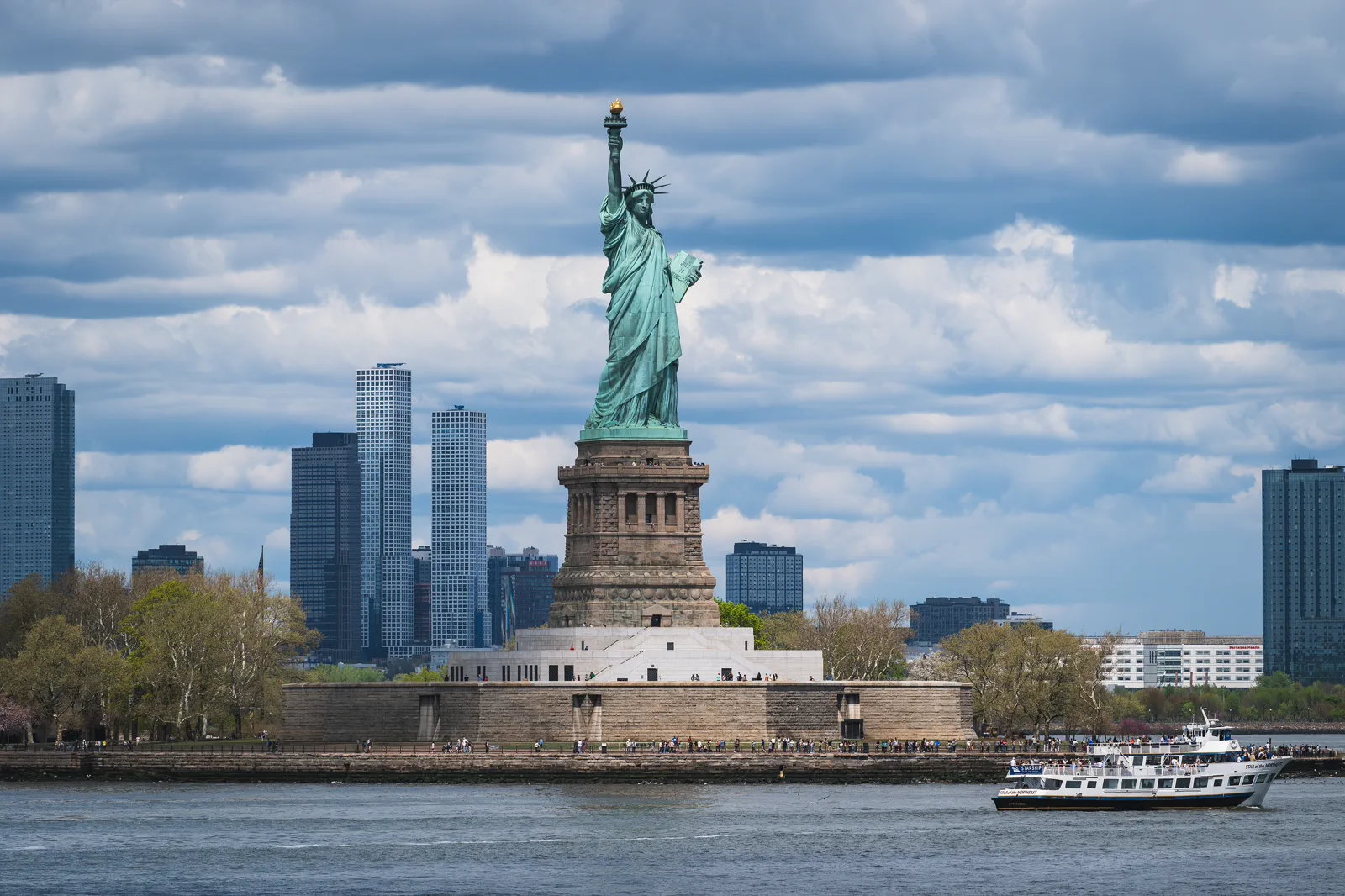
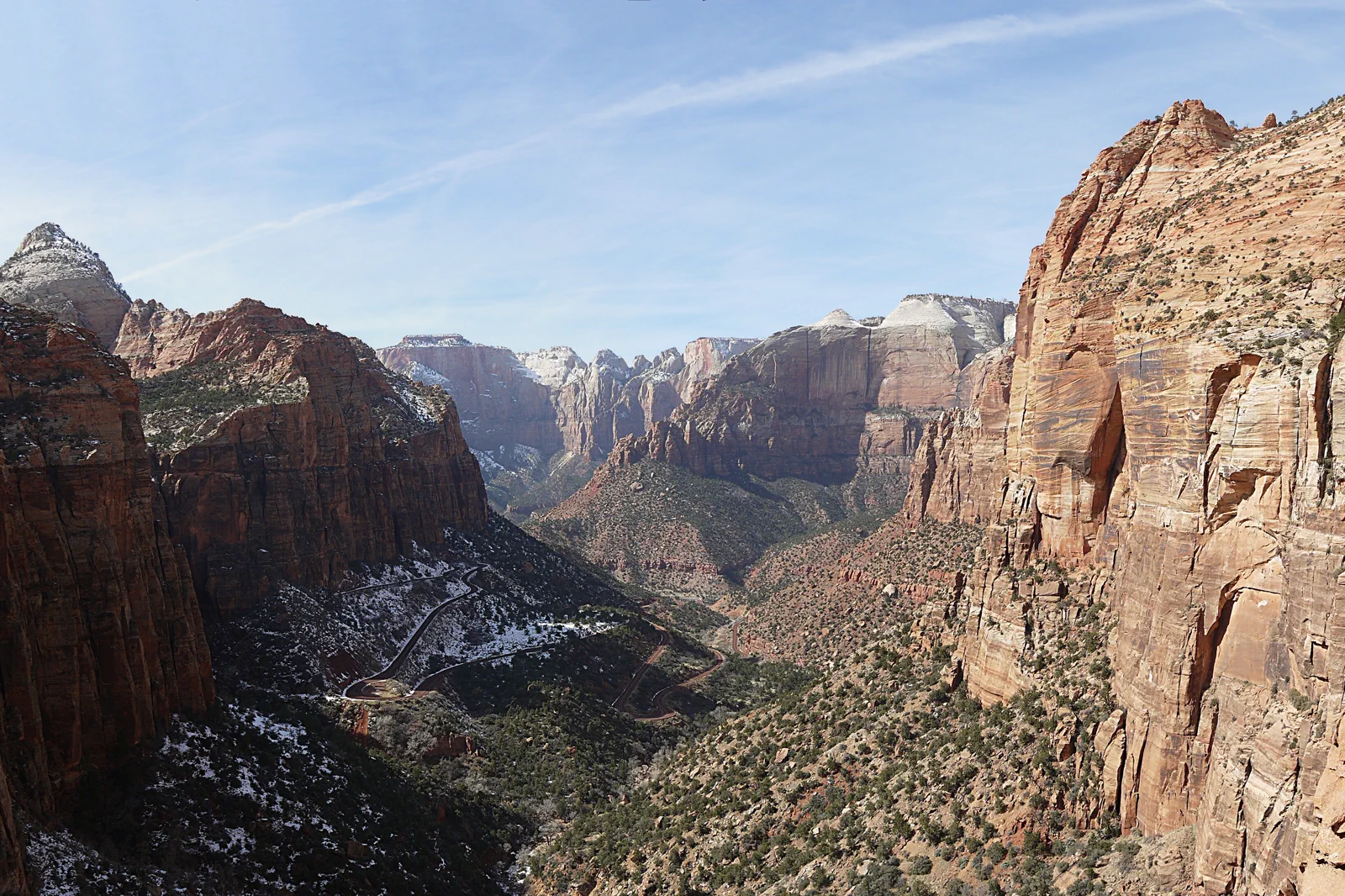
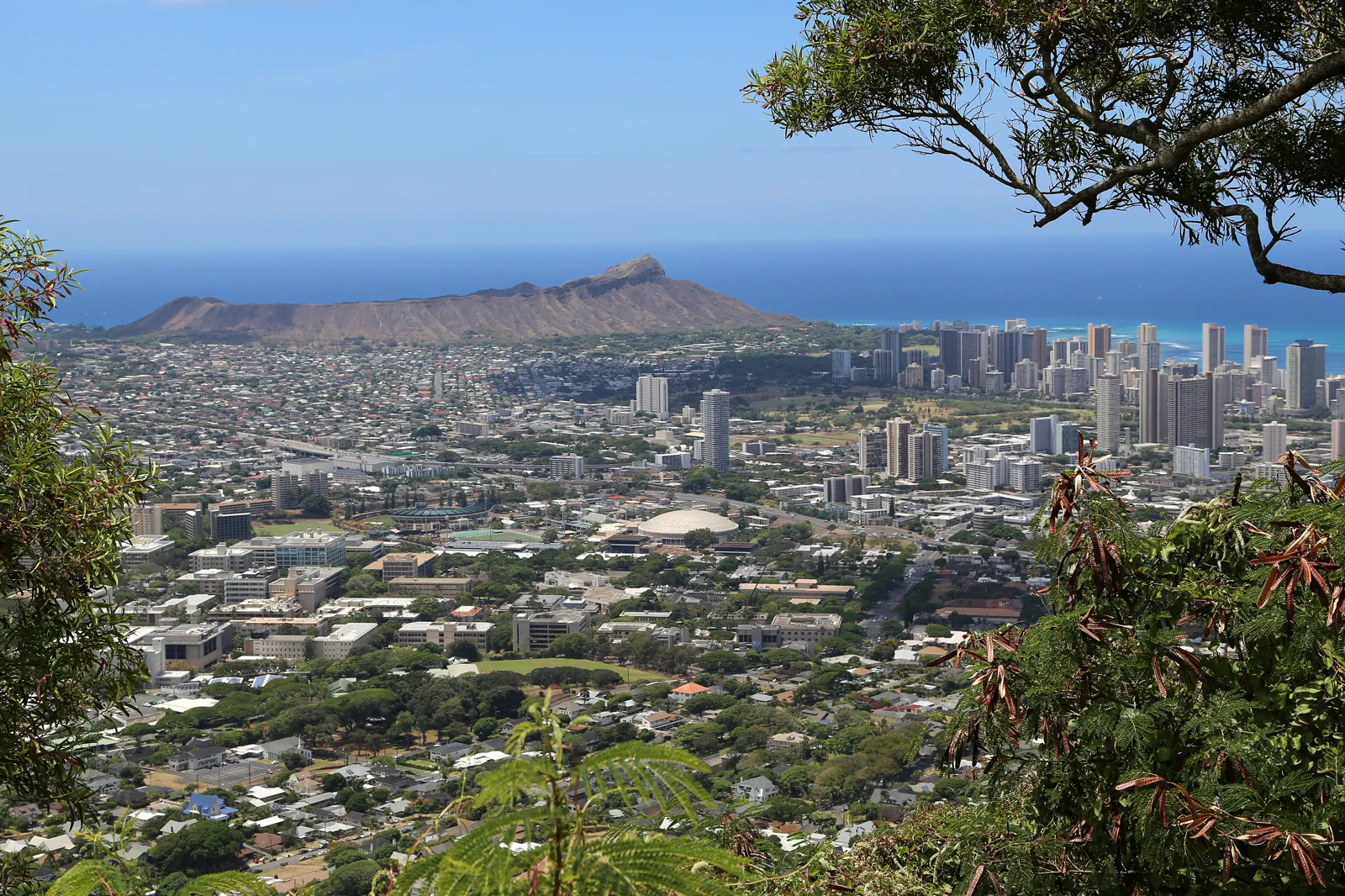
Three useful starting points—not three versions of the same trip
Amtrak: Northeast Regional routes and current booking
These are editorial starting points, not package tours or claims that every listed connection operates at the same frequency. Open the relevant regional guide before selecting the room. A train station, park entrance, boat terminal and airport each place the first and last part of the day differently.
If the main interest is art, history or food, give the actual institution or neighborhood enough time. If it is a landscape, make its road or boat journey part of the stay. Do not attach a distant national park merely to make an urban trip look more complete.
Count usable days before counting destinations
One week · One region, or two connected bases
Choose arrival and departure that leave several full days at the main place. A city with distinct local chapters can support a week without a long-distance transfer. If using two bases, write out the moving day before deciding how much sightseeing remains.
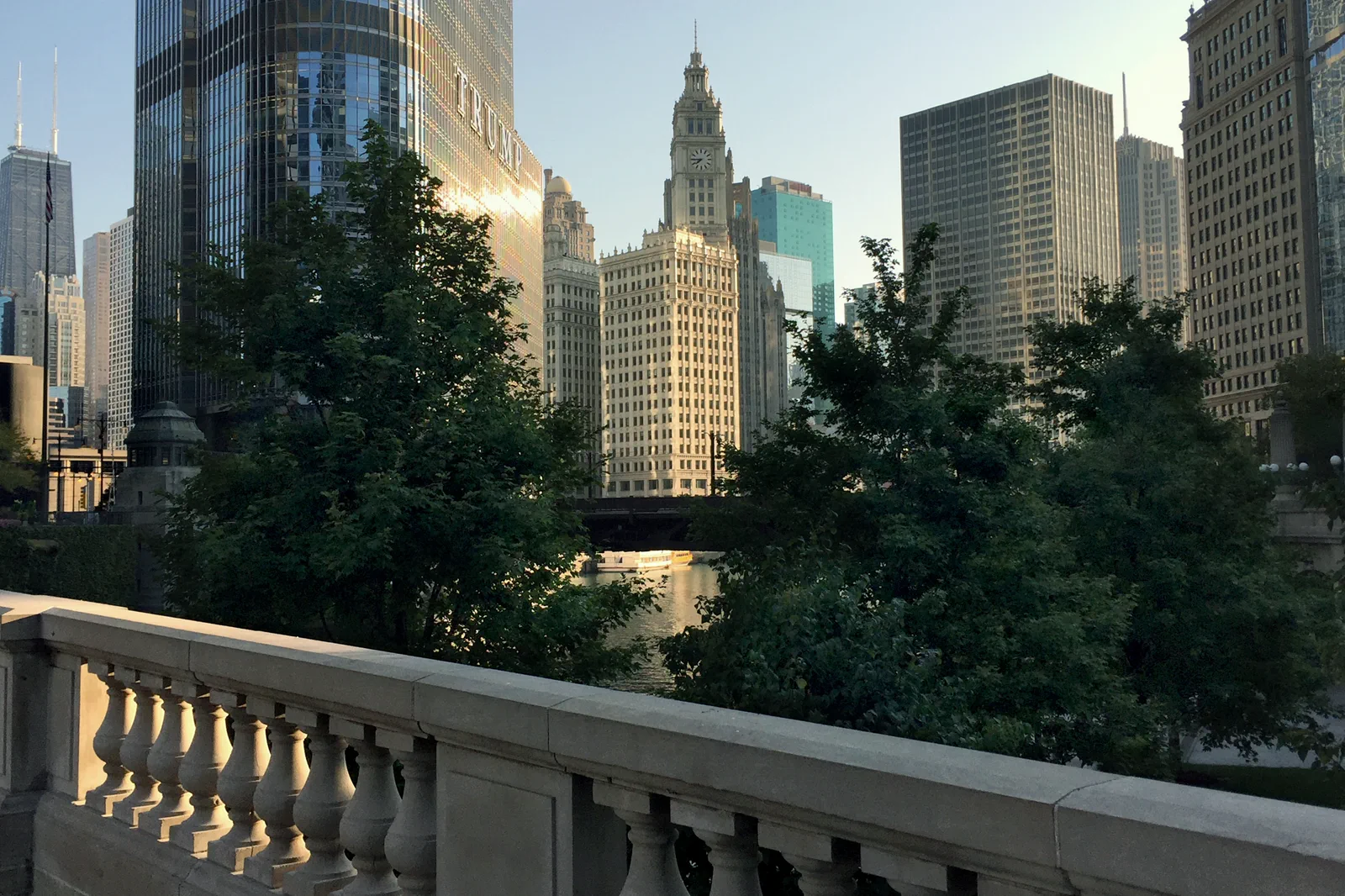
A Chicago stay can separate the river, museum and neighborhood days. An Orlando stay can distinguish theme parks, Winter Park and the Space Coast rather than treating all attractions as neighboring gates.
Two weeks · A coherent regional sequence
Choose two or three substantial bases with a deliberate connection between them. Spend the extra time on fuller visits and a less scheduled day, not only more travel. A flight to another part of the country may fit, but it should earn the airport and arrival time it consumes.
For a Southwest idea, compare Las Vegas with a selected Utah or Arizona portion. Do not assume every canyon, desert city and park can be joined without long drives or separate reservations.
The day counts are editorial suggestions, not minimum stays or a measured itinerary. Adapt the number of bases to the group’s interests and mobility. Arriving late, traveling with children or carrying substantial luggage can change what counts as a usable day.
Protect a return and a meal within each day. If the main visit takes longer, remove an optional stop instead of the time needed to reach the actual hotel or departure. A well-chosen omission usually improves the trip more than another hurried photograph.
Explore the region, then the local decision
The collection contains 24 city and regional starting points, each with three focused local chapters. It is a selective guide library, not an inventory of every state, town or attraction. Choose a hub for the overall stay and a child guide for the actual visit.
Northeast
New York City
Build New York around neighborhoods and subway lines. Downtown harbor history, Midtown institutions and Brooklyn waterfront walks deserve separate blocks of time; crossing the city repeatedly consumes the hours you hoped to spend inside museums.
Open guide →
Boston & Cambridge
Boston rewards walking in short historical sections, with Cambridge as a separate river crossing. Museums, university streets and harbor departures offer different kinds of days, and winter weather can make an otherwise compact route tiring.
Open guide →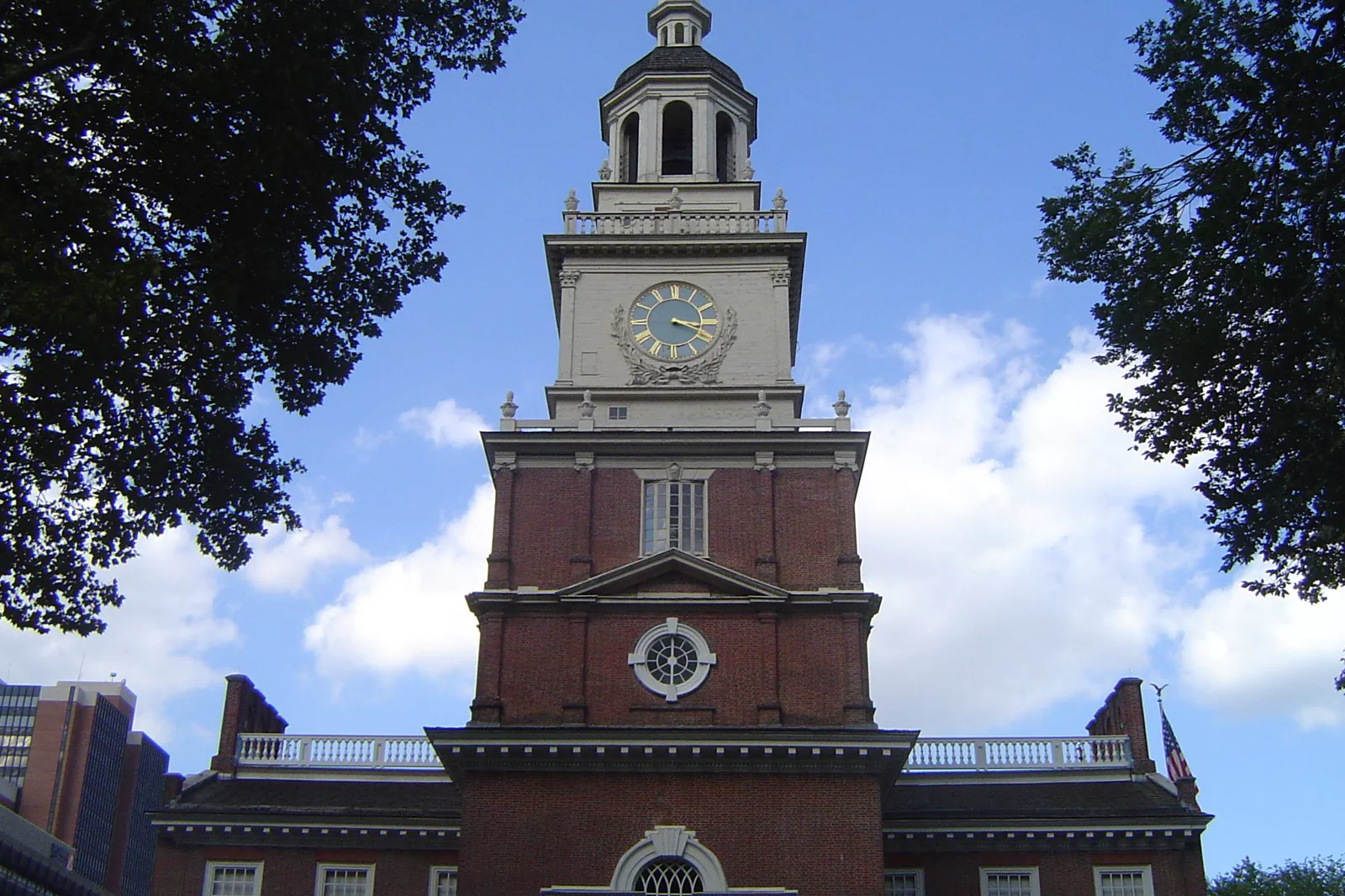
Philadelphia
Philadelphia combines the independence sites with strong museum and neighborhood days. Keep Old City, the parkway and food-market visits distinct so the trip includes more than a photograph of the Liberty Bell.
Open guide →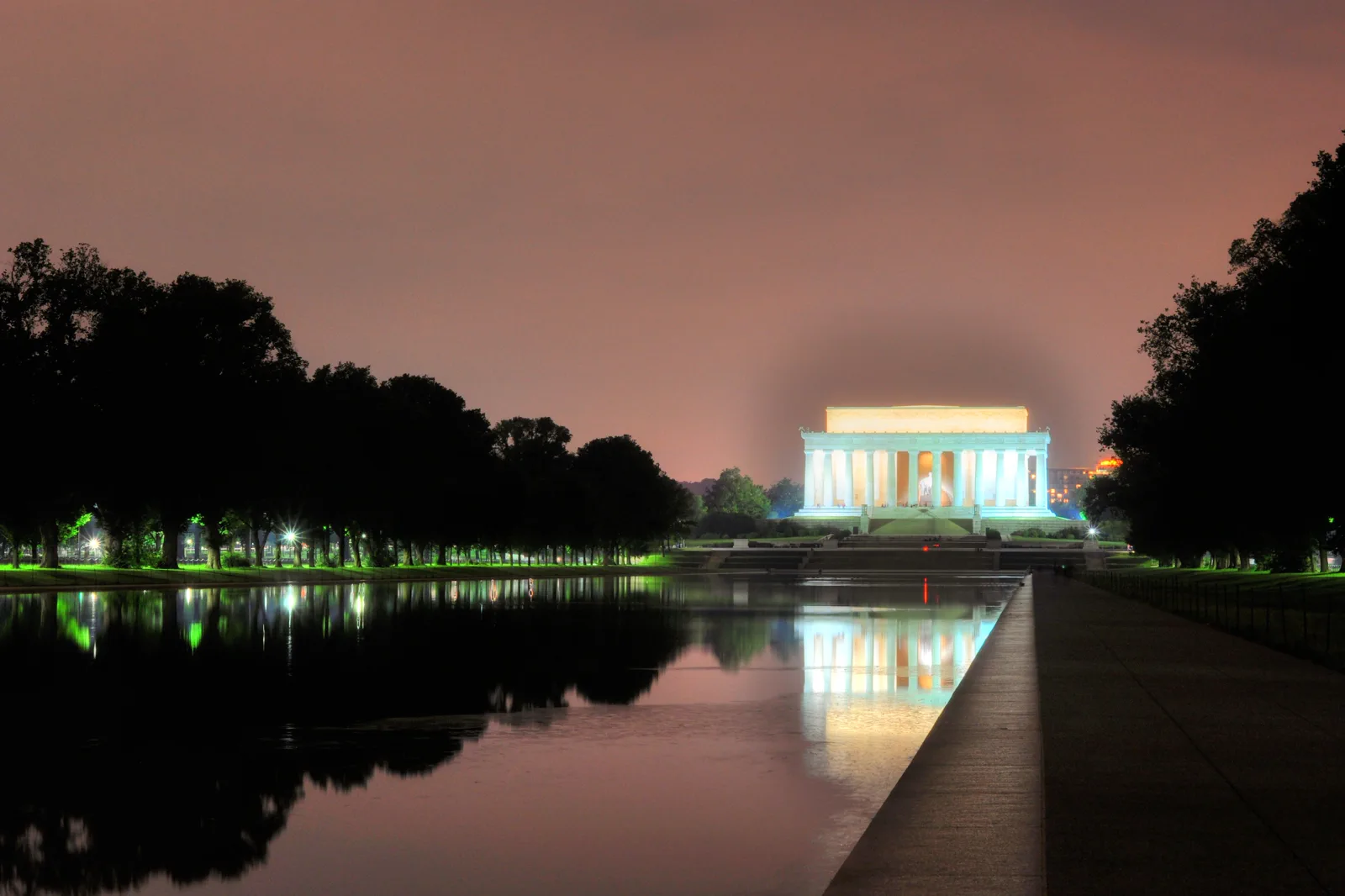
Washington, DC
Washington is a city of substantial institutions, long open spaces and neighborhoods beyond the National Mall. A museum day, a memorial walk and a Georgetown outing work better as separate plans than as one exhaustive circuit.
Open guide →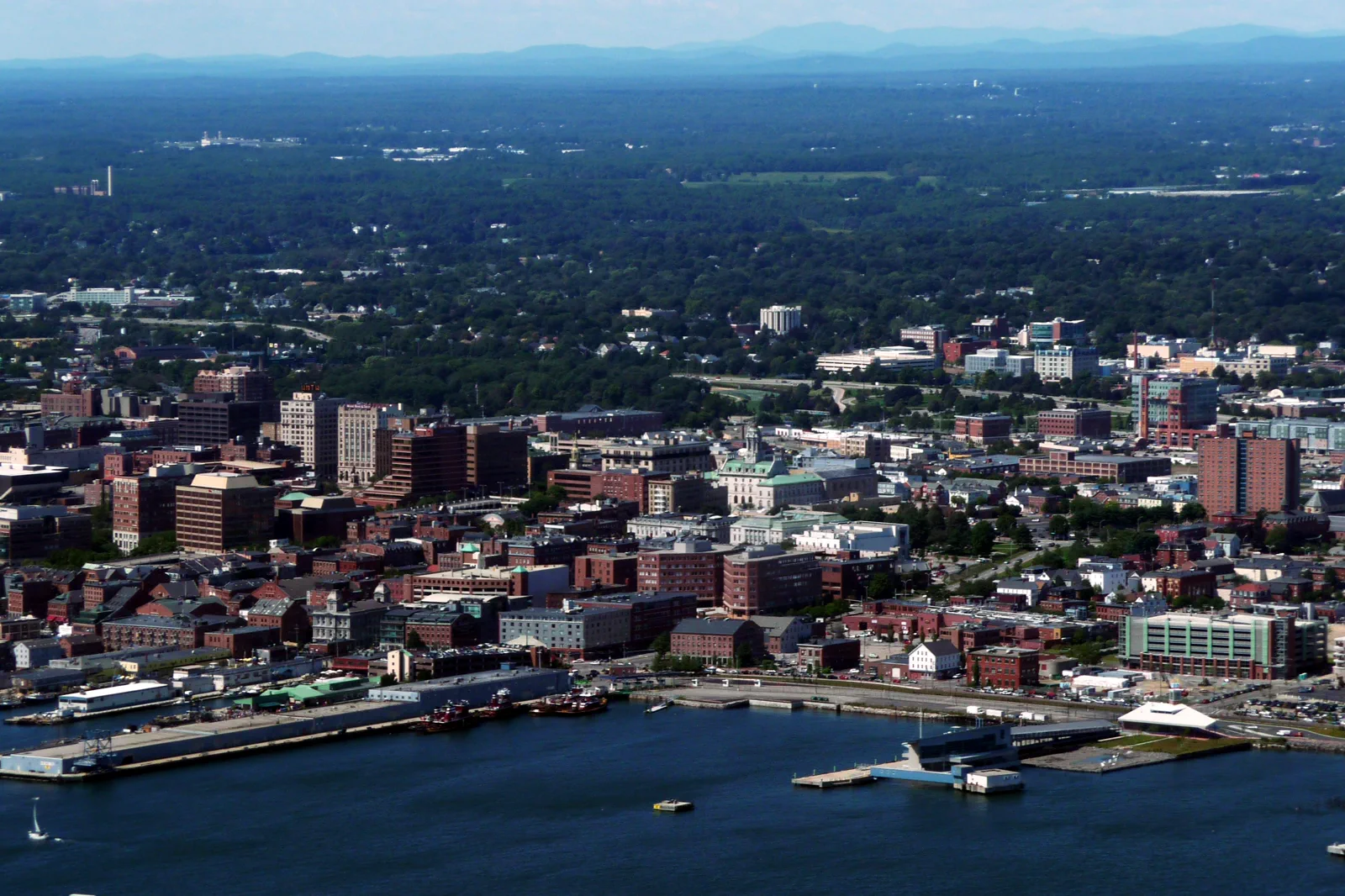
New England Coast & Mountains
Beyond Boston, New England changes from harbor towns to mountain roads and protected coast. Maine, the White Mountains and Vermont need different overnight bases; fall color is weather-dependent and should not be treated as a fixed-date event.
Open guide →Great Lakes
Pacific Northwest
Seattle & Puget Sound
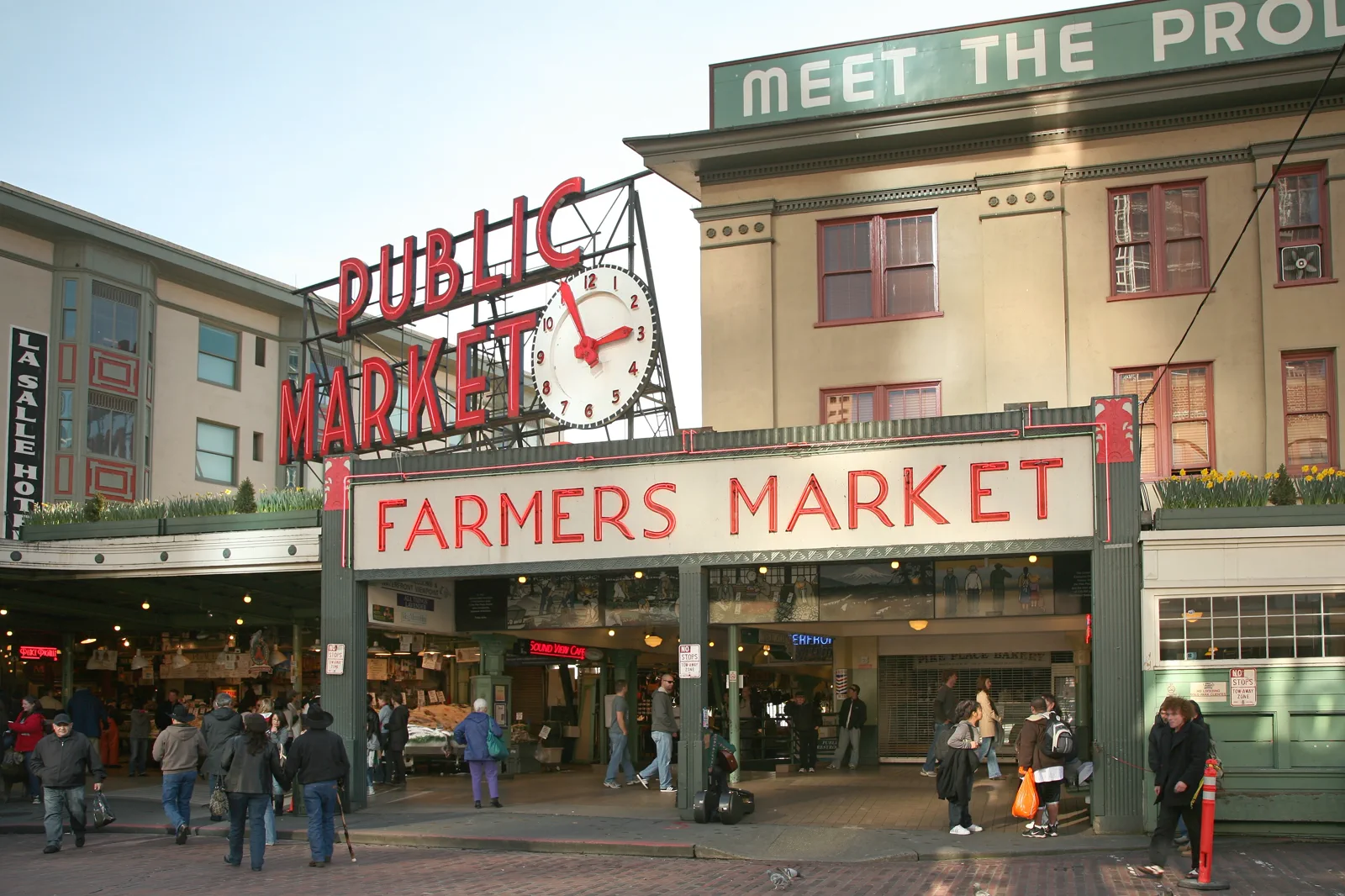
Seattle mixes hills, markets, ferries and mountain weather. The waterfront is a good urban starting point; a Rainier day or an island crossing should have its own forecast and transport plan.
Open guide →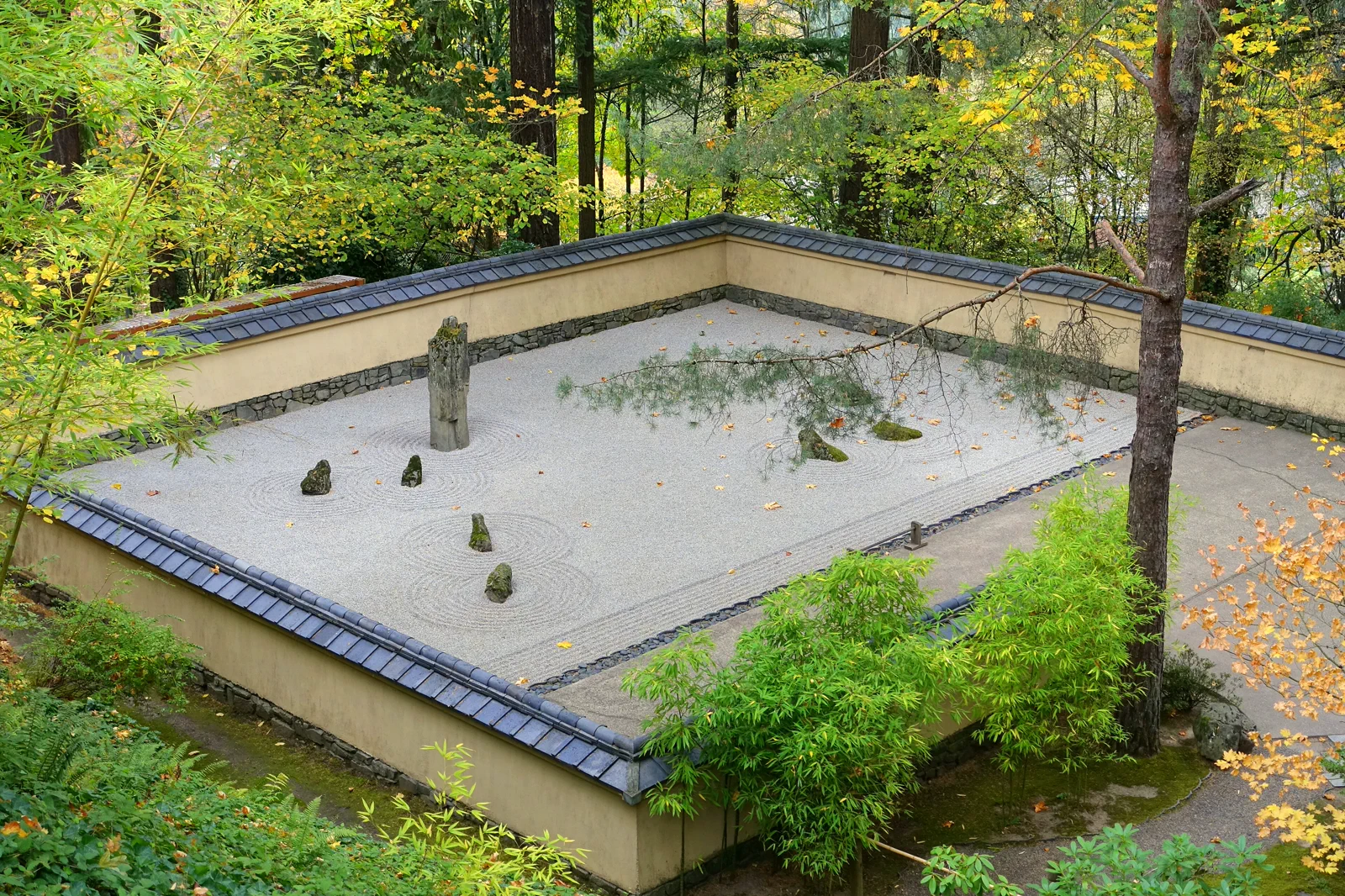
Portland & the Columbia Gorge
Portland city culture, the Columbia Gorge and the Oregon Coast are three different days. Rain, road conditions and popular trailhead access determine how far a scenic outing should extend.
Open guide →California
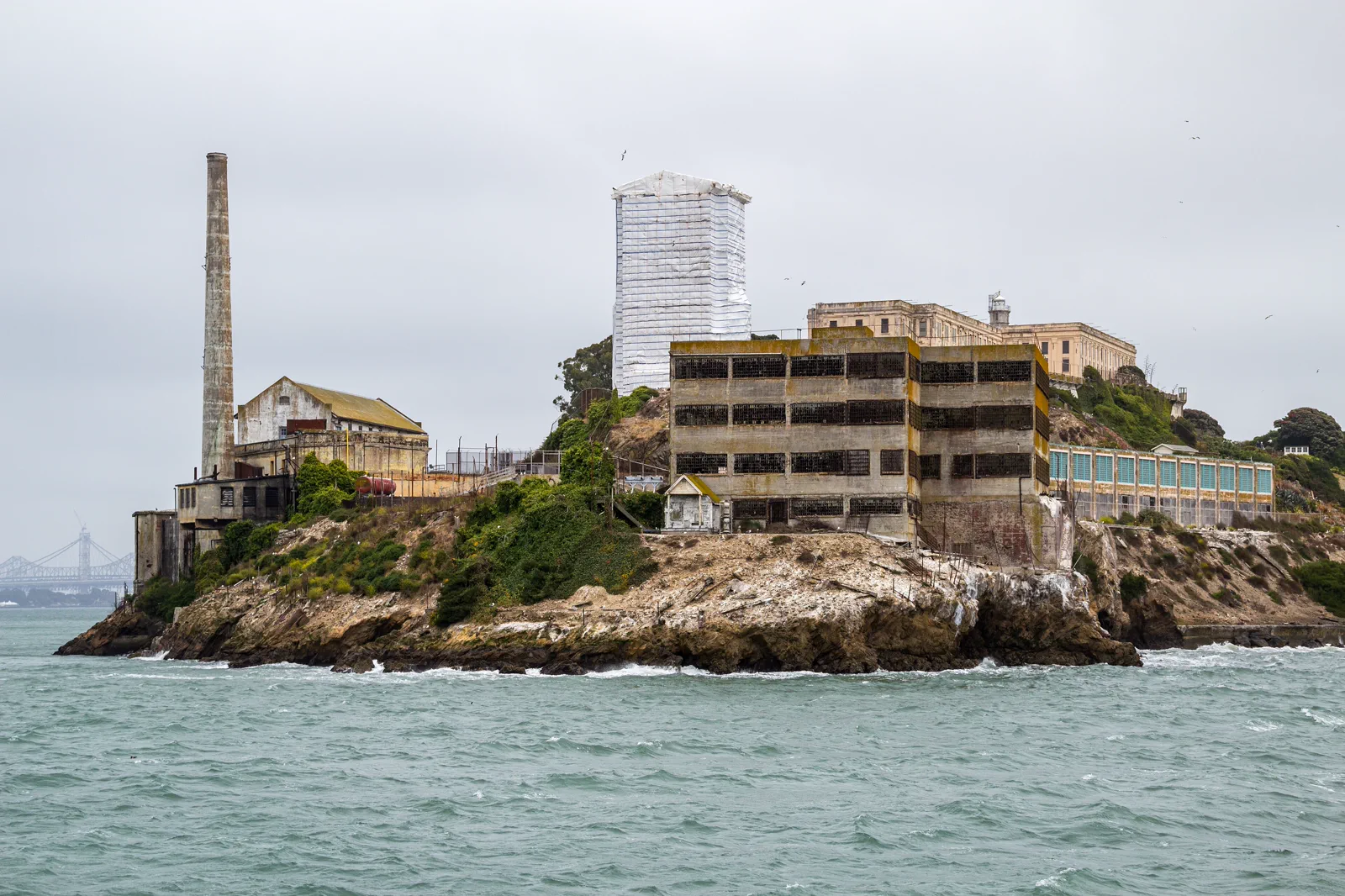
San Francisco & the Bay
San Francisco combines steep streets, distinct neighborhoods and bay crossings. A waterfront day, Golden Gate landscapes and a neighborhood day are easier to enjoy than repeated drives through the city.
Open guide →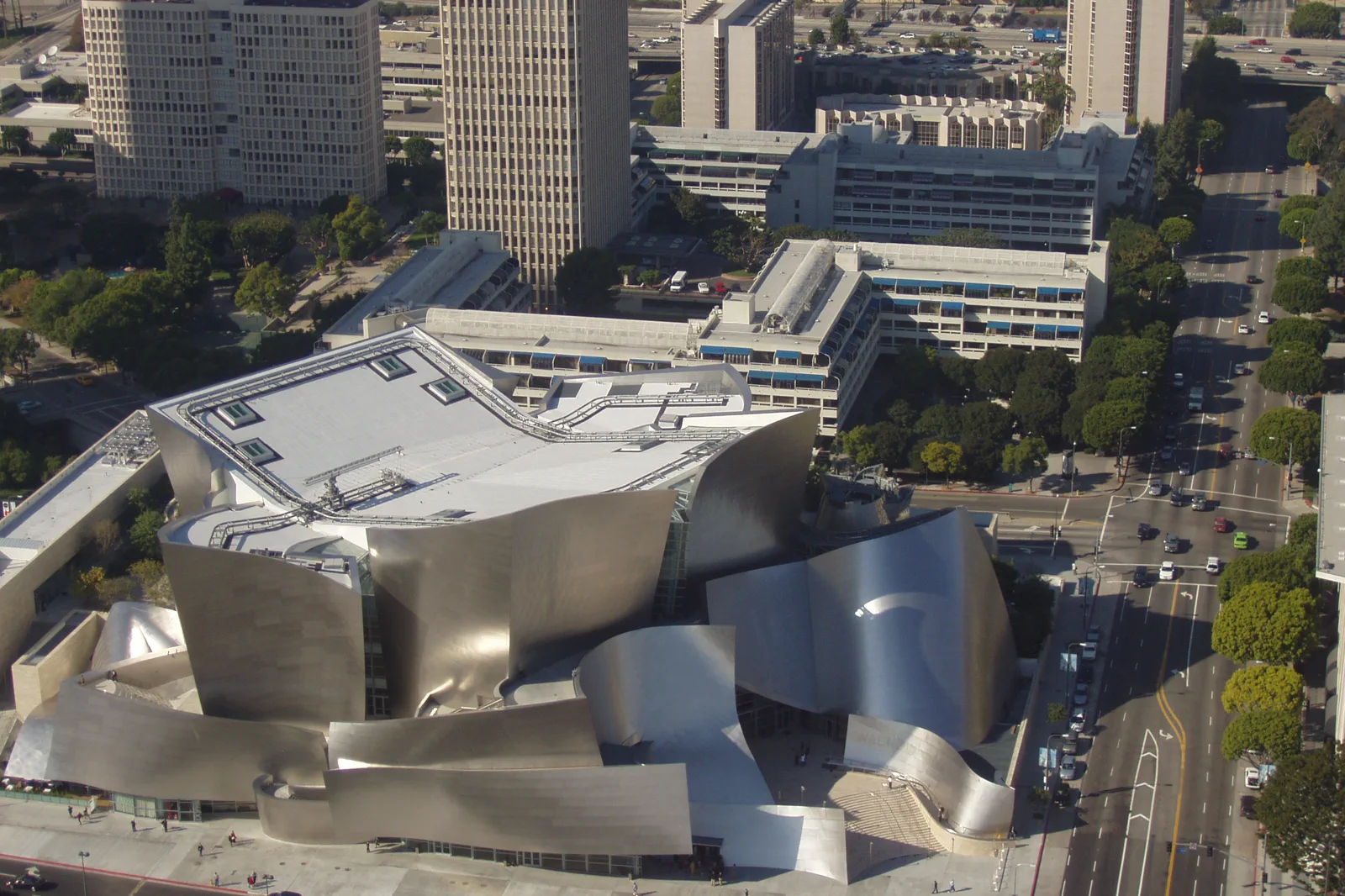
Los Angeles
Los Angeles is a collection of districts connected by real travel time. Downtown, Hollywood and the coast work best as separate days, with a hotel base chosen for the first part of the itinerary.
Open guide →
San Diego
San Diego mixes cultural institutions, coastal habitats and harbor history. Balboa Park, La Jolla and the bay each support a full day without driving repeatedly across the county.
Open guide →Western Parks
Southwest
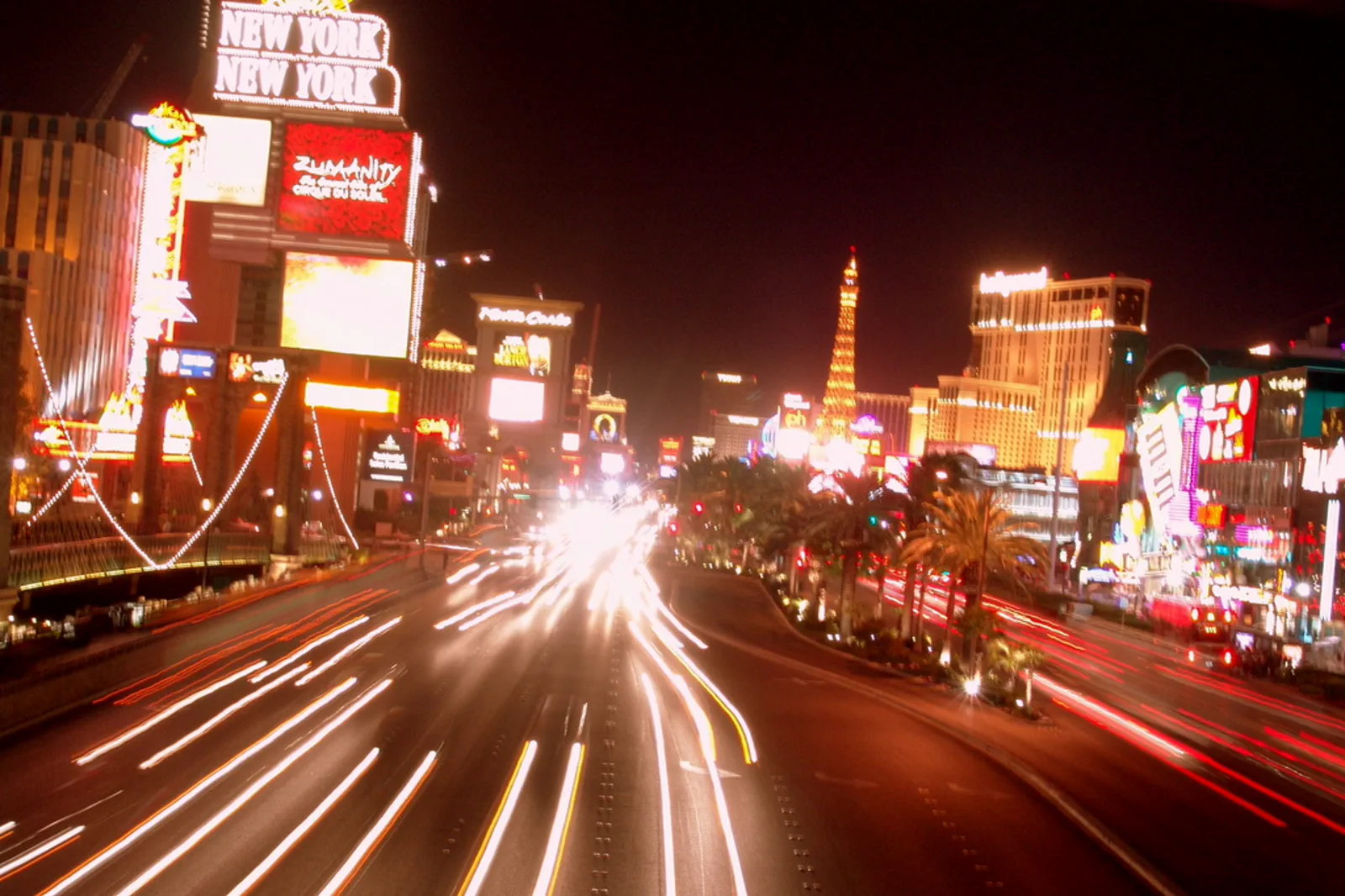
Las Vegas & Southern Nevada
Las Vegas has large indoor venues and long outdoor distances. The Strip, downtown and desert parks need different plans; air-conditioned interiors do not remove the heat risk between them.
Open guide →Utah Canyon Country
Utah’s parks are separate landscapes with long transfers between them. Zion, Bryce and the Moab area reward different bases, and a short trip should choose fewer parks rather than spend every daylight hour driving.
Open guide →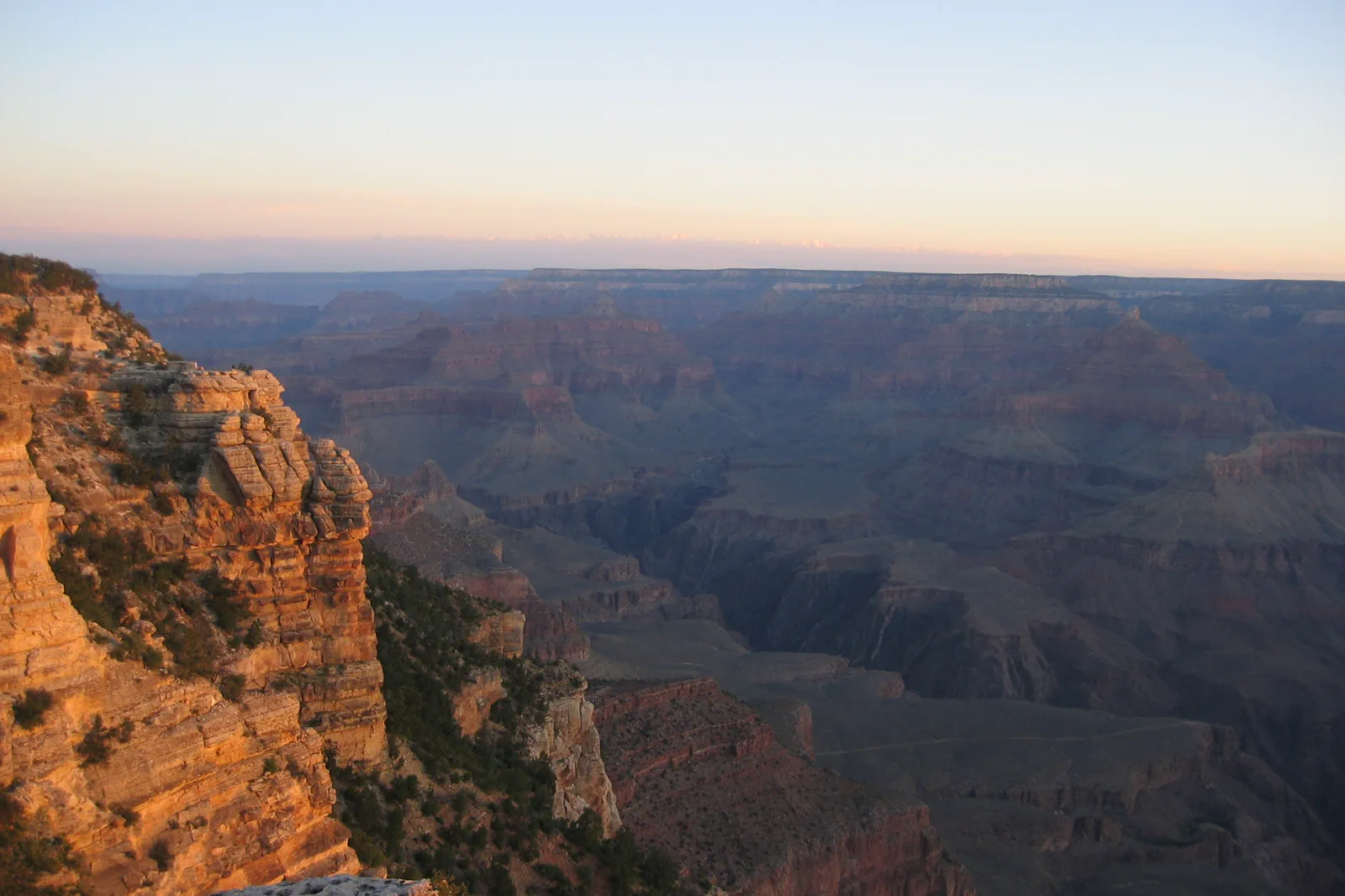
Arizona & the Grand Canyon
Arizona combines major elevation changes, desert cities and sovereign Tribal lands. Grand Canyon views, Sedona trails and Phoenix culture belong to separate days with season-specific driving and walking plans.
Open guide →Mountain West
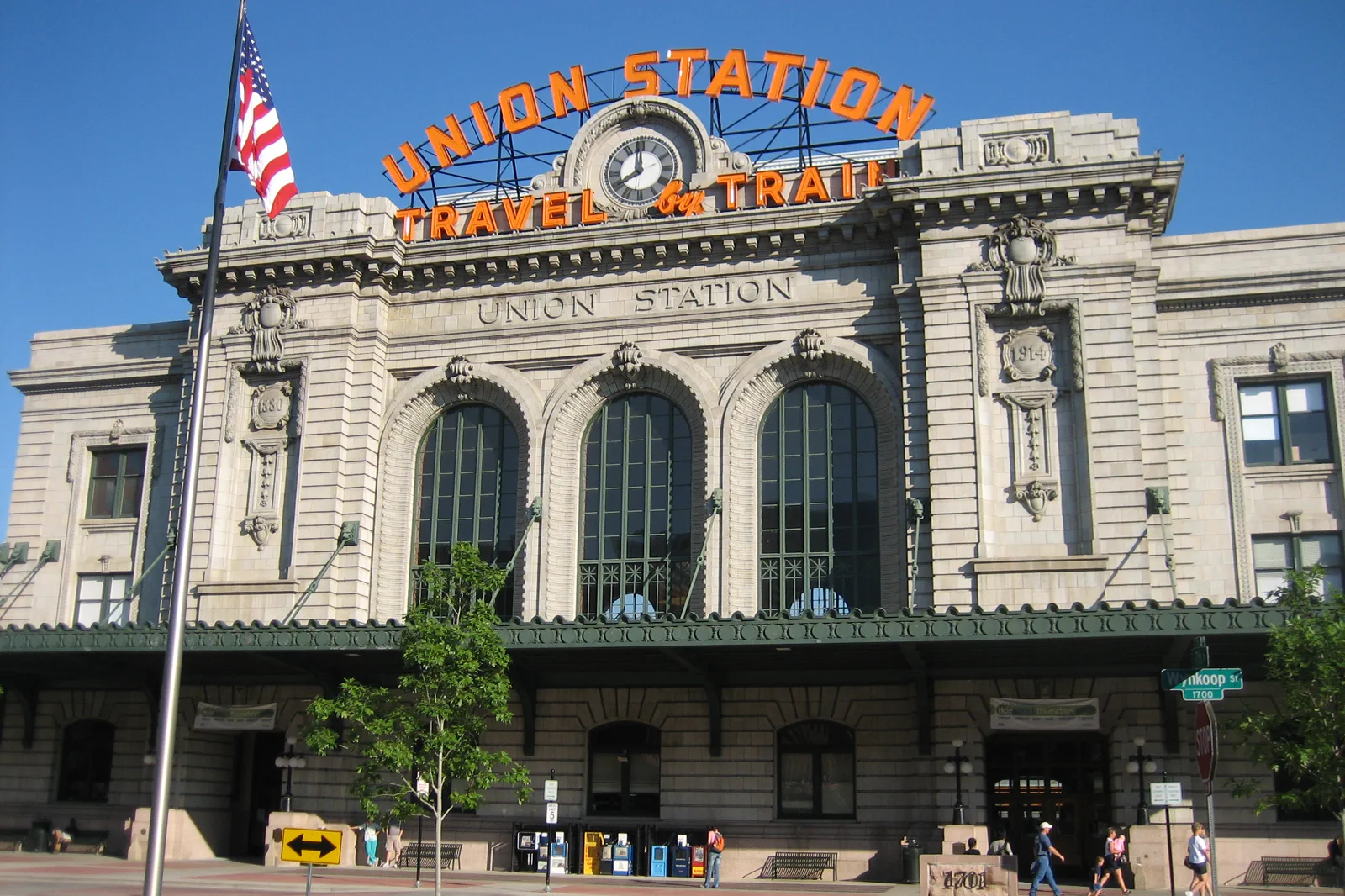
Denver & the Colorado Rockies
Denver provides a city base, while mountain parks and ski towns operate by elevation and season. Build in time to adjust and avoid treating a high-altitude drive as an easy city excursion.
Open guide →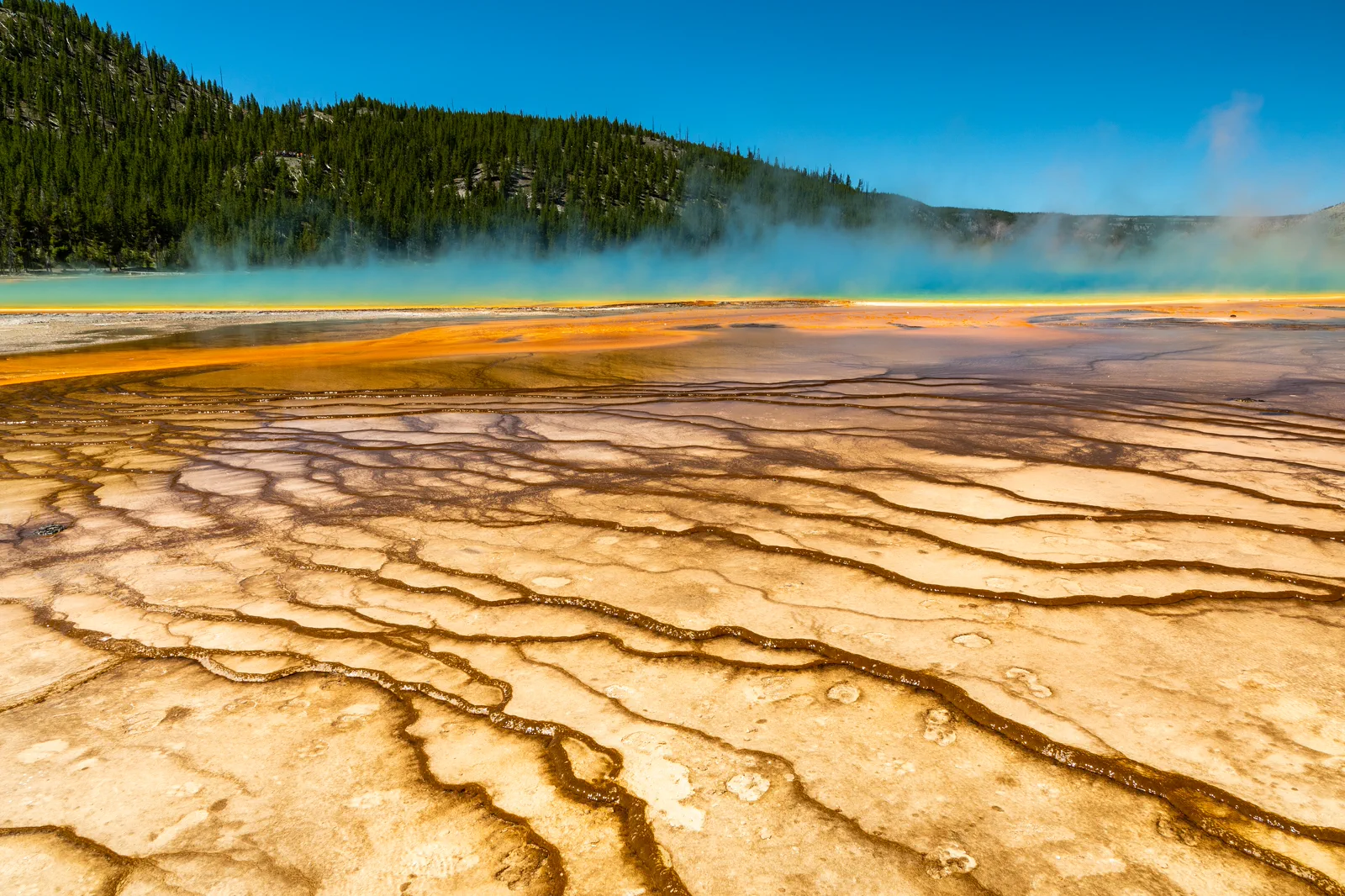
Yellowstone & Grand Teton
Yellowstone and Grand Teton combine long park roads with geothermal landscapes and wildlife. Entrance selection and overnight bases matter; a single day cannot do justice to both parks.
Open guide →South
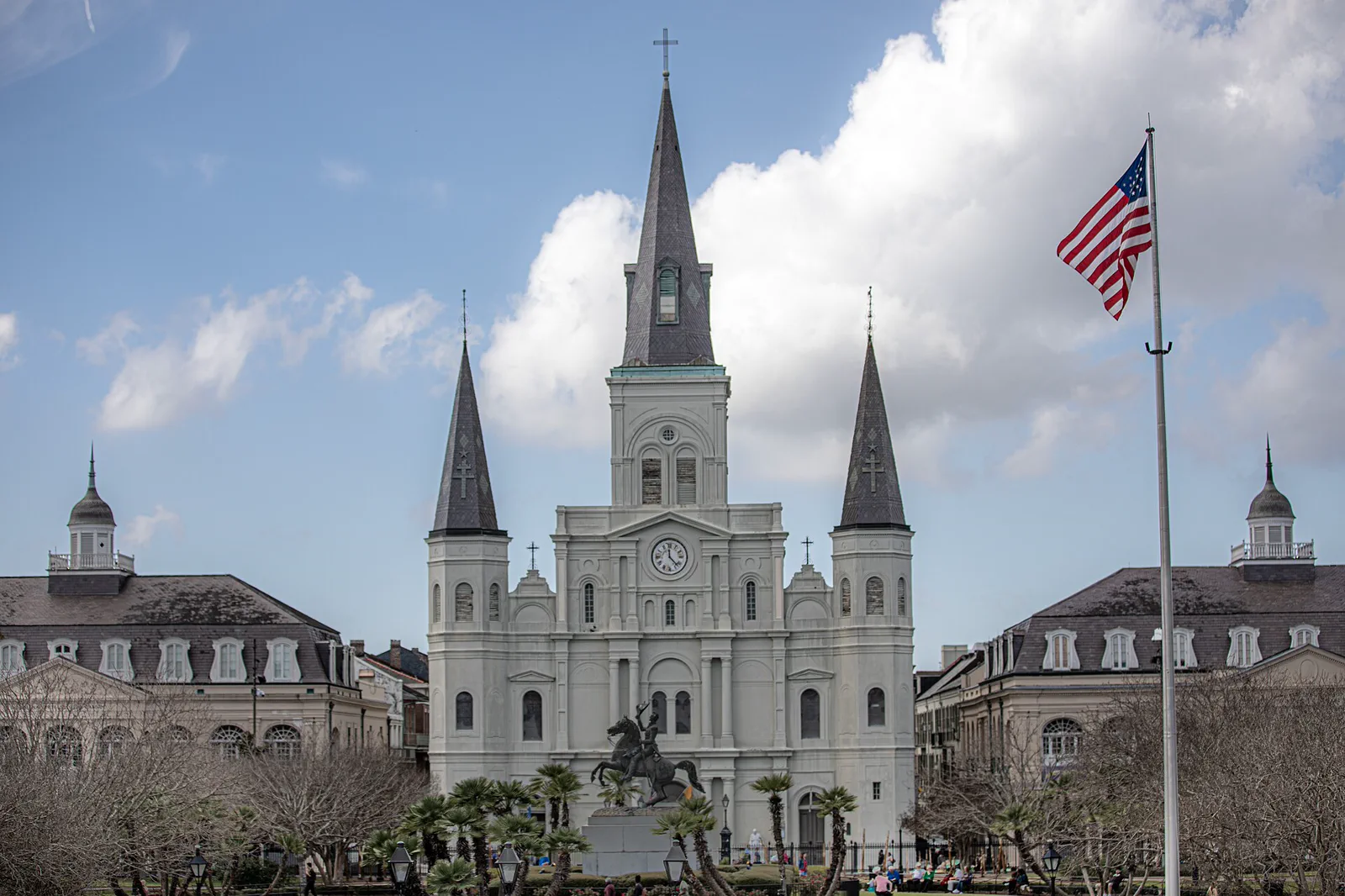
New Orleans
New Orleans deserves time for music, food and the history behind its neighborhoods. The French Quarter, Garden District and river landscape provide different days, with heat and storms shaping the pace.
Open guide →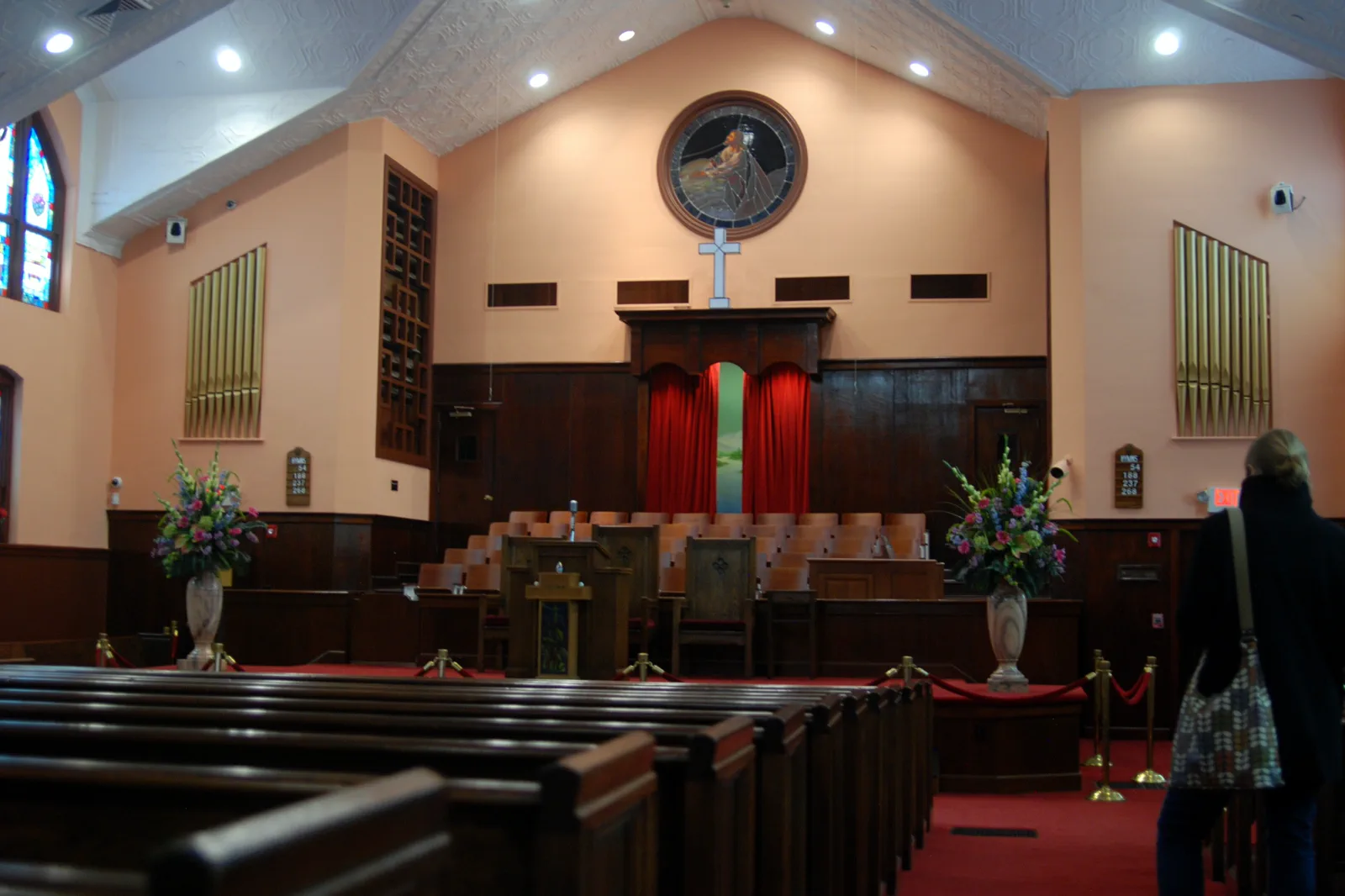
Atlanta
Atlanta’s civil-rights history, cultural institutions and neighborhood trails deserve separate attention. Distances and traffic reward grouping visits by district and using MARTA where it serves the plan.
Open guide →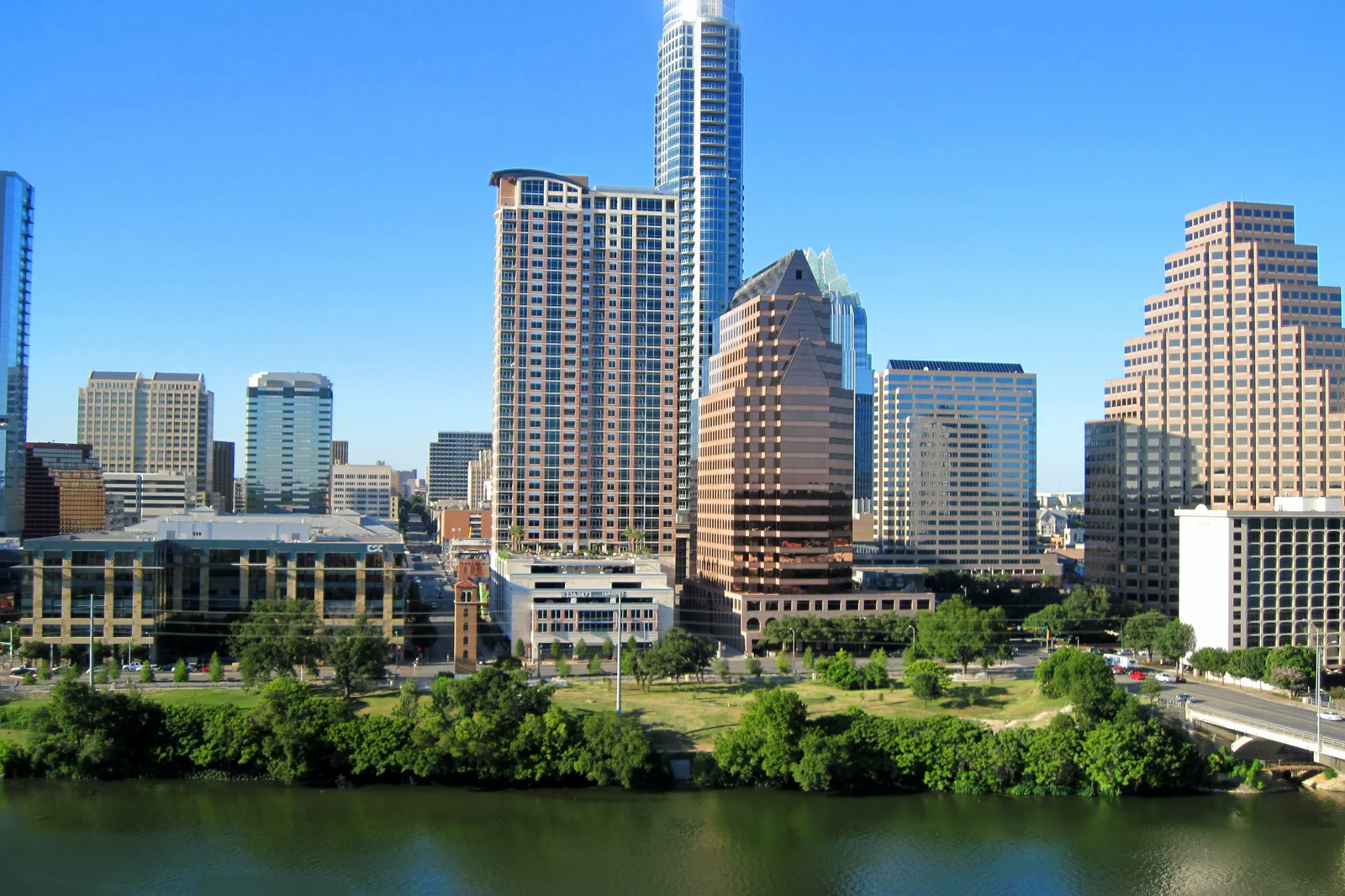
Texas Cities
Texas city visits involve real intercity distances. Austin, San Antonio and Houston each support their own stay; choose a limited combination and account for heat, traffic and the exact location of major attractions.
Open guide →Florida
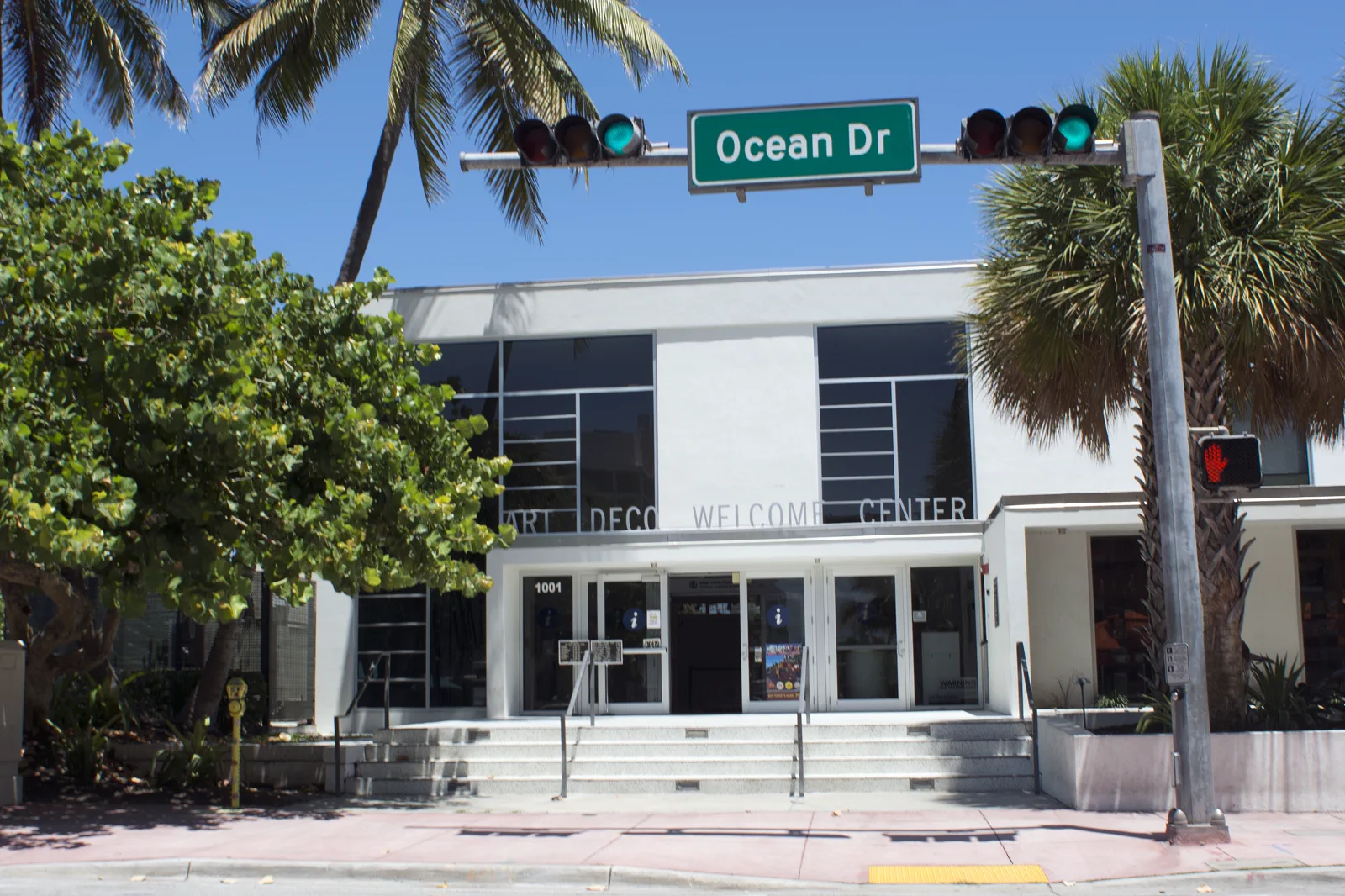
Miami & South Florida
Miami’s beach, urban art districts and nearby wetlands are distinct visits. Choose a base by the first days of the trip, and keep a car-based Everglades outing separate from a beach evening.
Open guide →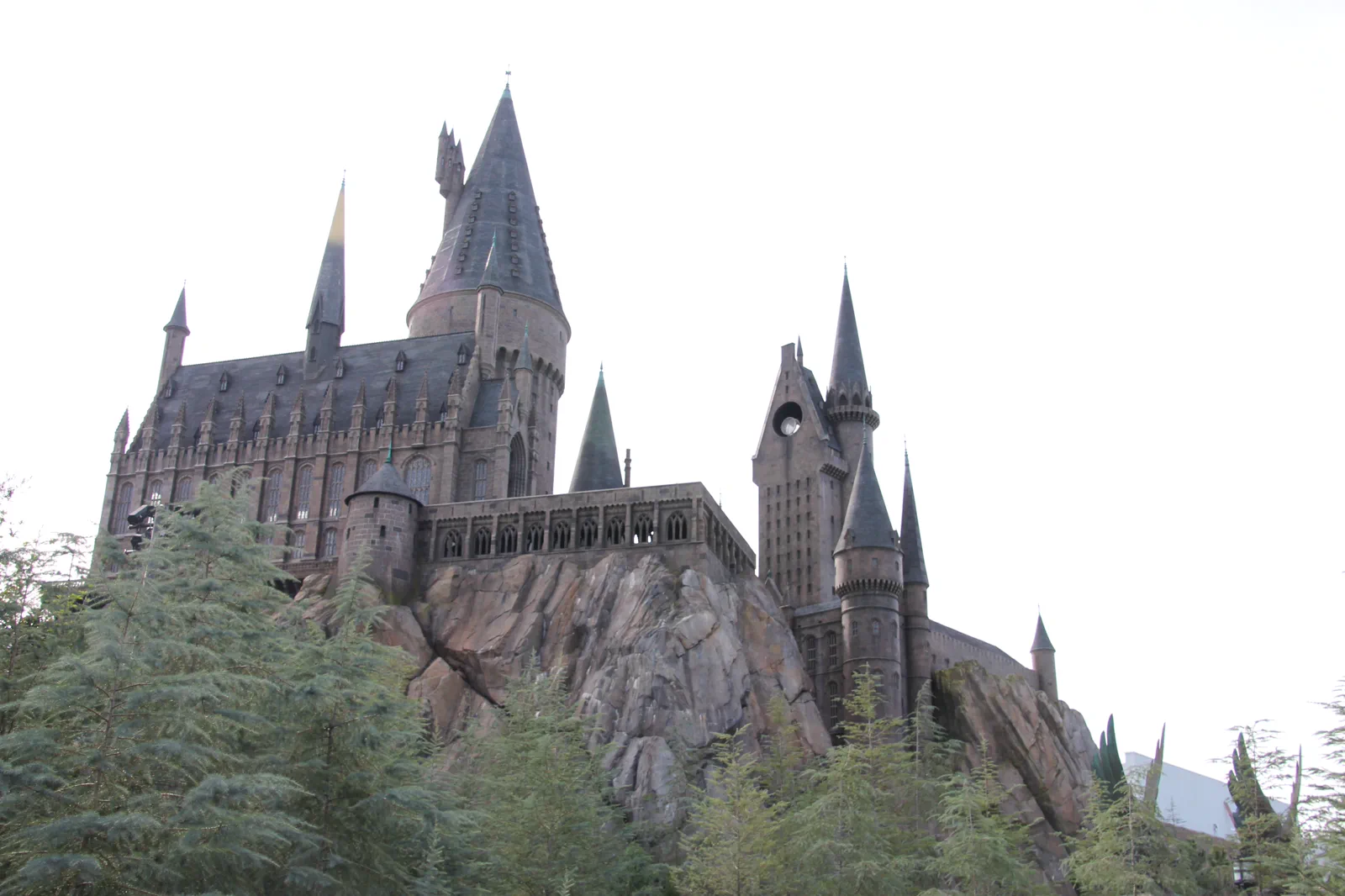
Orlando & Central Florida
Orlando needs careful separation of resort days, city visits and the Space Coast. Theme-park ticket systems, long walks and summer storms can dominate the trip if there are no rest days.
Open guide →Alaska
Pacific Islands
Reserve the limiting component, then compare the complete price
Choose the specific experience
An island landing is different from a sightseeing cruise; a national-park entrance is different from a reserved activity; a theme-park ticket is different from an express-queue product. Use the local guide to identify what the booking actually provides before comparing prices.
Confirm access and the full connection
Check the actual entry date, meeting point, seasonal operation and return. A room near a park may still require a significant drive. A hotel shuttle may have its own route and operating hours. Do not book the next component around a connection that has not been established.
Compare the final payable amount
Include applicable taxes, hotel charges, parking, rental return arrangements and optional activity costs shown by the actual provider. A low room rate or short flight price is not the total trip cost. Choose fewer well-used bookings instead of a bundle whose extras do not fit the stay.
Read change and cancellation terms
Distinguish a weather cancellation from a personal change of plan and read the provider’s actual conditions. Keep the flexible parts of the itinerary around the fixed ones, rather than assuming that every ticket can be moved after a delay.
For national parks, use the current NPS pass and fee information for the traveler’s eligibility and the specific park. An entrance pass is not a blanket reservation for a campsite, timed entry or an operator’s tour. Do not reuse an old pass-price comparison without checking the current terms.
National Park Service: current passes, eligibility and fee conditions
Choose a regional season and a workable alternative
National Weather Service: weather-hazard information
Use the forecast and alerts for the actual location, including the height or coastline involved. The country does not have one universally best month. A Southwest desert day, a Colorado mountain visit and a Florida coast stay need different checks even when their calendar dates match.
A useful alternative stays within the group’s preparation and the available access. Shorten the route or choose a named local experience; do not turn a closed road into an unplanned remote hike. The regional pages provide the distinctions needed to make that choice.
Before the first arrival
Check official U.S. entry guidance for the traveler’s passport, purpose and circumstances before making non-refundable commitments. An approved ESTA is not a visa and does not guarantee admission. Use the current government instructions rather than a general travel-page nationality list.
U.S. Department of State: Visa Waiver Program and entry conditions
Save the accommodation address, confirmed transport and essential bookings so they remain usable without a live connection. Distinguish the airport’s ground-transport location from the terminal exit, and use the actual airline and operator instructions for the arrival and return.
Ask the relevant venue about the precise access needed by the group. A general accessible label does not establish that every trail, historic interior, boat or temporary entrance will work. Plan how to obtain appropriate assistance without treating a guide page as personal medical or legal advice.
Tribal lands, Hawaiian cultural places, memorials and residential neighborhoods are not interchangeable public sightseeing spaces. Follow the relevant community or institution’s access and photography guidance. A public road or viewpoint does not grant access to the adjoining property.
Questions that change the trip
Does a two-week visit need both coasts?
No. A regional trip with fuller days is a valid first visit. Add a cross-country flight only when the second place matters enough to justify the entire transfer.
Should I rent a car for the whole stay?
Choose by the actual route. Central urban portions may work with transit and walking, while a park or dispersed regional portion needs a vehicle or confirmed operator. Collection, return and parking are part of the comparison.
Is every American destination covered here?
No. These 24 regional hubs and 72 local chapters are a selective starting library. Each guide is intended to resolve a particular stay or visit, not to stand in for every destination in its state.
References, review and image credits
Source information checked on 11 September 2026. Trip shapes, comparisons and suggested pacing are TripDistill editorial judgments, not official tour itineraries.
- Amtrak: Northeast Regional
- U.S. Department of State: entry guidance
- NPS: current passes and fee conditions
- National Weather Service: hazard guidance
- Lower Manhattan & the Harbor — Christian David, CC BY-SA 4.0. Resized, display-cropped and converted to WebP; no other material edits.
- Freedom Trail & North End — Stefan Schulze ( Audience ), CC BY-SA 3.0. Resized, display-cropped and converted to WebP; no other material edits.
- Old City & Independence Park — Ronen Perry, CC BY 3.0. Resized, display-cropped and converted to WebP; no other material edits.
- National Mall & Memorials — miketnorton, CC BY 2.0. Resized, display-cropped and converted to WebP; no other material edits.
- Portland, Maine & Casco Bay — Alex Boykov, CC BY-SA 3.0. Resized, display-cropped and converted to WebP; no other material edits.
- The Loop & Chicago Riverwalk — Ryan Dickey from Evanston, IL / Chicago, United States, CC BY 2.0. Resized, display-cropped and converted to WebP; no other material edits.
- Pike Place & Seattle Waterfront — Daniel Schwen, CC BY-SA 4.0. Resized, display-cropped and converted to WebP; no other material edits.
- Washington Park & Portland Gardens — Daderot, CC0. Resized, display-cropped and converted to WebP; no other material edits.
- Embarcadero & Alcatraz — Dietmar Rabich, CC BY-SA 4.0. Resized, display-cropped and converted to WebP; no other material edits.
- Downtown LA & the Arts District — Chris McClave from Connecticut, United States, CC BY 2.0. Resized, display-cropped and converted to WebP; no other material edits.
- Balboa Park — Christian David, CC BY-SA 4.0. Resized, display-cropped and converted to WebP; no other material edits.
- Yosemite Valley — chensiyuan, CC BY-SA 4.0. Resized, display-cropped and converted to WebP; no other material edits.
- The Strip & Shows — Anahon, CC BY 3.0. Resized, display-cropped and converted to WebP; no other material edits.
- Zion Canyon — Óðinn, CC BY-SA 2.5 ca. Resized, display-cropped and converted to WebP; no other material edits.
- Grand Canyon South Rim — “Jon Zander ( Digon3 )”, CC BY-SA 3.0. Resized, display-cropped and converted to WebP; no other material edits.
- Denver Union Station & Museums — Darkshark0159 at English Wikipedia, Public domain. Resized, display-cropped and converted to WebP; no other material edits.
- Yellowstone Geyser Basins — Dietmar Rabich, CC BY-SA 4.0. Resized, display-cropped and converted to WebP; no other material edits.
- French Quarter & Live Music — Mussi Katz, CC0. Resized, display-cropped and converted to WebP; no other material edits.
- Martin Luther King, Jr. Historic District — olekinderhook, CC BY 3.0. Resized, display-cropped and converted to WebP; no other material edits.
- Austin & Lady Bird Lake — Stuart Seeger, CC BY 2.0. Resized, display-cropped and converted to WebP; no other material edits.
- South Beach & Art Deco — Don Ramey Logan, CC BY 4.0. Resized, display-cropped and converted to WebP; no other material edits.
- Orlando Theme-Park Planning — Loadmaster (David R. Tribble) This image was made by Loadmaster (David R. Tribble) . Email the author: David R. Tribble Also see my personal gallery at Google Photos, CC BY-SA 3.0. Resized, display-cropped and converted to WebP; no other material edits.
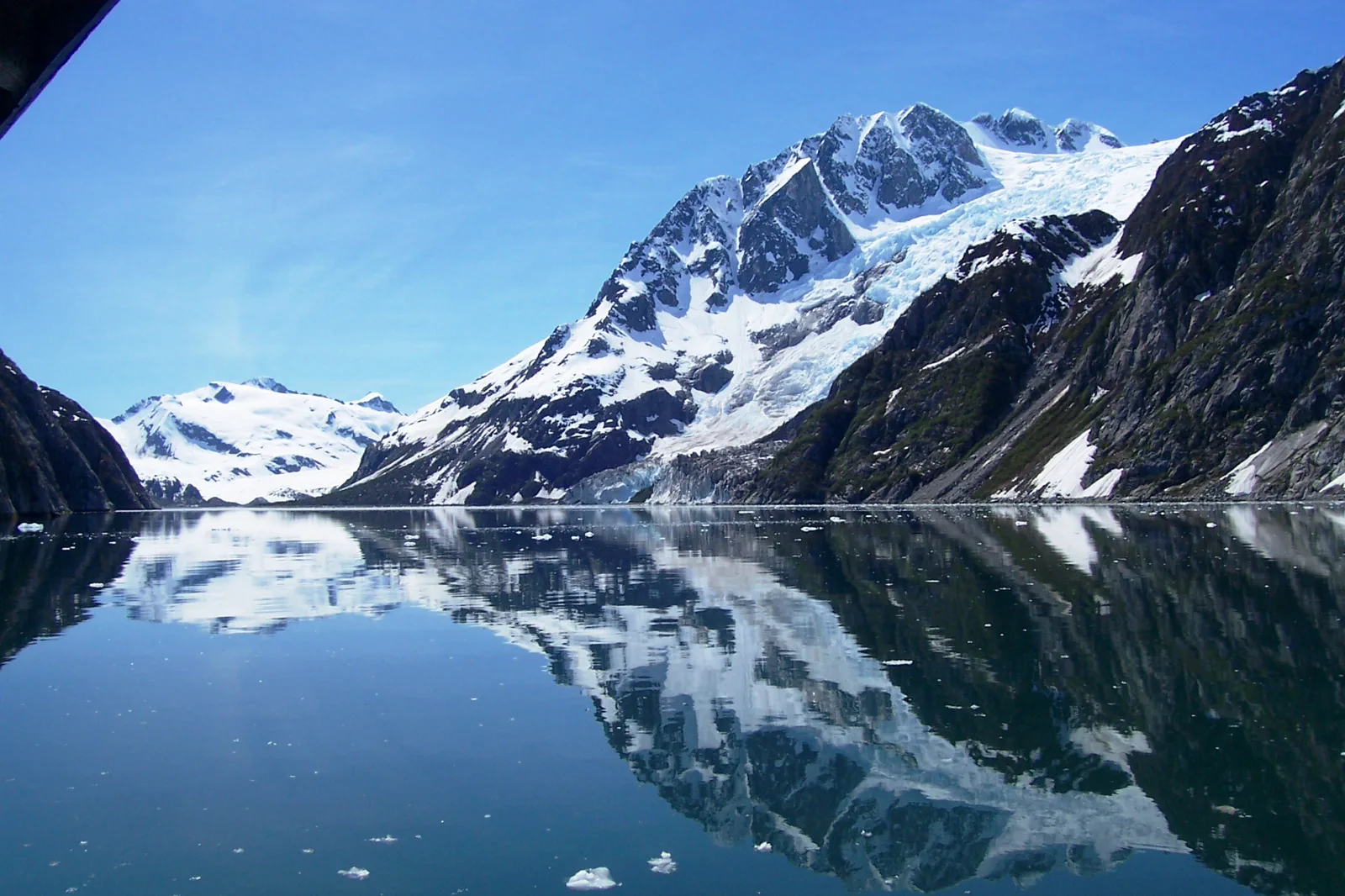
- Anchorage, Seward & Kenai Fjords — CROCKERBD, CC BY-SA 4.0. Resized, display-cropped and converted to WebP; no other material edits.
- Oahu: Honolulu & Windward Coast — Dcrjsr, CC BY 3.0. Resized, display-cropped and converted to WebP; no other material edits.
Editorial review: 11 September 2026. Check current official information before travel.