New York / First-trip planner
New York,
one neighborhood at a time.
Choose where to sleep before choosing a skyline ticket. A useful New York itinerary connects neighborhoods; it does not repeatedly cross Manhattan to collect famous names.
Three full sightseeing days are a starting plan, not a promise to cover the city.
Choose the guide that matches your day
Lower Manhattan & the Harbor
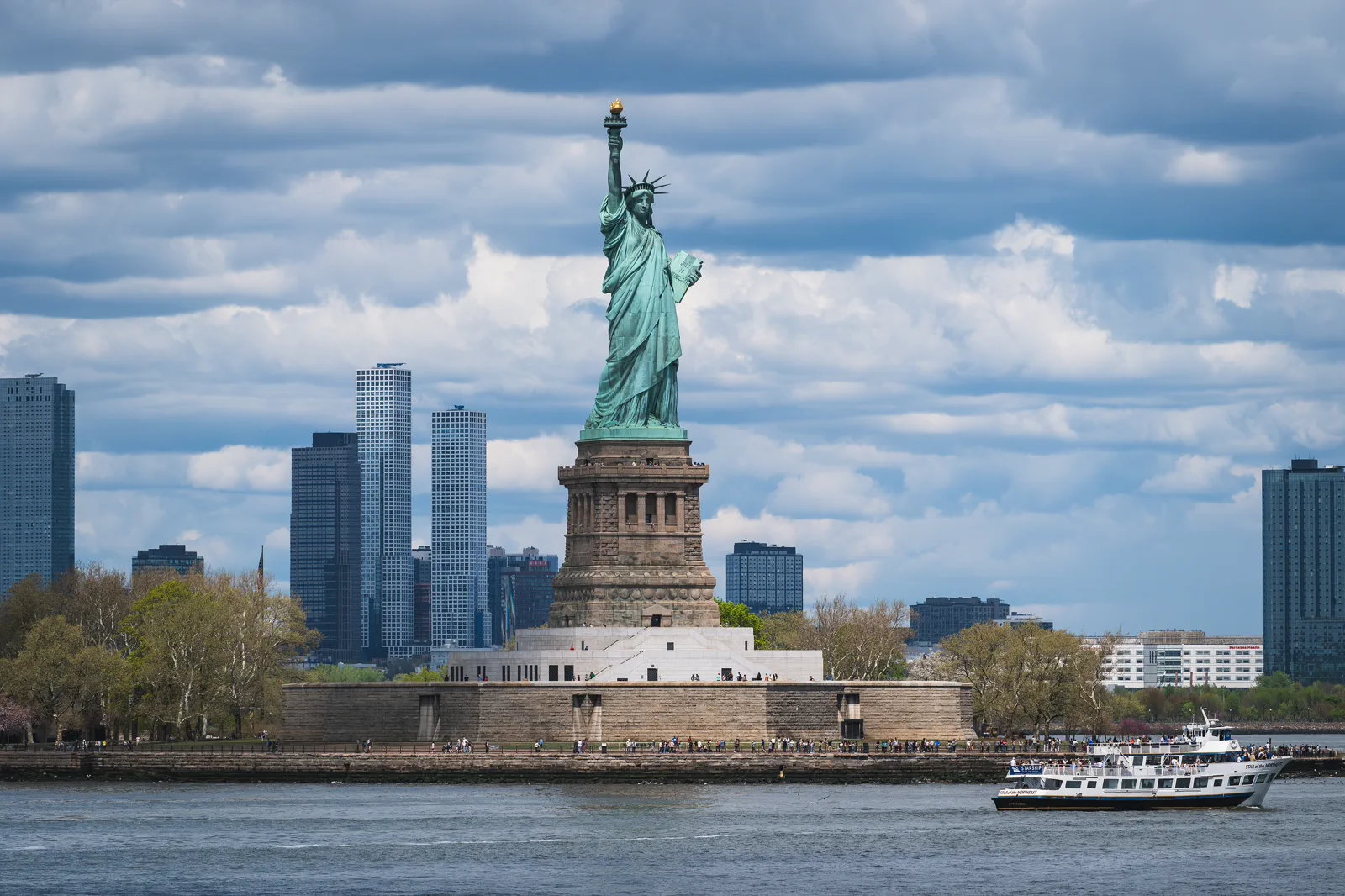
Lower Manhattan combines the working Financial District, the 9/11 Memorial and the harbor. These are distinct experiences: leave a quiet interval after the memorial, and decide whether an island visit is important before filling the rest of the day.
Open guide →Midtown & Central Park
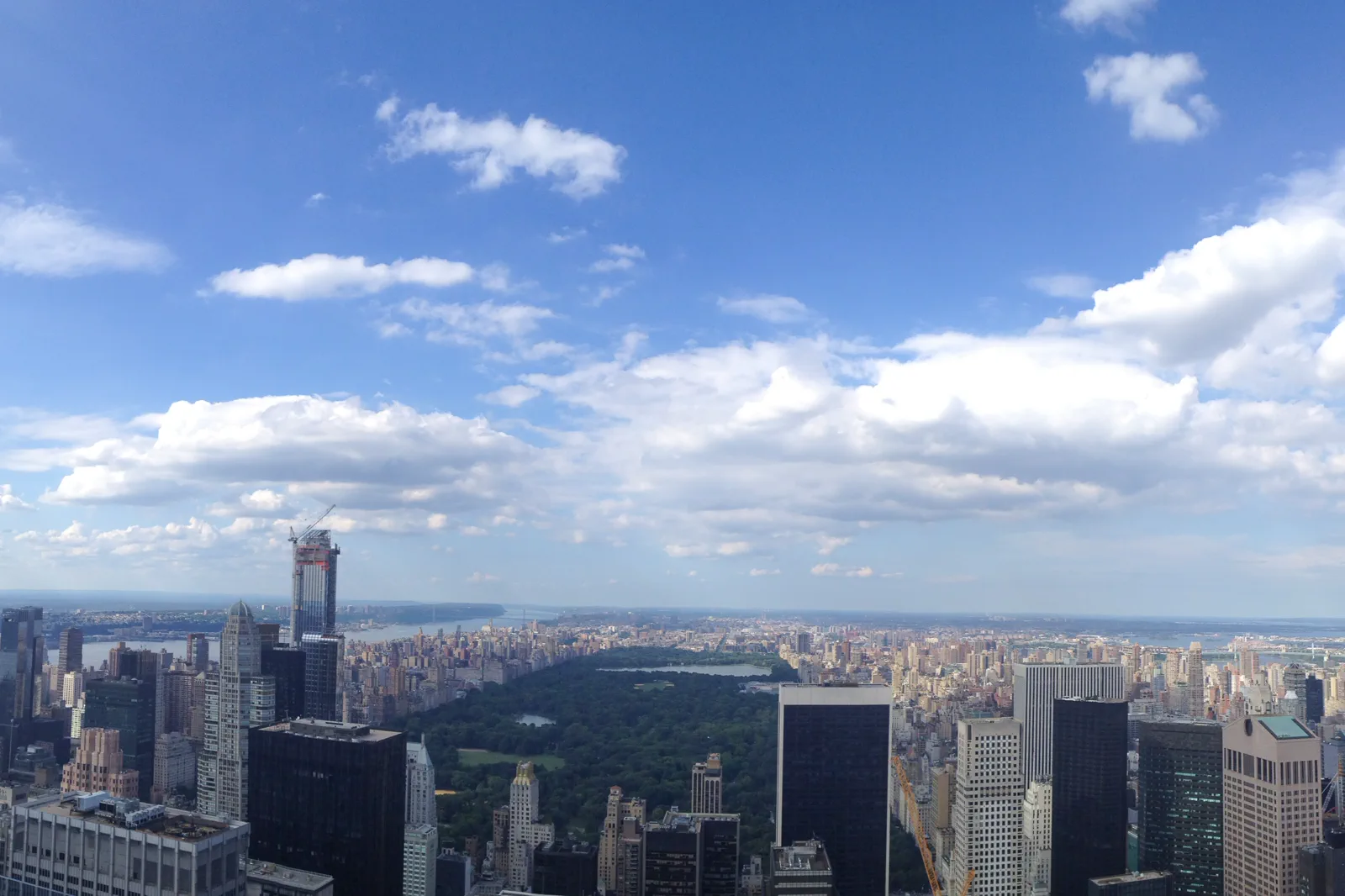
Midtown works best as a museum or performance day with outdoor breaks. The size of Central Park is easy to underestimate, and an observation deck, a major collection and an evening show can become a rushed sequence if every slot is fixed.
Open guide →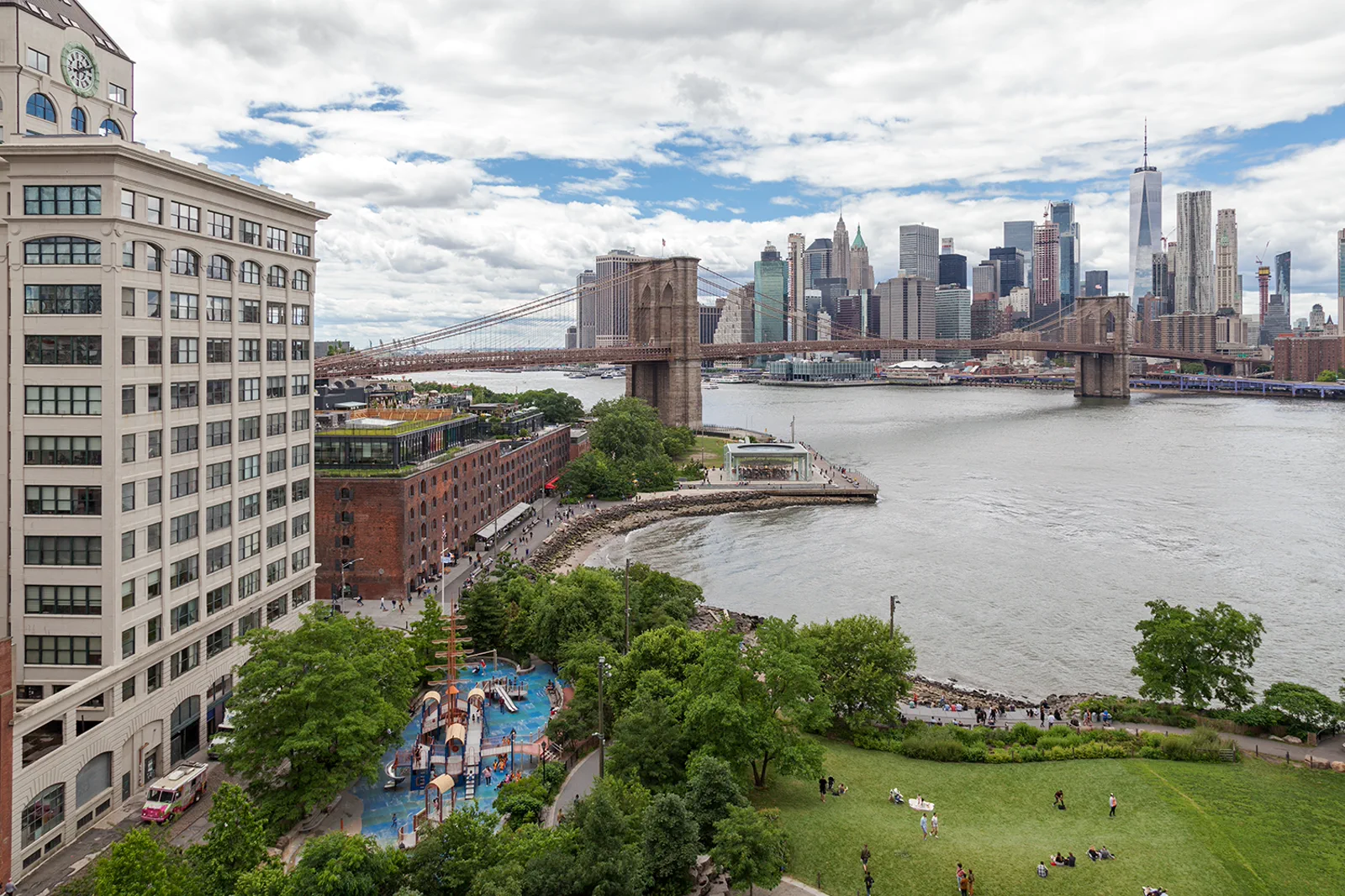
Brooklyn Heights & DUMBO
The Brooklyn waterfront offers a different view of the city and a useful slower day. Brooklyn Heights, the promenade and DUMBO connect on foot, but residential streets and busy photography spots should remain usable for people who live and work here.
Open guide →Choose a base by the journeys you will repeat
A hotel near Times Square is convenient for theater nights, but it is not automatically the best base for every trip. Count the journeys you will make twice: the evening return, a museum day and the airport connection. Compare the actual station entrance near the hotel, not simply the neighborhood name on a booking map. An attractive room price can lose its advantage when it adds a transfer to every outing.
| Base | Why choose it | What you give up |
|---|---|---|
| Midtown West / Penn Station | A practical starting search for Broadway evenings and Penn Station arrivals. You can return to the hotel between a daytime visit and a show. | Busier streets and a commercial atmosphere. A hotel beside Penn is not necessarily a pleasant or short walk from your theater. |
| Midtown East / Grand Central | Useful for an east-side museum plan and an arrival using an LIRR service to Grand Central. | West-side shows and downtown waterfront visits still require a cross-town or subway journey. |
| Upper West Side | A neighborhood rhythm, access to the west side of Central Park and an easier park break between activities. | The Met is across the park on the east side. Airport and downtown journeys need to be priced into the hotel decision. |
| Lower Manhattan | A good match for a harbor-focused trip, downtown museums and early starts near The Battery. | Less convenient if most evenings end in the theater district. Check nearby dinner options for the days you will actually be there. |
| Brooklyn Heights / Downtown Brooklyn | Worth comparing if Brooklyn is a substantial part of the trip rather than a single photo stop. | Do not book an arbitrary Brooklyn address assuming it is beside DUMBO. Verify the line, station and last walk to the room. |
| Long Island City | Another hotel-search area to compare when the exact subway connection suits your destinations. | A lower nightly rate is not guaranteed. Some addresses require a longer walk to a useful station than the map thumbnail suggests. |
Three airports, three different transfer decisions
| Arrival | Public-transport starting point | Decide before boarding |
|---|---|---|
| JFK | AirTrain to Jamaica, then a subway or an LIRR service suited to the hotel. Howard Beach is another subway connection. | For LIRR, check whether the train goes to Penn Station or Grand Central. Do not choose a Manhattan terminal simply because its train leaves first. |
| LaGuardia | For terminals B and C, the free Q70 links to subway connections at Jackson Heights–Roosevelt Avenue / 74 St–Broadway and rail at Woodside. | Terminal A needs a different terminal connection. The M60 is an option for uptown Manhattan; do not assume Q70 goes directly to Manhattan. |
| Newark Liberty | The airport connection links to Newark Liberty International Airport rail station, then NJ TRANSIT trains toward New York Penn Station. | Newark Penn Station and New York Penn Station are different places. Check airport transfer arrangements and service alerts before leaving the terminal. |
Fare snapshot checked on 11 September 2026: MTA lists a standard subway fare of $3 and JFK AirTrain at $8.75, making that combination $11.75. LIRR is a separate rail ticket; its peak/off-peak price changes the comparison. The Q70 bus itself is free, not the connecting subway. Recheck the linked fare pages before travel; the figures are not a quote for your arrival date.
For a group with luggage, compare the total public-transport cost against one vehicle, then account for traffic and the final walk. For a solo traveler staying beside a direct rail stop, the train can be the simpler choice. Neither option wins solely on the advertised ride time: terminal walking, waiting, transfers and hotel check-in belong in the arrival plan. Keep the first afternoon flexible instead of attaching a non-refundable museum slot to a flight.
MTA: JFK airport connections and fares · MTA: LaGuardia connections and terminals · NJ TRANSIT: Newark airport rail connection
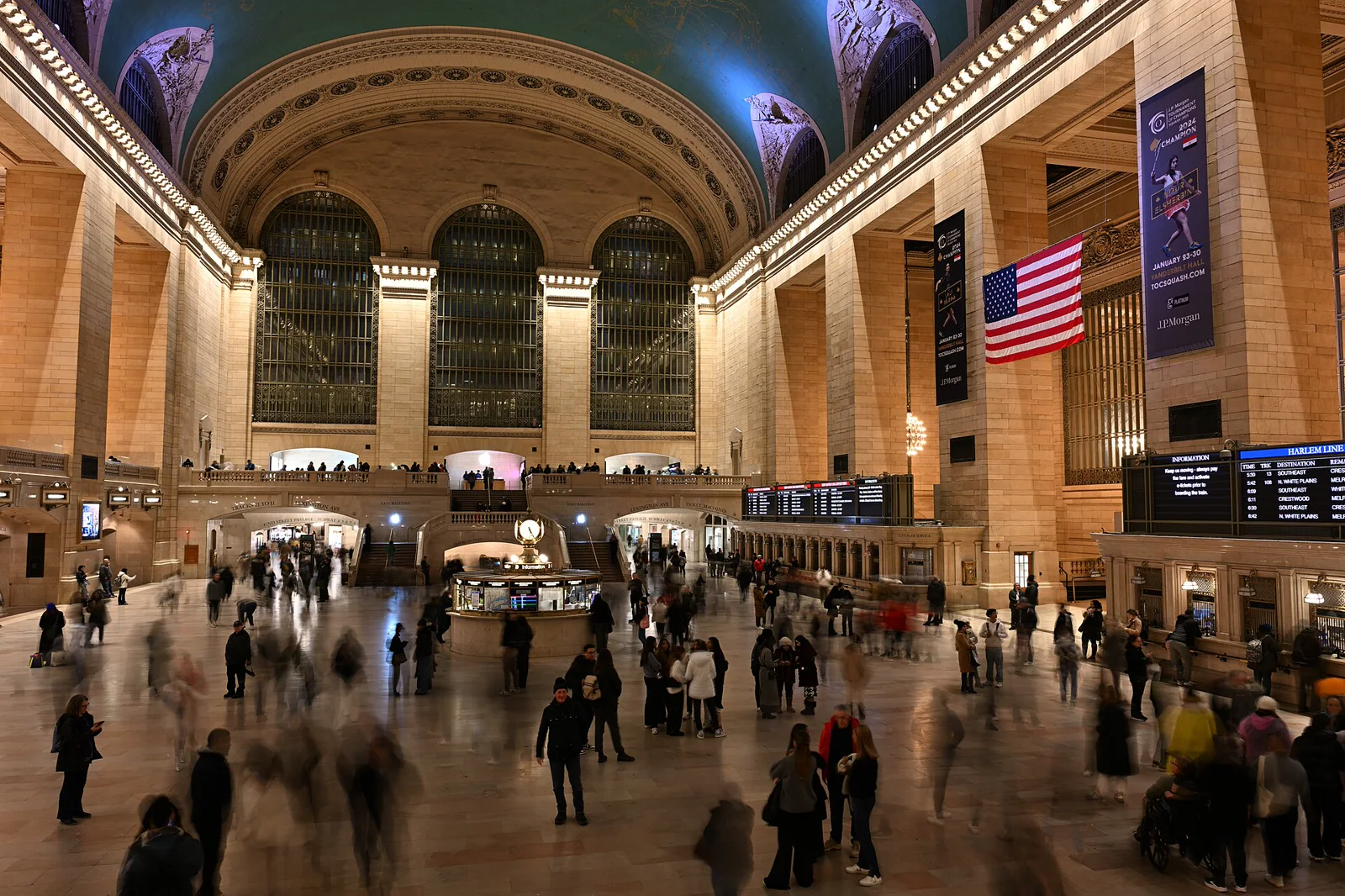
At Grand Central, follow signs for your railway, not only the famous clock. LIRR services use Grand Central Madison; the historic Main Concourse is not the LIRR platform hall. Allow time to reach the correct level and exit before judging how close the station is to your hotel.
Grand Central Terminal: official station map
A three-day plan with room to change your mind
Downtown first
Choose a mainland Lower Manhattan walk or the Liberty / Ellis Island trip. An island day takes the largest block of time; do not promise yourself a full memorial museum visit afterward. If you stay on the mainland, use the spare afternoon for the museum or a quieter Hudson River pause.
One museum, then Midtown
Choose The Met with an east-side park walk, or MoMA with a shorter Midtown circuit. Put a Broadway booking in the evening only if you are happy to leave the daytime visit on time. A museum, several observation decks and a full park crossing are competing plans, not natural add-ons.
Brooklyn at walking pace
Start in Brooklyn Heights and work toward DUMBO rather than crossing the bridge first and retracing the waterfront. Decide at the end whether walking back into Manhattan still sounds enjoyable. Use the subway if tired; the bridge is an optional experience, not the price of completing the day.
With only one full day, choose one of these areas and a single paid highlight. With four or five days, extend what interests you: another major collection, more Brooklyn, a food-focused neighborhood visit or an unbooked day. The extra days should deepen the trip rather than multiply cross-city transfers. These are editorial pacing suggestions; museum opening days, weather and personal walking needs determine the order.
Spend on the experience, not on an overloaded bundle
A useful budget separates the hotel total, airport transfers, ordinary city transport, meals and optional admissions. Keep museum and show spending visible instead of calling everything “daily expenses.” A waterfront walk can balance an expensive theater evening. A free ferry ride can provide harbor scenery, but it cannot replace an island landing if visiting Ellis Island is the purpose of the trip.
For changing conditions, use a specific fallback: move the park portion to another day if heavy rain is forecast, use MoMA as the anchor only if its ticket and opening arrangements work, or make a shorter neighborhood meal outing after a delayed arrival. Do not buy every backup in advance; that turns flexibility into another set of deadlines.
Fit New York food into the day you chose
Bagels, pizza slices and pastrami sandwiches offer different kinds of meals, not a mandatory tasting checklist. A bagel breakfast near your hotel fits before a museum start. A slice counter can suit a short lunch; a sit-down, whole-pie pizzeria is a different commitment. For a deli-focused Lower East Side visit, reserve a separate meal block rather than pretending it is already on the Financial District walk.
On a Broadway evening, prioritize enough time to eat near the theater over a famous restaurant across town. On the Brooklyn day, compare a waterfront queue with a calmer meal on nearby streets. If a particular restaurant is the main reason for the outing, reverse the planning order: confirm its location and booking terms, then build the walk around the meal. These are pacing choices, not claims that TripDistill has personally reviewed those restaurants.
Questions that change the plan
Is three days enough for a first trip?
It is enough for a selective introduction, not a full survey. This plan deliberately chooses one main area per day. Add time when a museum, island visit or performance is important enough that you do not want to watch the clock.
Are these routes based on a personal visit?
These are researched editorial plans using the official references listed here, not a claim of a personally walked or timed inspection. Timings are planning allowances; current transport, access information and your own needs take precedence.
References, review and image credits
Source information checked on 11 September 2026. Route order, comparisons and suggested pacing are TripDistill editorial judgments; they are not official operator itineraries.
- MTA: JFK airport connections and fares
- MTA: LaGuardia connections and terminals
- NJ TRANSIT: Newark airport rail connection
- The Met: locations, closure days and admission
- TDF: official TKTS information
- Lower Manhattan & the Harbor — Christian David, CC BY-SA 4.0. Resized, display-cropped and converted to WebP; no other material edits.
- Midtown & Central Park — dronepicr, CC BY 2.0. Resized, display-cropped and converted to WebP; no other material edits.
- Brooklyn Heights & DUMBO — (User: Wgreaves ), CC BY-SA 4.0. Resized, display-cropped and converted to WebP; no other material edits.
- Grand Central Terminal Main Concourse photograph — 4300streetcar, CC BY 4.0. Resized, display-cropped and converted to WebP; no other material edits.
Editorial review: 11 September 2026. Check current official information before travel.