Philadelphia / A city in three directions
History east.
Art northwest.
Daily life between.
Center City is the connection, not a holding area between famous photographs. Give Old City and the museum parkway their own days, and use the market to make the middle of the trip worthwhile.
Choose the purpose of your day
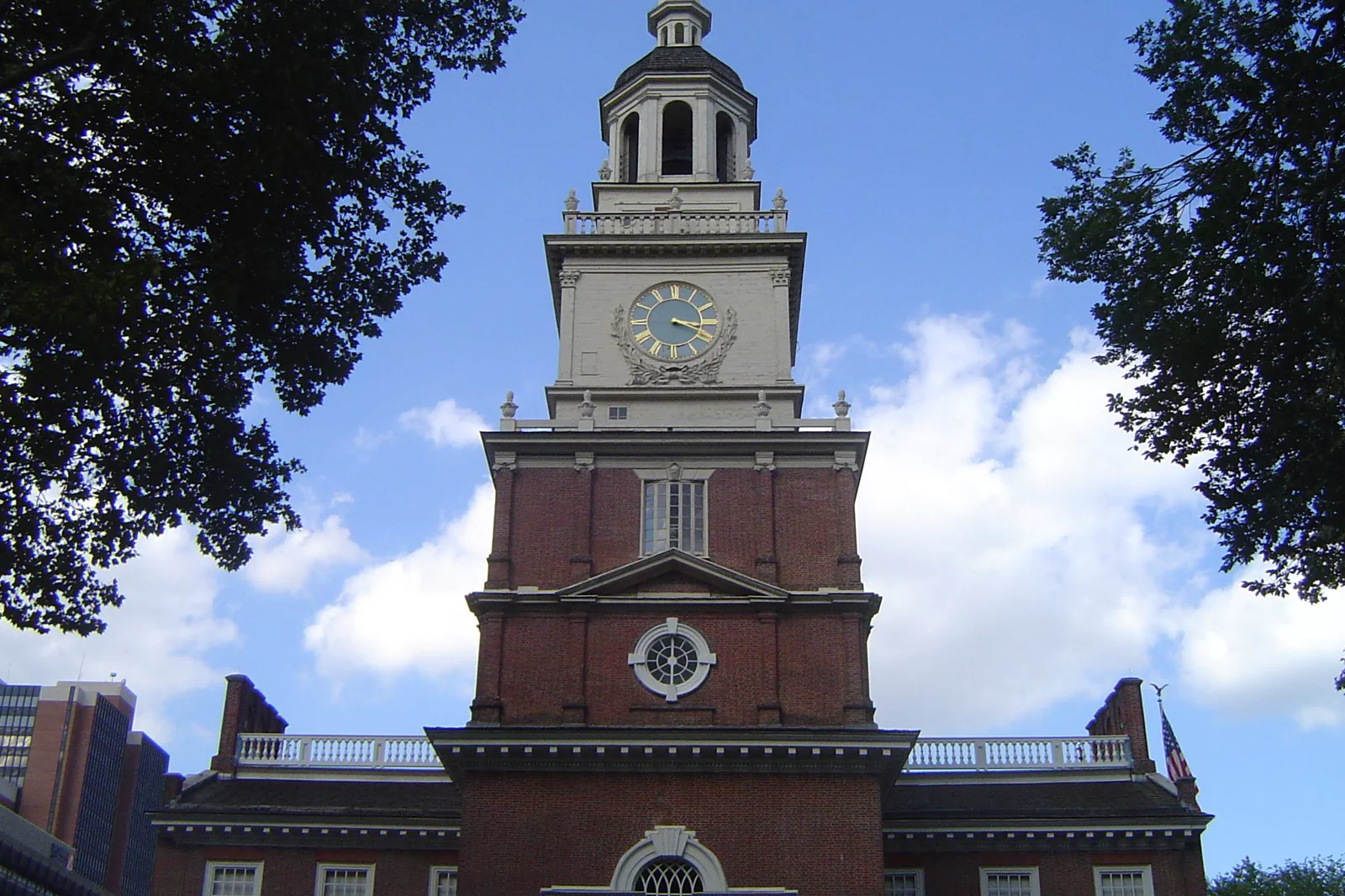
Old City & Independence Park
Old City brings together constitutional history, preserved streets and contemporary residents. Independence Hall and the Liberty Bell have different entry procedures, so the useful first step is to check the official park plan rather than queue at whichever line looks shortest.
Open guide →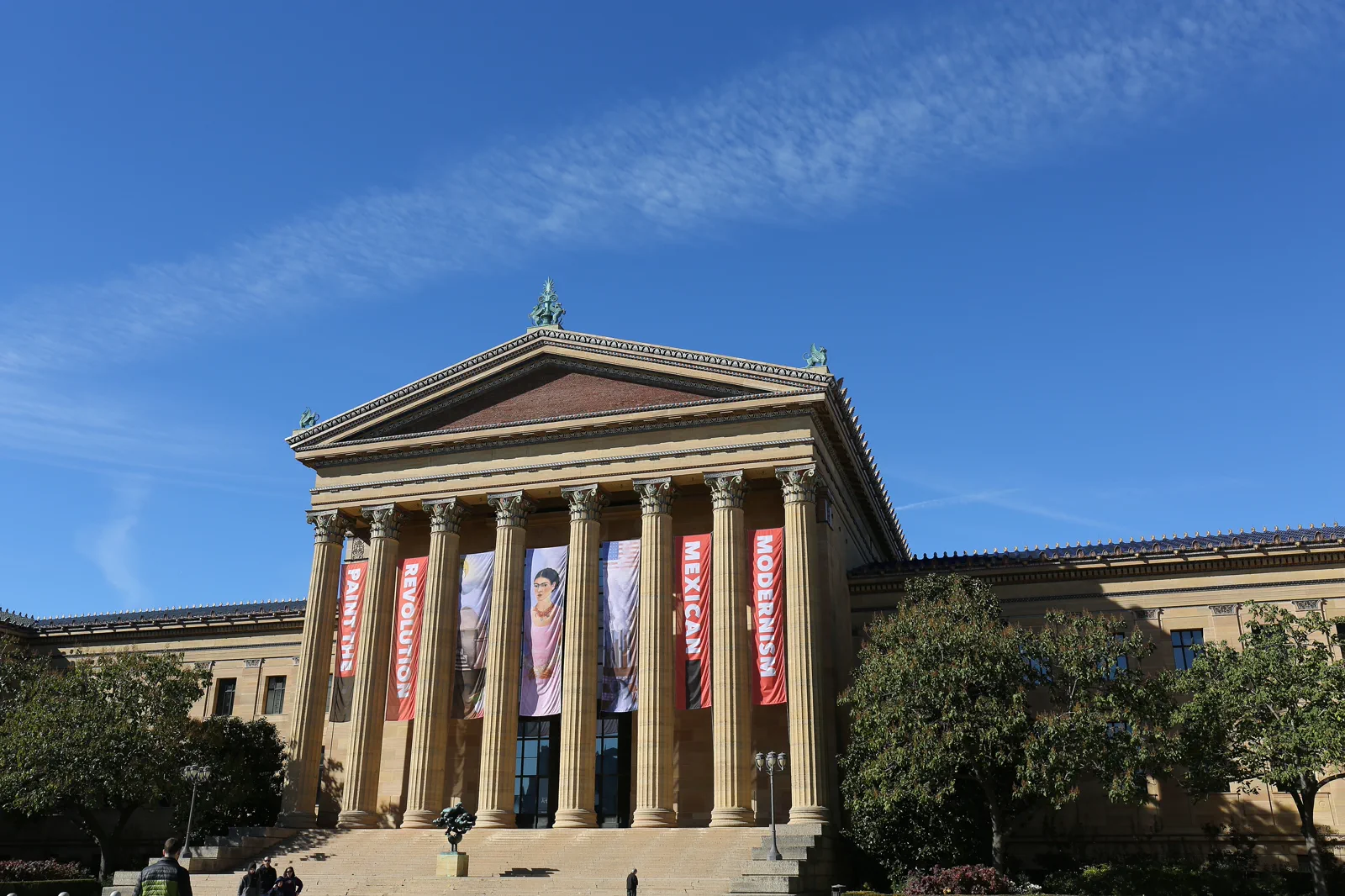
Museum Parkway & Schuylkill River
The parkway contains major art collections separated by broad roads and substantial walking. Choose one collection as the main event; the river is an outdoor complement rather than a reason to rush through galleries.
Open guide →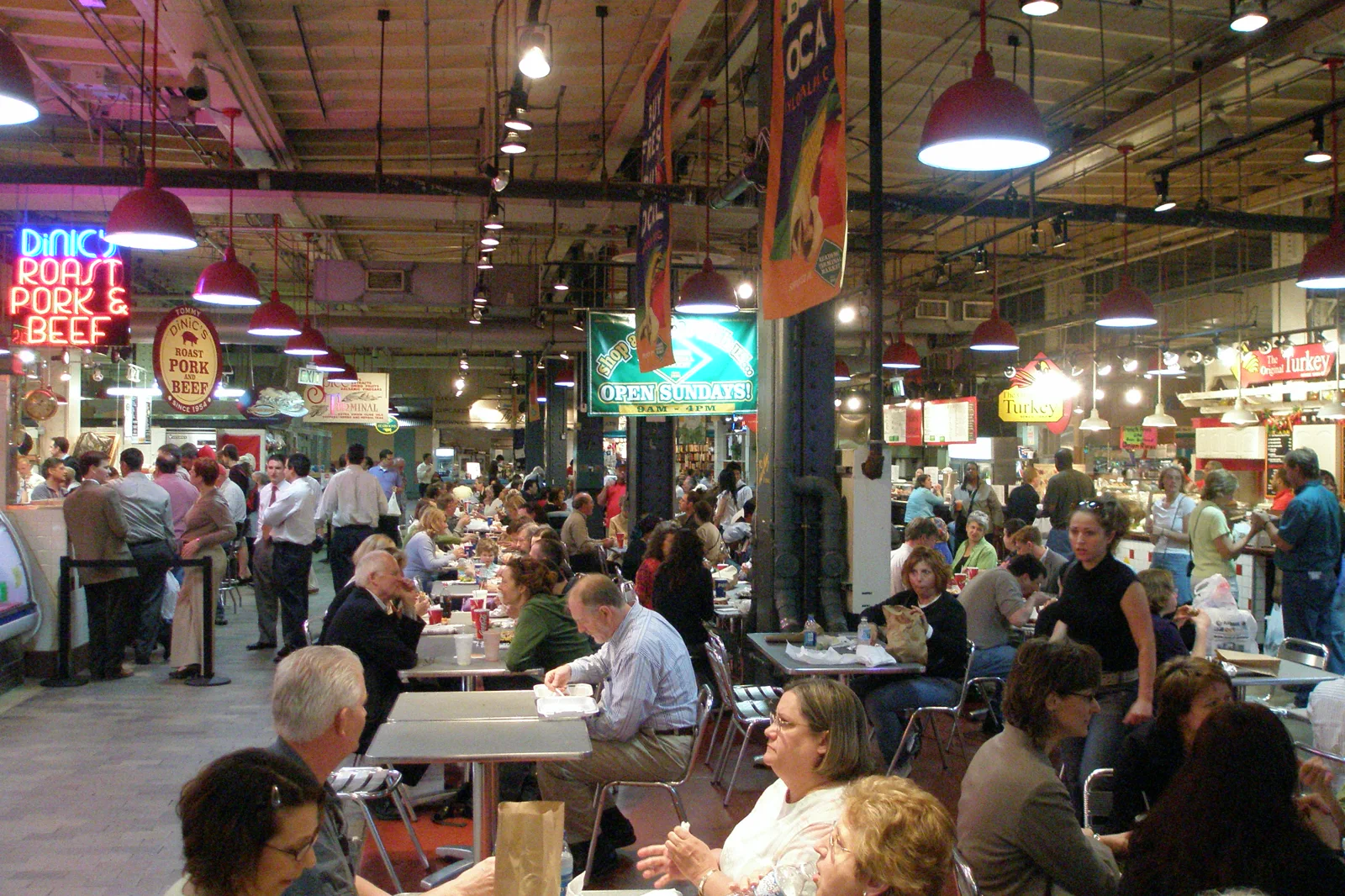
Reading Terminal & Center City
Reading Terminal Market is a working food market whose vendors have individual hours. It fits best into a Center City day, with a clear meal window and time to explore nearby public streets rather than treating every counter as a compulsory stop.
Open guide →Choose the part of the city you want to return to
Philadelphia works best when the hotel supports the evening as well as the first attraction. Old City is convenient for an early Independence Park visit; a more central address gives easier access to a wider spread of meals and transit; the parkway edge favors an art-centered stay. Compare the actual street and station entrance rather than assuming every Center City hotel sits halfway between the two sightseeing clusters.
Old City / Independence Park
Choose this for history as the main purpose and evenings in the eastern part of the center. The trade-off is a longer journey to the major parkway collections. Do not plan to return to the room between every museum and meal unless you have actually checked the connection.
City Hall / Convention Center area
A useful comparison for a first visit split between history, the market and art. Jefferson and Suburban stations serve different parts of this broad area. The trade-off is that the hotel’s exact block matters more than a booking map’s central pin; convention activity can also change the feel of the stay.
Rittenhouse / Center City west
Compare this for neighborhood dining and an evening that is not centered on the historic park. The trade-off is that neither Independence Hall nor the art museum becomes a next-door attraction. Choose a hotel for the stay you will use, not a vague promise of walking everywhere.
Parkway edge
Consider this when a collection is the main reason for coming or when a longer museum visit matters more than an early Old City start. The trade-off is the broad-road geography: being near a museum on the map is not the same as being beside its public entrance.
Three rail-station names worth separating
An intercity arrival at William H. Gray III 30th Street Station is not an arrival at City Hall. Plan the last connection across the river to your hotel rather than using the train’s arrival time as the start of an Independence Hall reservation. Suburban Station and Jefferson Station are different central rail stops; compare the exit that suits your address before leaving a train simply because another passenger gets off.
For Philadelphia International Airport, use the current Airport Line timetable and service alerts to choose the correct central stop. Do not assume every train or fare product on the regional network follows subway rules. The relevant practical question is the complete trip from the airline terminal to the room, including the last walk with bags. During a disruption, use SEPTA’s current alternative instructions rather than an old route screenshot.
SEPTA: current Airport Line timetable
SEPTA: transit maps and journey planning
A late arrival, reduced mobility or several heavy bags may justify a taxi or booked car. Confirm the authorized pickup point and final cost rather than treating any person offering a ride as the airport service. If arriving by intercity rail, leave the first attraction flexible until bags are stored. A delayed train should cost you a little sightseeing, not the only reserved entry you wanted.
Two days with an optional third, not three competing checklists
Day one · Old City and the independence sites
Arrange Independence Hall first if the interior is a priority. Add the Liberty Bell only with enough room for its separate screening and queue, then walk a selected Old City circuit. Leave lunch and a quiet pause in the day; there is more value in understanding a few places than rushing through every historic name.
Day two · One main collection and a parkway finish
Choose the Philadelphia Museum of Art or the Barnes as the main visit. A Rodin stop or a Schuylkill walk is an optional addition depending on the opening pattern and energy left, not an obligation after several hours of galleries. Keep dinner in a location that does not demand another long backtrack.
Third day or arrival window · Market and Center City
Use Reading Terminal Market for a deliberate meal, then choose Chinatown or a walk toward City Hall and Rittenhouse. This is the flexible part of the stay because you can shorten it without losing a fixed museum appointment. Check merchant-specific days if a particular food tradition is the reason for coming.
With one full day, choose history or art as the anchor and use the market only if it fits the same geographic plan. With two days, a market breakfast or lunch can fit around the central portions of the trip; it does not need to be squeezed between two timed tickets. These are editorial pacing suggestions, not measured tours or a claim to have personally tested every combination.
A meal is not a competition between famous sandwiches
A cheesesteak, a roast-pork sandwich, a Pennsylvania Dutch counter and a Chinatown meal represent different choices. Decide what you want to eat and where it fits instead of crossing the city to complete a food list. At the market, compare the current merchants, queue, seating and portion before ordering. If you need a quiet seated break, a crowded counter may not be the best answer even when its name is familiar.
Reading Terminal Market: opening and merchant exceptions
Spend admission money on the collection or historical interior you actually want. Exterior museum steps do not constitute a gallery visit, while an attractive city pass is not automatically cheaper than a selective itinerary. Check each venue’s current inclusion rules, special-exhibition terms and closure days. Free public space can give a day breathing room, but it should not be used to disguise missing time for an attraction that matters.
Decisions before the day
Is Philadelphia only a day trip from New York?
It can be visited that way, but a rail day trip leaves less time for both history and art. An overnight stay allows one cluster per day and an evening meal without watching the train clock. Choose the duration by your interests rather than by the minimum possible rail connection.
Can I walk between all three clusters?
Some visitors will choose to, but the total includes museum standing time and the return. Broad roads, weather and energy matter. Use a transit connection when it preserves attention for the visit rather than treating every walk as compulsory.
References, review and image credits
Source information checked on 11 September 2026. Route order, comparisons and suggested pacing are TripDistill editorial judgments; they are not official operator itineraries.
- SEPTA: transit maps and journey planning
- SEPTA: current Airport Line timetable
- Reading Terminal Market: opening and merchant exceptions
- Visit Philadelphia: city visitor information
- Old City & Independence Park — Ronen Perry, CC BY 3.0. Resized, display-cropped and converted to WebP; no other material edits.
- Museum Parkway & Schuylkill River — Heather Dong, CC0. Resized, display-cropped and converted to WebP; no other material edits.
- Reading Terminal & Center City — Bruce Andersen, CC BY-SA 3.0. Resized, display-cropped and converted to WebP; no other material edits.
Editorial review: 11 September 2026. Check current official information before travel.