New England / Choose a corridor, not every state
Harbor light.
Mountain roads.
Time to stop.
A good northern New England trip has nights in the right places. Decide between a Maine coast journey and a mountain-and-village circuit before drawing a loop that spends every day in the car.
Choose one landscape to explore properly
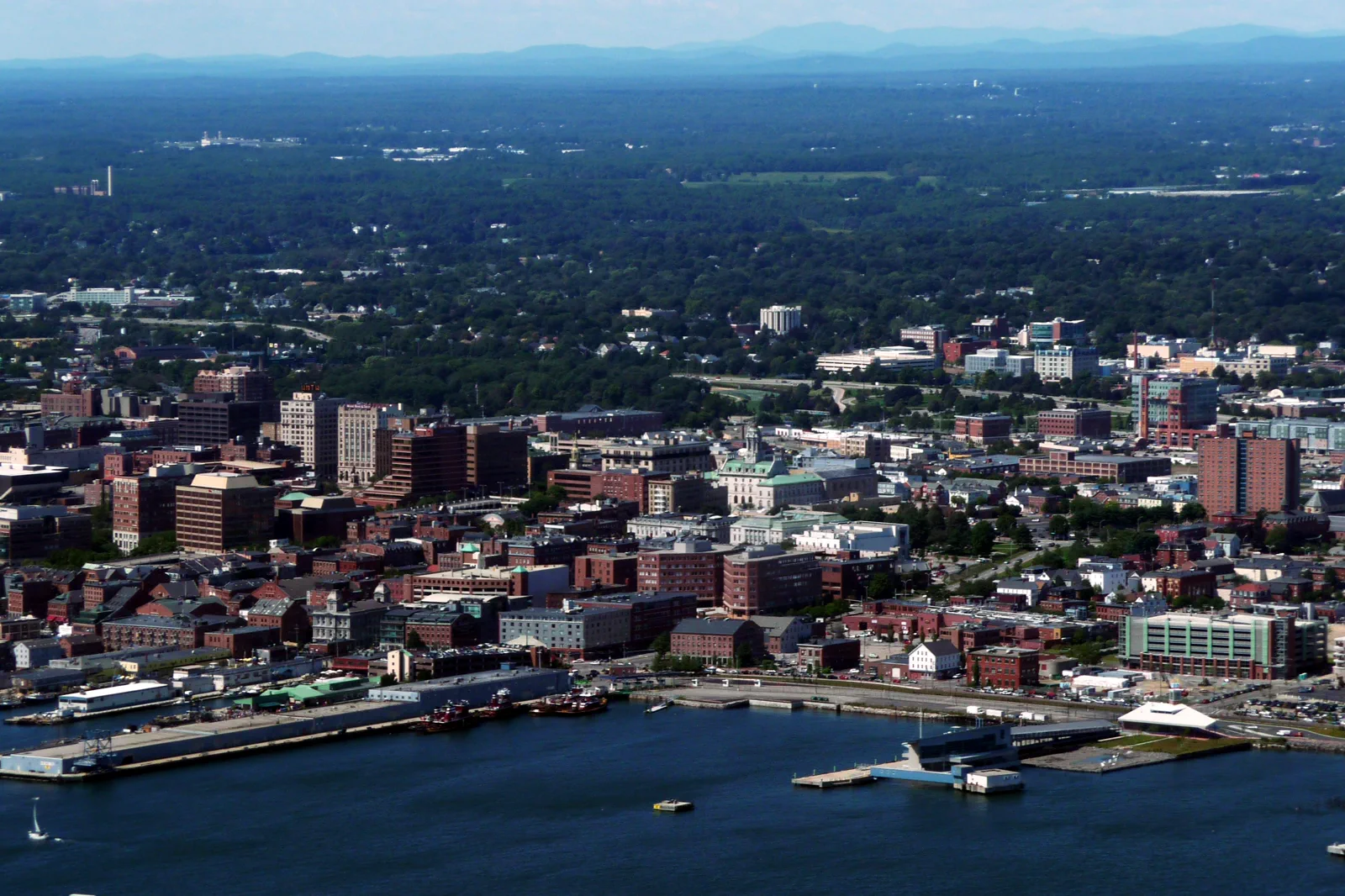
Portland, Maine & Casco Bay
Portland pairs a compact working waterfront with island ferries and a regional food scene. The Old Port is not the same outing as a distant lighthouse circuit, and ferry choice determines whether you are visiting an island or simply enjoying the crossing.
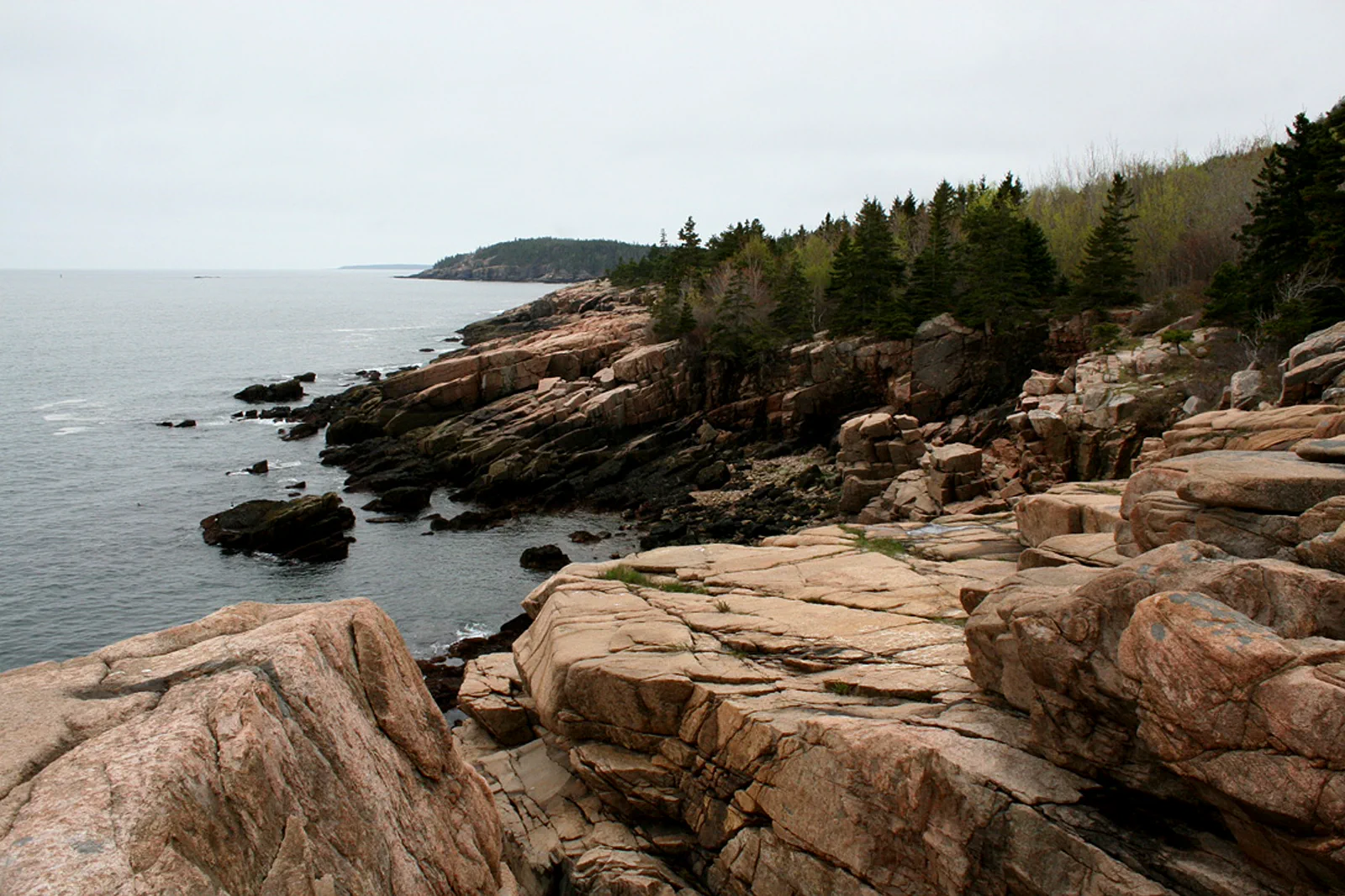
Open guide →Acadia & Mount Desert Island
Acadia offers rocky shore, carriage roads and mountain viewpoints, but the park and Bar Harbor can be busy in different ways. Choose a walking or scenic-driving priority and check which roads, shuttles and reservations apply to it.
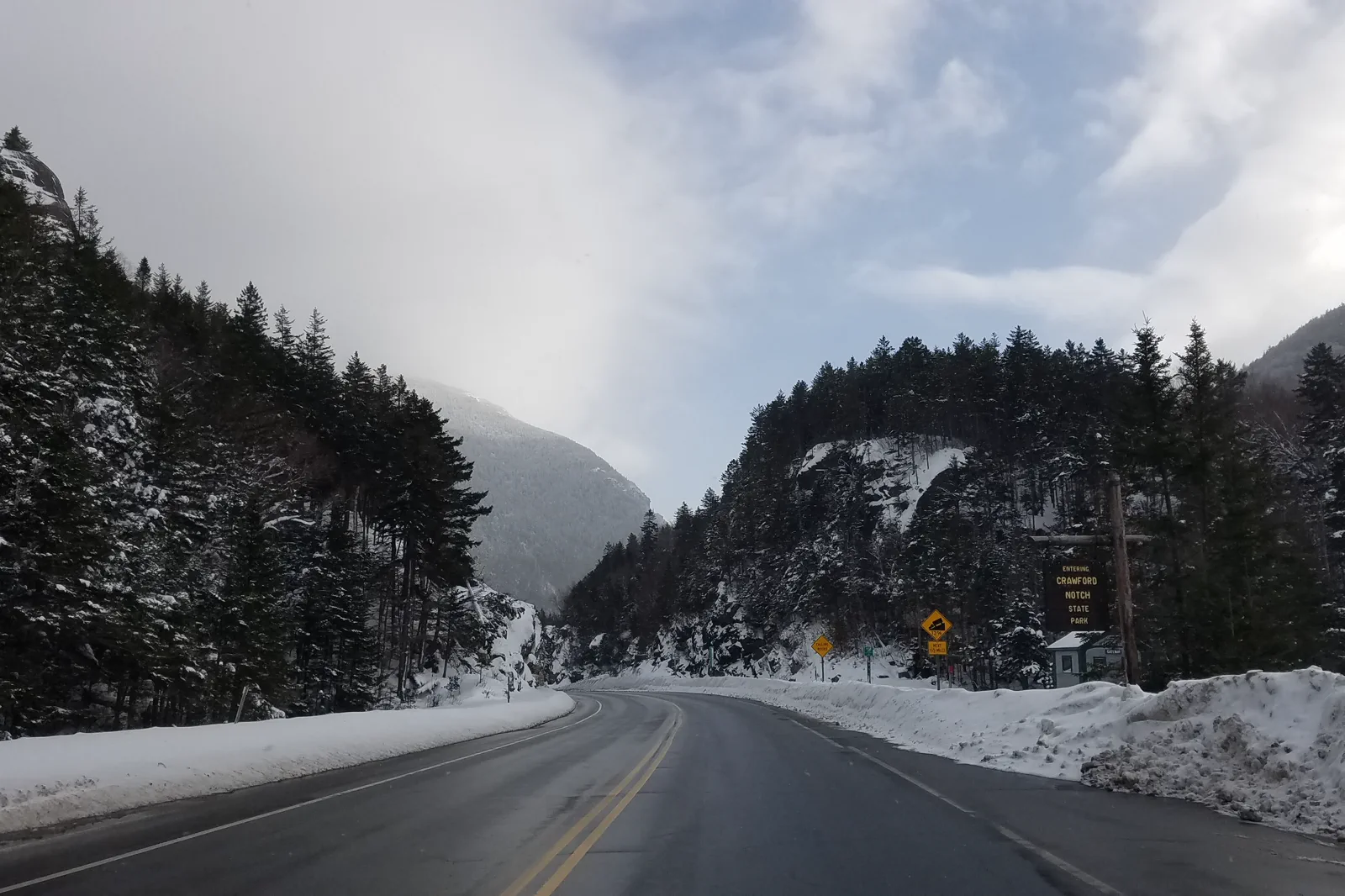
Open guide →White Mountains & Vermont Roads
Northern New England is a road journey with slow scenic sections and rapidly changing mountain weather. A valley village, a short trail and a mountain-road viewpoint may fit one day; crossing several states while hiking usually does not.
Open guide →Two coherent trips are better than one overloaded circuit
Maine coast · Portland plus Mount Desert Island
Choose this when working waterfronts, an island crossing and Acadia are the main interests. Portland and the Acadia area need separate overnight stays; Portland is not a practical daily commuting base for the national park. Give the transfer a visible place in the itinerary instead of booking it between a morning ferry and a sunset summit.
Northern mountains · White Mountains plus Vermont
Choose this for mountain roads, selected walks and village stops. Start on the side of the White Mountains that suits the first outing, then move to a separate Vermont base. A state border does not mark the end of the day’s driving; compare the actual route between accommodations.
Shorter stay · One region with depth
With three or four usable days, choose a Portland-and-bay visit, an Acadia stay or a limited mountain base. You gain more time outside the vehicle and more flexibility when conditions change. Combining all three is a different, much more mobile trip, not the same experience performed faster.
Boston is a useful gateway and a destination in its own right, but its city days should not be counted as road-trip days at the same time. Finish the urban stay before collecting a car if the rural portion benefits from one. Conversely, returning a rental vehicle before a Boston hotel stay can remove parking from the final days. Confirm the actual collection and return locations rather than assuming every office operates the airport’s hours.
One week: choose a branch and keep a transfer day honest
The Maine branch
Portland · Two days
Use one day for the Old Port, a meal and the city’s waterfront setting. Use the second for a specific Casco Bay landing or a separately planned Cape Elizabeth road outing. A ferry day depends on its return, while a lighthouse visit depends on the land connection; do not make both mandatory.
Move north · A travel day with a modest stop
Transfer toward Mount Desert Island using your actual accommodation route. Choose at most a limited stop that does not create a large detour. Arrive with time to settle, eat and check the following day’s park plan rather than booking a difficult first visit for the moment the navigation estimate says you should arrive.
Acadia · Several days of distinct outings
Separate a coastal visit, a pond or carriage-road day, and any summit-road reservation. Keep a flexible day or half-day for weather and crowd changes. Depart with the full onward drive or airport connection visible, not an invented final morning that somehow contains another park day.
The mountain branch
White Mountains · Choose one side first
Use an eastern base for the Conway side or a western base for the Lincoln / Franconia side according to the outing you want. Do not switch hotels every night merely to keep moving. A scenic crossing can be one of the days rather than the drive you add after a long hike.
Move to Vermont · Replace an activity day
Treat the journey to your selected Vermont town as a transfer, with a small number of legal stops. Arrive before fatigue turns a scenic road into a chore. The plan should still work if rain removes a viewpoint or lunch takes longer than expected.
Vermont · A town and its nearby roads
Choose a limited area such as the Stowe / Waterbury corridor and explore from there. A village, a food stop and a short appropriate walk make a coherent day. Route 100 is a regional travel spine, not an obligation to drive its entire length before the holiday is valid.
Autumn color is not an appointment
Elevation, weather and location change the timing of foliage. Book a trip you would still enjoy if the leaves are earlier or later than a photograph suggests: village time, a museum or food stop, and a manageable scenic route should have value of their own. Busy autumn roads also turn a nominal driving estimate into only the beginning of a day plan. Stop in legitimate parking areas and viewpoints, not farm entrances or narrow shoulders.
Outside the main visitor season, check the actual road, boat and accommodation operations rather than assuming the summer plan still works with a warmer coat. Coastal wind, mountain conditions and daylight need different decisions. A high viewpoint can be unsuitable while a town or low-level route remains useful; keep that distinction in the plan instead of treating every day as summit-or-nothing.
Book the overnight that supports the next morning
At Acadia, compare the exact Mount Desert Island or mainland address with the park access you intend to use. Around the White Mountains, compare which side of the range your day begins on. In Portland, an Old Port stay can suit walking and a ferry, while a road-oriented hotel has a different evening experience. In Vermont, a picturesque town name on a booking site does not establish a short drive to the route you want.
Look at food availability, cancellation terms and the final return to the room as carefully as the view. A rural late arrival may leave fewer meal choices than a city arrival. Plan the fuel or charging stop before a remote segment and save essential directions offline. These are practical comparisons of location, not hotel inspections or claims that TripDistill has stayed at the properties.
Before choosing the overnight stop
Can I include Boston, Maine and Vermont in a week?
You can move between them, but that is not the relaxed regional week described here. Choose fewer overnight areas if you want substantial time for walks, museums, food and weather flexibility. Transfer days should replace sightseeing days, not be counted twice.
Is this all of New England?
No. These guides focus on Portland and Casco Bay, Acadia, and a northern mountain/Vermont corridor. The region includes many other destinations; this is a selective planning route, not an exhaustive state-by-state survey.
References, review and image credits
Source information checked on 11 September 2026. Route order, comparisons and suggested pacing are TripDistill editorial judgments; they are not official operator itineraries.
- Discover New England: regional visitor information
- U.S. Forest Service: White Mountain scenic drives
- Vermont Tourism: scenic byways
- Portland, Maine & Casco Bay — Alex Boykov, CC BY-SA 3.0. Resized, display-cropped and converted to WebP; no other material edits.
- Acadia & Mount Desert Island — Dshadoe, CC BY-SA 3.0. Resized, display-cropped and converted to WebP; no other material edits.
- White Mountains & Vermont Roads — Ascended Dreamer, CC BY-SA 4.0. Resized, display-cropped and converted to WebP; no other material edits.
Editorial review: 11 September 2026. Check current official information before travel.