Yellowstone & Grand Teton / Two parks, several useful bases
Stay near the day
you came for.
A thermal basin, a wildlife valley and a mountain lake ask for different kinds of attention. Choose the road and overnight base before joining their photographs into one trip.
Choose thermal basins, canyon or Teton lakes
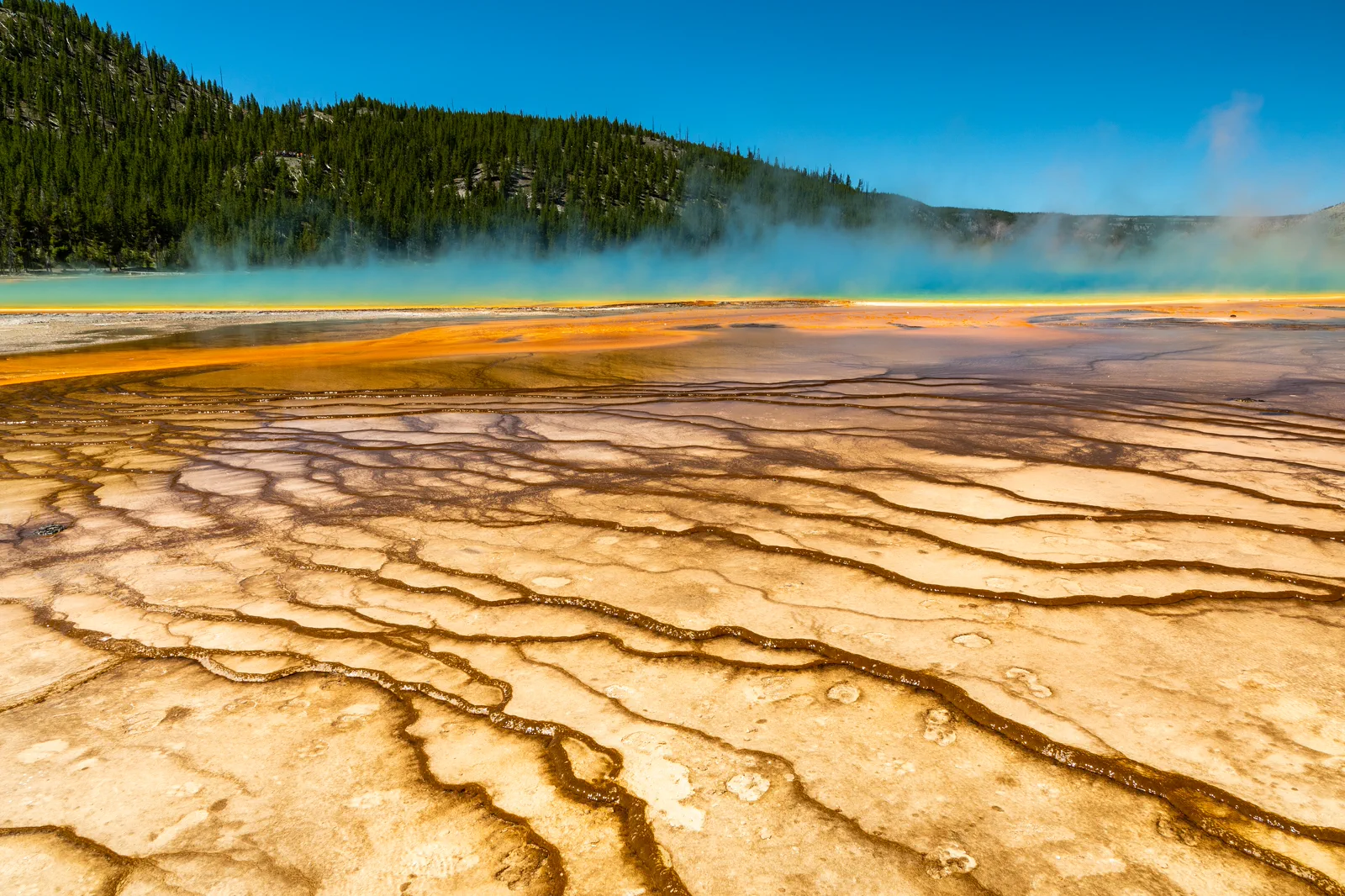
Yellowstone Geyser Basins
The geyser basins are fragile thermal landscapes, not ordinary walking terrain. Boardwalks provide access to dramatic features, and a predicted eruption should be treated as an estimate rather than a guaranteed appointment.
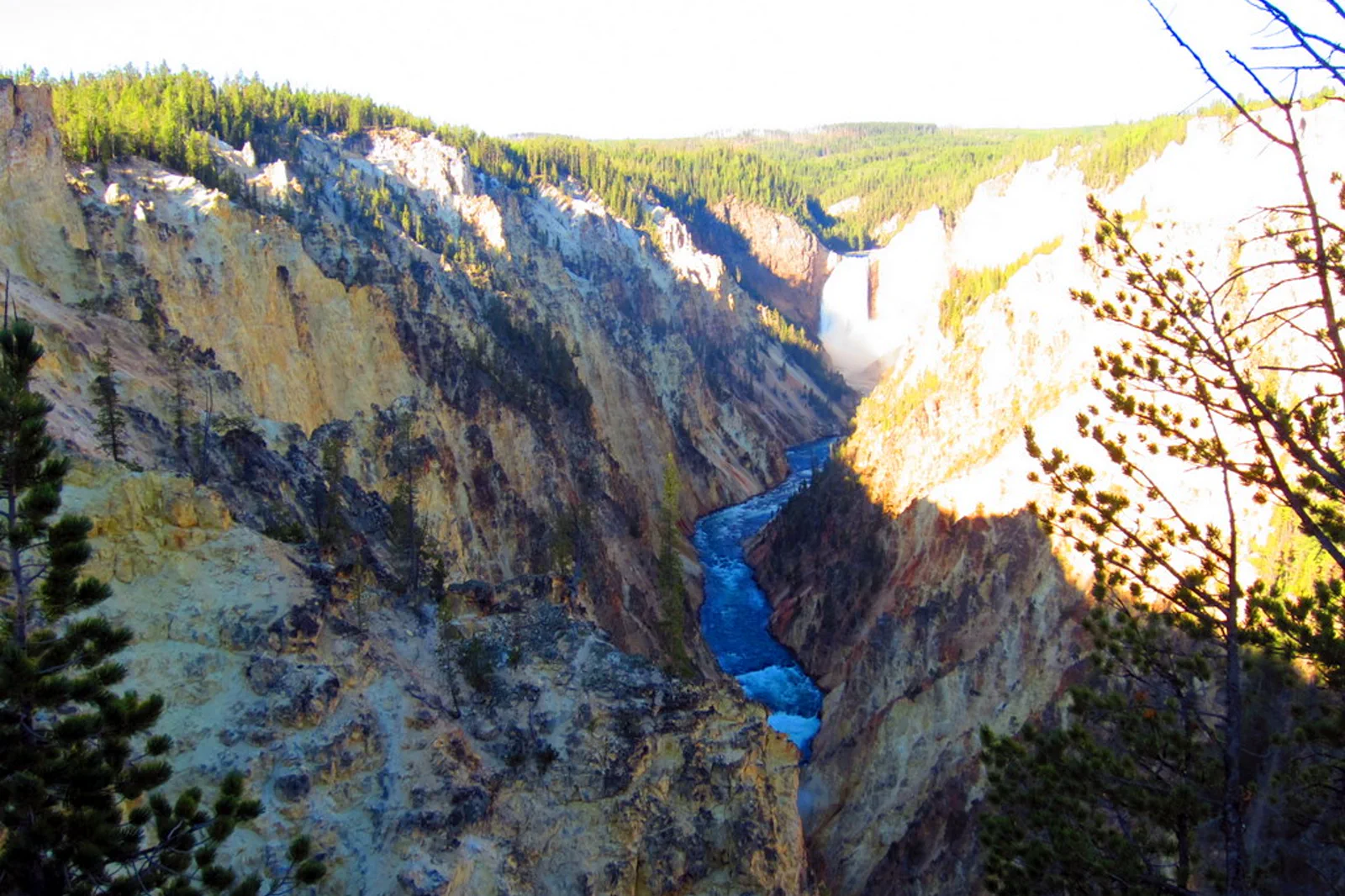
Open guide →Yellowstone Canyon & Wildlife Valleys
The canyon and northern valleys offer different scenery from the geyser basins. Wildlife viewing is uncertain and should be based on patient observation from legal pullouts, not on approaching animals or chasing sightings.
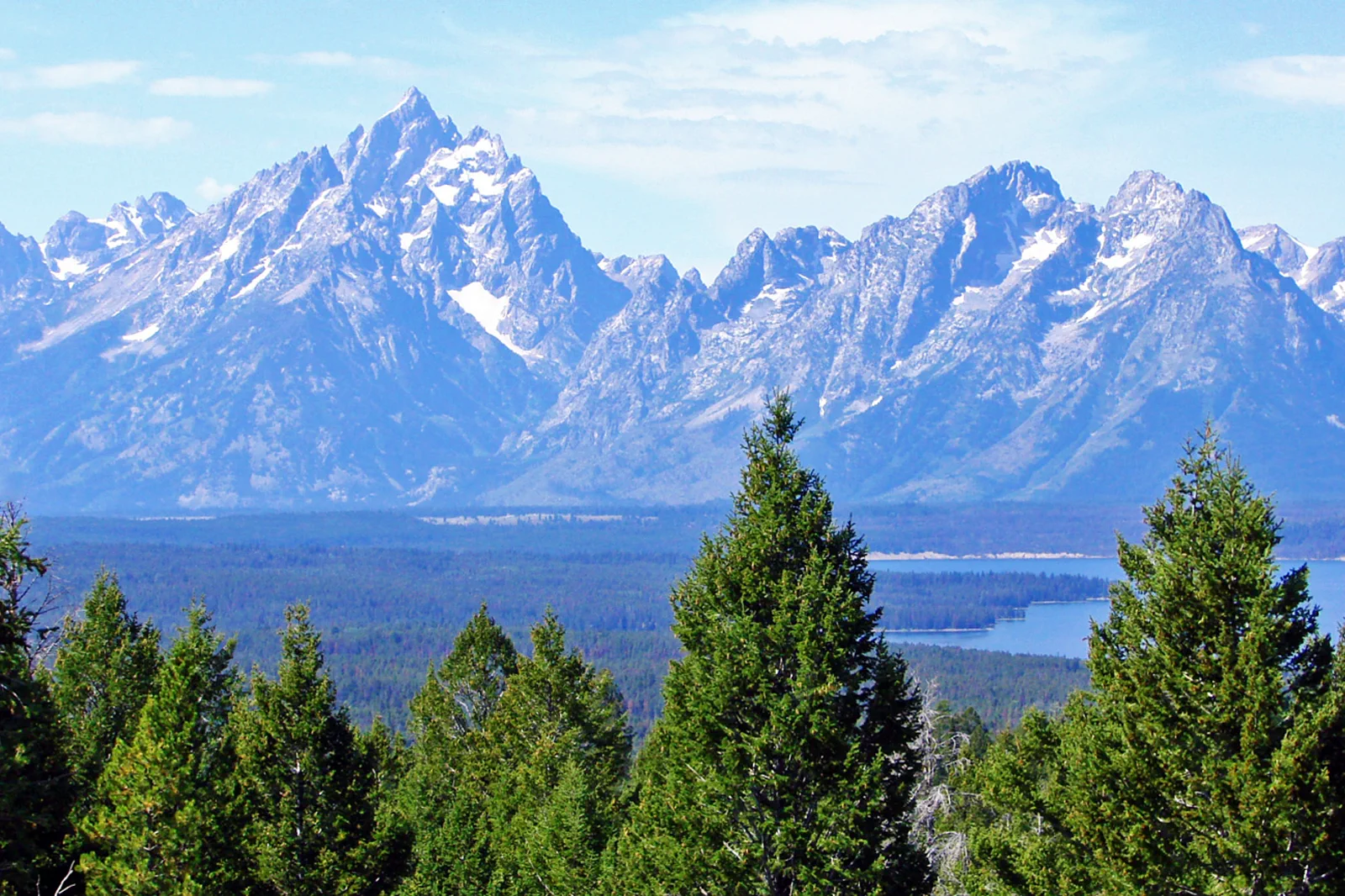
Open guide →Grand Teton & Jackson
Grand Teton offers mountain views, lakes and substantial hiking, with Jackson as one possible gateway. A scenic roadside visit can stand alone; a boat crossing or mountain trail adds separate schedules and preparation.
Open guide →The park name is too large to choose the accommodation
NPS: Yellowstone road status and seasonal access
NPS: Grand Teton visit planning
For a shorter trip, reduce the geographic range before reducing every stop to a photograph. A western Yellowstone stay with one substantial basin day can be more useful than a single hotel followed by repeated long crossings. For a longer journey, a change of base can shorten later days, but the move itself needs luggage, fuel, food and arrival time.
Build the stay from complete days, not one Grand Loop checklist
Settle near the first main interest
Arrive at the booked base, organize food and the next road approach, and use a nearby open visitor facility if there is time. A late arrival is not the start of a full thermal-basin circuit. Keep any short first look close enough that the return remains straightforward.
A thermal day with one principal basin
Use the Old Faithful area for interpretation and a selected Upper Geyser Basin walk. Add Midway or another basin only when parking, conditions and remaining time support it. An eruption prediction should shape a flexible visit rather than create a series of deadlines across the park.
Canyon and Hayden, or a separate northern wildlife day
From an appropriate base, choose the canyon rim and Hayden Valley as one planning idea. Lamar belongs to a northern road day, not an automatic final extension of every canyon visit. Wildlife observation needs patient time and a legal stopping place, not a promise to deliver a particular animal.
Move to the Teton portion deliberately
Give the transfer its own time and use only an open, confirmed connection. Once settled, choose a Jenny Lake day or another specific Teton interest. A lake walk after a full day of Yellowstone driving should be optional, not necessary to make the itinerary feel complete.
These are editorial day shapes rather than an operator schedule. With limited days, choose fewer of them. With more time, revisit a selected area or add a properly prepared walk instead of assuming another distant landmark is always the best use of the day. The value of staying longer is the chance to notice differences, not merely to collect more road miles.
Summer photographs do not describe every season
Yellowstone publishes the status of individual road segments and seasonal opening arrangements. Check the actual entrance and onward road near departure. A hotel accepting a booking does not establish that the park road you intended to use is open, and a winter visit has a different transport system from a summer self-drive itinerary.
NPS: Yellowstone road status and seasonal access
Grand Teton has its own construction and access notices. Keep those separate from Yellowstone information, particularly for named historic sites and parking areas. A permit restriction for a particular event is not necessarily a closure to all visitors; read the affected activity and location rather than generalizing from a headline.
NPS: Grand Teton construction and affected access
Reserve the particular accommodation or activity directly under its current terms. Park admission, a room, a campground and a boat service answer different questions. Keep meals and supplies tied to confirmed facilities: the presence of a building on a map is not proof that its kitchen or shop operates on the travel date.
The observation distance is part of the experience
Yellowstone’s current safety guidance requires at least 100 yards (91 metres) from bears, wolves and cougars, and at least 25 yards (23 metres) from other wildlife, including bison and elk. Those minimums do not permit disturbing an animal. If its behavior changes because of your presence, give it more space and follow ranger directions.
NPS: Yellowstone wildlife distances and thermal-area rules
Use a legal pullout and keep traffic lanes clear. A crowd beside the road is not permission to approach, surround or feed wildlife. Bring the landscape into the observation too: a river bend, meadow and forest edge can explain the place even when the hoped-for species does not appear.
At thermal areas, remain on designated trails and boardwalks. Do not test the ground, touch thermal water or leave the route for a clearer photograph. Choose a shorter suitable boardwalk visit when the group needs it; the accessible approach and current surface should be confirmed for the specific basin rather than inferred from a general park description.
Before the park day
Can one Jackson hotel cover every Yellowstone day comfortably?
Do not assume so. Choose the actual roads and daily destinations first. A separate Yellowstone base often changes the amount of repeated driving, while Jackson belongs naturally to the Teton portion.
Is a wildlife stop successful only if we see a bear?
No. There is no guaranteed sighting. A worthwhile visit can include landscape observation and interpretation while keeping the required distances and a realistic return.
References, review and image credits
Source information checked on 11 September 2026. Route order, comparisons and suggested pacing are TripDistill editorial judgments; they are not official operator itineraries.
- NPS: Yellowstone road status and seasonal access
- NPS: Grand Teton visit planning
- NPS: Grand Teton construction and affected access
- NPS: Yellowstone wildlife distances and thermal-area rules
- Yellowstone Geyser Basins — Dietmar Rabich, CC BY-SA 4.0. Resized, display-cropped and converted to WebP; no other material edits.
- Yellowstone Canyon & Wildlife Valleys — Roger Sylvia, CC BY-SA 3.0. Resized, display-cropped and converted to WebP; no other material edits.
- Grand Teton & Jackson — Don Graham from Redlands, CA, USA - God bless it!, CC BY-SA 2.0. Resized, display-cropped and converted to WebP; no other material edits.
Editorial review: 11 September 2026. Check current official information before travel.