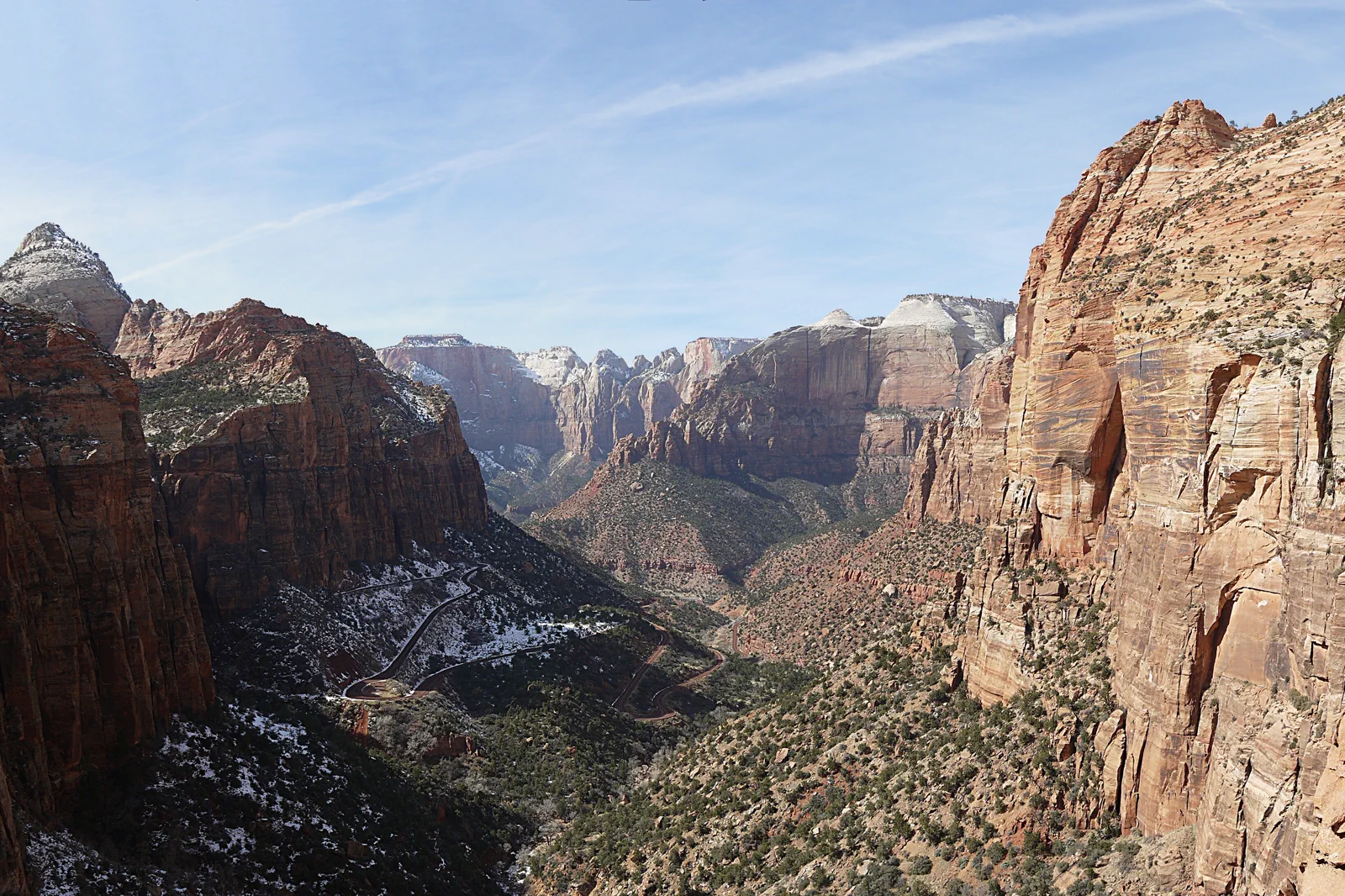
Zion Canyon / A shuttle day at ground level
Let the canyon
be enough.
A river-side path and time beneath the walls make a real Zion visit. The Narrows and Angels Landing are separate choices, not compulsory upgrades to an ordinary canyon day.
Springdale brings you to the park; the park shuttle goes up the canyon
NPS distinguishes the Springdale town service from the Zion Canyon shuttle. The town route connects to the pedestrian entrance area; the park route begins at the Zion Canyon Visitor Center. Check both current timetables when the hotel-to-park journey uses them. They are connected parts of a day, not one bus that serves every hotel and trailhead.
NPS: Zion Canyon and Springdale shuttle rules
The park shuttle needs no reservation or separate ticket. During shuttle season, private vehicles are restricted on the Zion Canyon Scenic Drive, including before the first and after the last shuttle. Do not interpret an early arrival as permission to drive the closed visitor route. Park admission remains a separate requirement.
Pa’rus and Riverside Walk answer different interests
NPS: Pa’rus Trail and the museum connector
NPS: Riverside Walk versus entering the Narrows
The river corridor is more than a route to a famous photograph. Look at how water, vegetation and the canyon walls relate, using the park’s interpretation to understand what is visible. Keep to the public path instead of moving onto fragile or restricted ground for a different angle.
Visitor center → one chosen route → a deliberate return
Start with current information and the correct queue
Check the day’s conditions and actual open stops. If using the canyon shuttle, board from a permitted northbound stop rather than assuming every stop allows every direction. Choose the principal walk before riding farther.
Give the selected path enough attention
For Pa’rus, choose a comfortable portion and return. For Riverside Walk, make the land trail the outing, with time to pause and observe the narrowing setting. The route does not need to continue beyond the point where the group remains comfortable.
Take a permitted food and rest break
Keep eating and drinking arrangements within park rules and the actual facilities available. A meal should not require leaving the canyon and returning for one more small stop simply because the plan was not considered earlier.
Return with time for the town connection
Leave the canyon while the onward hotel journey still works. An optional stop is the part to remove when the day takes longer than expected, not the margin for the last shuttle or the group’s energy.
This sequence is an editorial framework, not an official guided itinerary. A shorter visit can remain near the visitor center and lower canyon; a full day can give the chosen route more time. Do not measure the experience by how far up canyon the group traveled.
A famous route is a separate commitment
Angels Landing uses a permit system for the section beyond Scout Lookout. Read the current NPS requirements and suitability information if that is the actual purpose. This ground-level guide does not recommend replacing a missed permit with another unfamiliar exposed route.
NPS: Angels Landing permits and route distinction
Entering the Narrows means a river-based undertaking with its own current conditions, equipment and safety assessment. It is not simply the last part of Riverside Walk under another name. Check the official information rather than following others into the water because the land path ended.
NPS: Riverside Walk versus entering the Narrows
Seasonal shuttle changes, heat and storm conditions can alter the day. Keep a shorter permitted version and confirm the return close to travel. If a particular route is unsuitable, a lower-canyon visit with interpretation can still be worthwhile without trying to reproduce the same photograph somewhere less familiar.
Choose the next park deliberately
Do I need a ticket for the park shuttle?
NPS says no separate ticket or reservation is required for the shuttle. Park admission and permits for specific activities are different matters.
Does Riverside Walk require continuing into the Narrows?
No. The land-based walk can be the complete outing. Entering the river is a separate decision with different preparation and current-condition requirements.
Choose another Utah park day
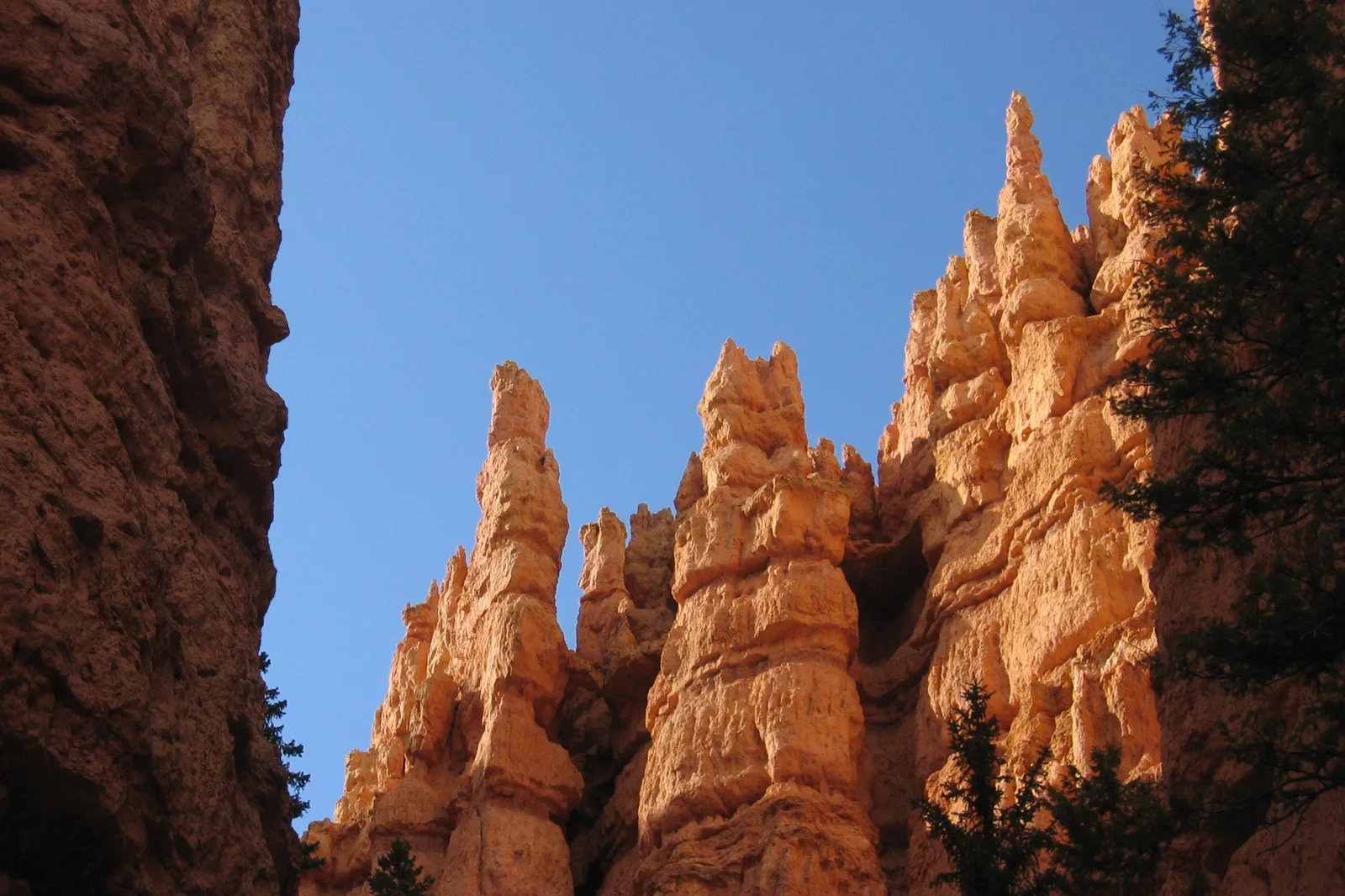
Bryce Canyon
Bryce’s high rim can be cold and windy while descents require a climb back out. Viewpoints provide a complete introduction, and a short trail should be selected according to current ice, heat and personal ability.
Open guide →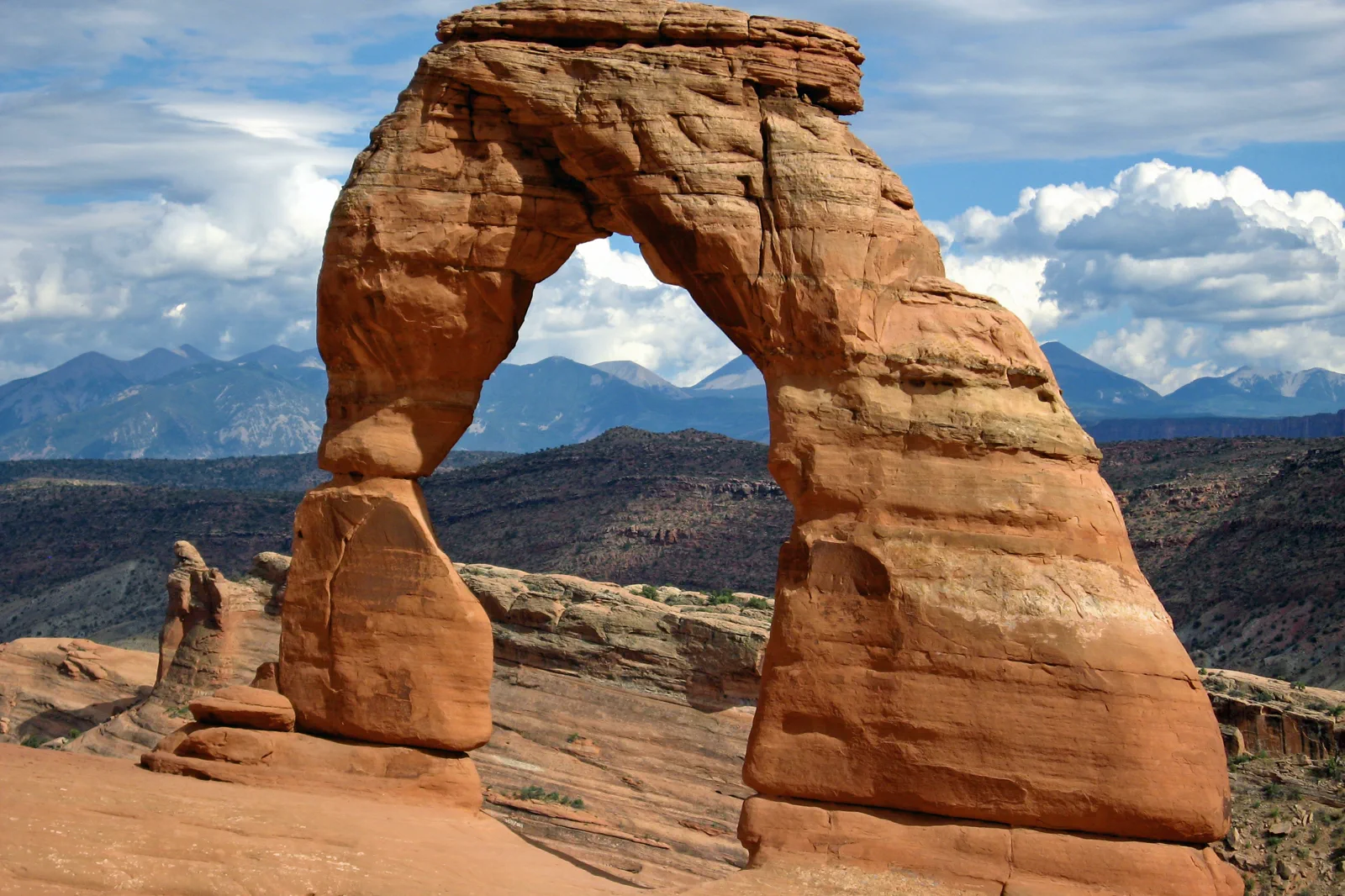
Moab, Arches & Canyonlands
Moab serves two major parks with separate entrances and different distances. Arches viewpoints and Canyonlands’ Island in the Sky can each fill a day, while remote sectors require another level of preparation.
Open guide →References, review and image credits
Source information checked on 11 September 2026. Route order, comparisons and suggested pacing are TripDistill editorial judgments; they are not official operator itineraries.
- NPS: Zion planning and current access
- NPS: Zion Canyon and Springdale shuttle rules
- NPS: Pa’rus Trail and the museum connector
- NPS: Riverside Walk versus entering the Narrows
- NPS: Angels Landing permits and route distinction
- Zion Canyon — Óðinn, CC BY-SA 2.5 ca. Resized, display-cropped and converted to WebP; no other material edits.
- Bryce Canyon — “Jon Zander( digon3 )”, CC BY-SA 3.0. Resized, display-cropped and converted to WebP; no other material edits.
- Moab, Arches & Canyonlands — Thomas Schoch, CC BY-SA 3.0. Resized, display-cropped and converted to WebP; no other material edits.
Editorial review: 11 September 2026. Check current official information before travel.