White Mountains & Vermont / Two overnight regions
The scenic road
is already an activity.
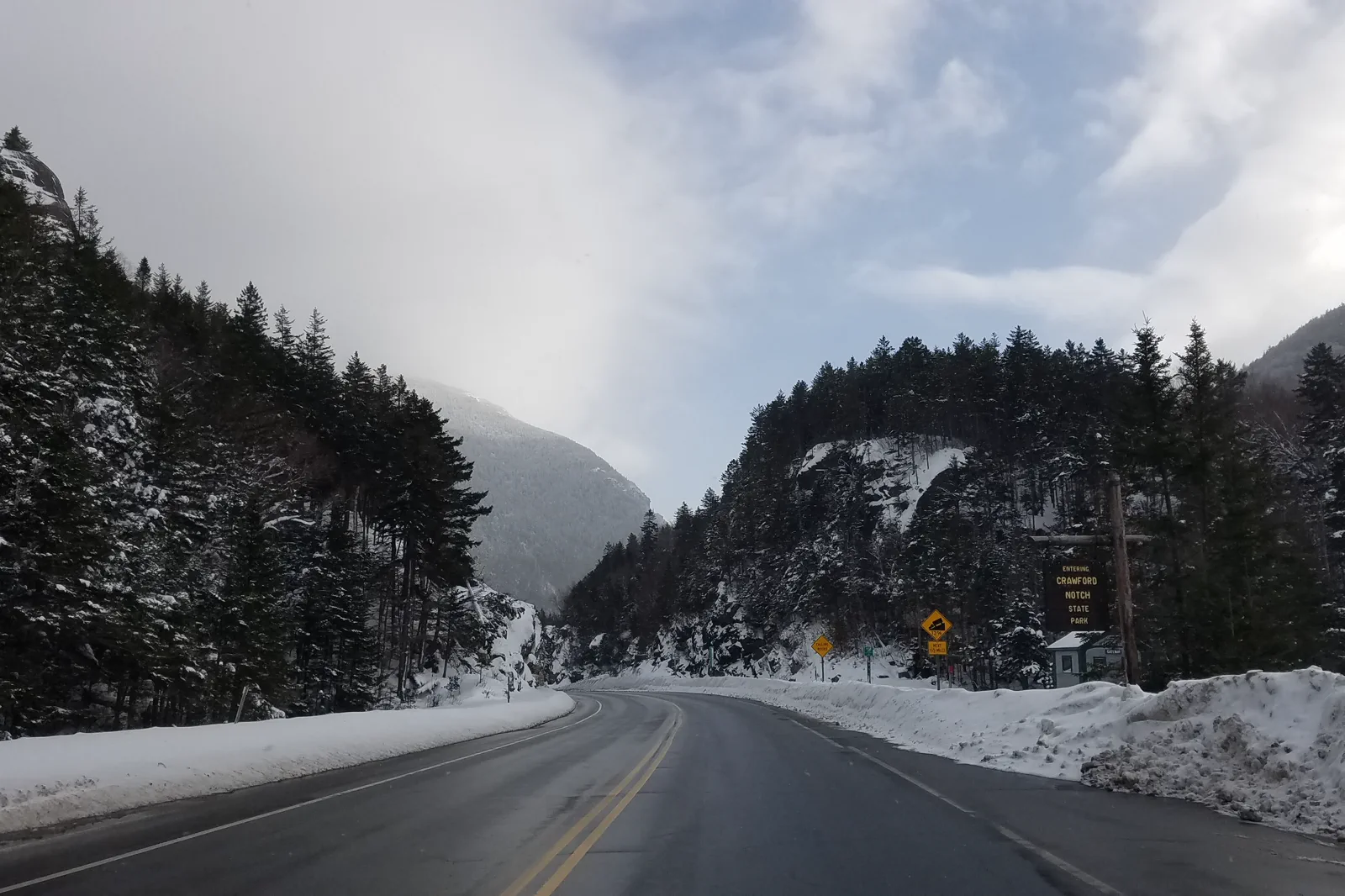
A viewpoint, a short walk and a village pause can fill a day. Crossing the mountains and continuing into Vermont is a transfer, not the empty space between two hikes.
Conway and Lincoln support different first mornings
Eastern side · Conway / North Conway
Compare this side when your first plan begins around the eastern White Mountain approaches. The trade-off is the drive required for western objectives. A hotel with a mountain name does not eliminate the crossing; use the actual route to your first stop before booking.
Western side · Lincoln / Franconia area
Compare this side for a western approach and a route that begins near Lincoln. The trade-off is a different journey to eastern stops. You do not need a second hotel just to see the other side if the crossing itself is a planned day, but you should not append it after an exhausting outing.
Vermont base · A separate stay
Choose a Vermont town for the part of the trip you will actually explore there. A Stowe / Waterbury plan is different from a southern Vermont plan. Move accommodation when it improves the route, not because collecting another state on the same afternoon looks efficient.
Keep the first morning simple: breakfast, the current route information and the selected outing. A late arrival followed by a long scenic drive and a major hike is not a gentle start merely because the hotel has a view. Plan fuel or charging, a meal and the return before leaving the valley services.
Build a Kancamagus day around selected stops
The Forest Service identifies the Kancamagus Scenic Byway as a route through the White Mountains. Treat the drive between the Conway and Lincoln sides as the main framework, with a few stops rather than an obligation to pull into every turnout. The road’s scenery is part of the visit; adding a long hike can turn a relaxed drive into an entirely different day.
Before the crossing · Choose direction and finish
Start from the side that fits your accommodation, confirm current road conditions and decide where the day ends. If you will finish at a different overnight base, pack and plan accordingly. If returning to the same hotel, include the return driving instead of counting only the scenic outbound portion.
A designated viewpoint · Stop legally
Use a marked parking or viewpoint area and keep the road clear. If a turnout is full, continue to another permitted stop rather than waiting in the traffic lane or using a narrow shoulder. Autumn color does not change road rules or turn private property into public parking.
A selected short walk · Check the actual path
Choose one maintained route whose current surface, gradient and conditions suit the group. A waterfall name does not establish an easy approach to every viewing point. If the path is wet, icy or closed, keep the stop shorter or omit it; the drive does not require a walk to be worthwhile.
A meal and the return · End before fatigue
Stop where food and facilities are actually available, then complete the planned crossing or return. Do not begin an additional mountain road because there is still daylight if the group has already spent the day driving and walking. Leave the higher objective for a day designed around it.
Move to Vermont, then slow down again
Use the actual overnight address to choose the transfer, not a generalized “Vermont” destination. The state tourism office describes Route 100 as a scenic corridor linking towns including Waterbury and Stowe. That makes the corridor useful for a focused stay, not a requirement to cover every mile. Choose a village and a few nearby stops, leaving time to get out of the car without repeatedly losing the day to a longer detour.
Vermont Tourism: scenic byways
Stowe / Waterbury · A limited northern corridor
Choose this when a village base, food stops and nearby outdoor options fit your interests. Select the actual outing before following a scenic road into a higher or narrower section. A road shown in a summer itinerary may have seasonal restrictions, and an attractive detour should not override your vehicle or weather constraints.
A village-focused day · No summit required
Spend time in the town, choose a local food or cultural stop that is actually open, and add a modest permitted walk if desired. This gives the trip substance even when mountain views are obscured. Keep farm entrances and residential lanes out of an improvised photography route.
A longer outdoor day · Replace the road circuit
If a substantial hike is the main interest, build the day around its current route and conditions, with a suitable return and enough daylight. Do not also promise a leisurely circuit through several towns. The choice is between two good kinds of day, not between success and failure.
Choose the low-level alternative before the weather changes
Mountain conditions can differ substantially from the valley where you ate breakfast. Check the relevant land manager and forecast for the actual outing, not only the town’s temperature. An exposed route, a waterfall approach and a village street require different decisions. If conditions remove the higher plan, use a lower-level stop that is itself suitable; do not assume that any alternative is safe merely because it is lower.
In autumn, build spare time into driving and avoid guaranteeing peak foliage for a fixed date. In winter or shoulder seasons, verify road and facility operations before leaving the main route. Respect temporary closures and do not follow a navigation shortcut onto a road whose status or suitability you have not checked. Offline directions are useful, but they do not override signs on the ground.
For a shorter stay, keep one mountain base or one Vermont corridor. For reduced walking, choose legal viewpoints and accessible facilities that have been confirmed for the particular visit. The most useful plan is the one you can carry out comfortably and return from, not the one with the greatest number of named mountain roads.
Before choosing the overnight stop
Can I cross the White Mountains and explore Vermont in one day?
You can make an onward transfer, but that is not the same as a full mountain outing and a full Vermont day. Keep stops limited and place the deeper Vermont visit after an overnight stay.
Do I need to reserve every stop?
No single rule covers roads, parks, private attractions, accommodation and activities. Book the overnight and any constrained operator experience, then use current land-manager information for the public route. Do not interpret an unreserved viewpoint as guaranteed parking.
Choose the next regional chapter
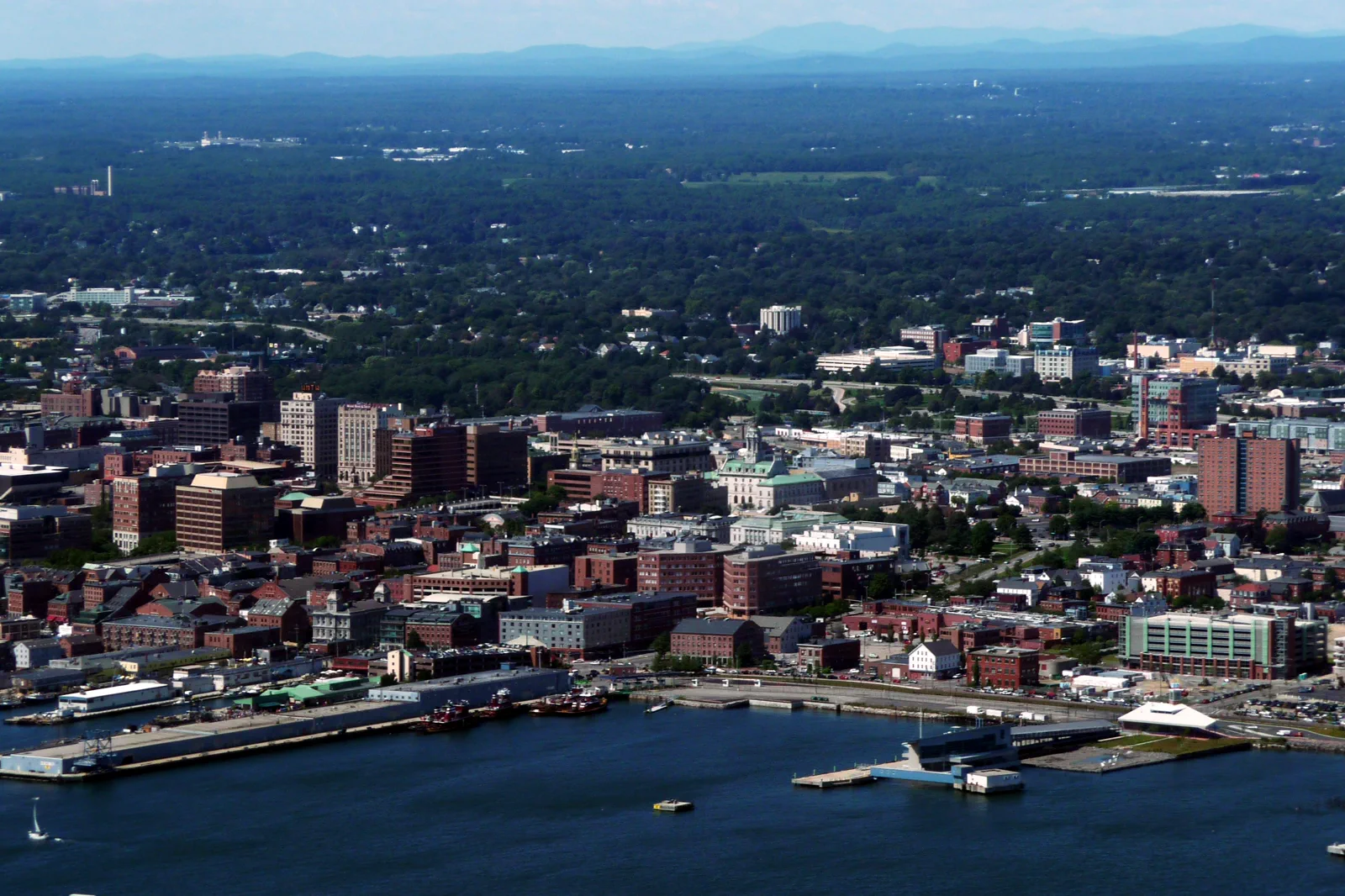
Portland, Maine & Casco Bay
Portland pairs a compact working waterfront with island ferries and a regional food scene. The Old Port is not the same outing as a distant lighthouse circuit, and ferry choice determines whether you are visiting an island or simply enjoying the crossing.
Open guide →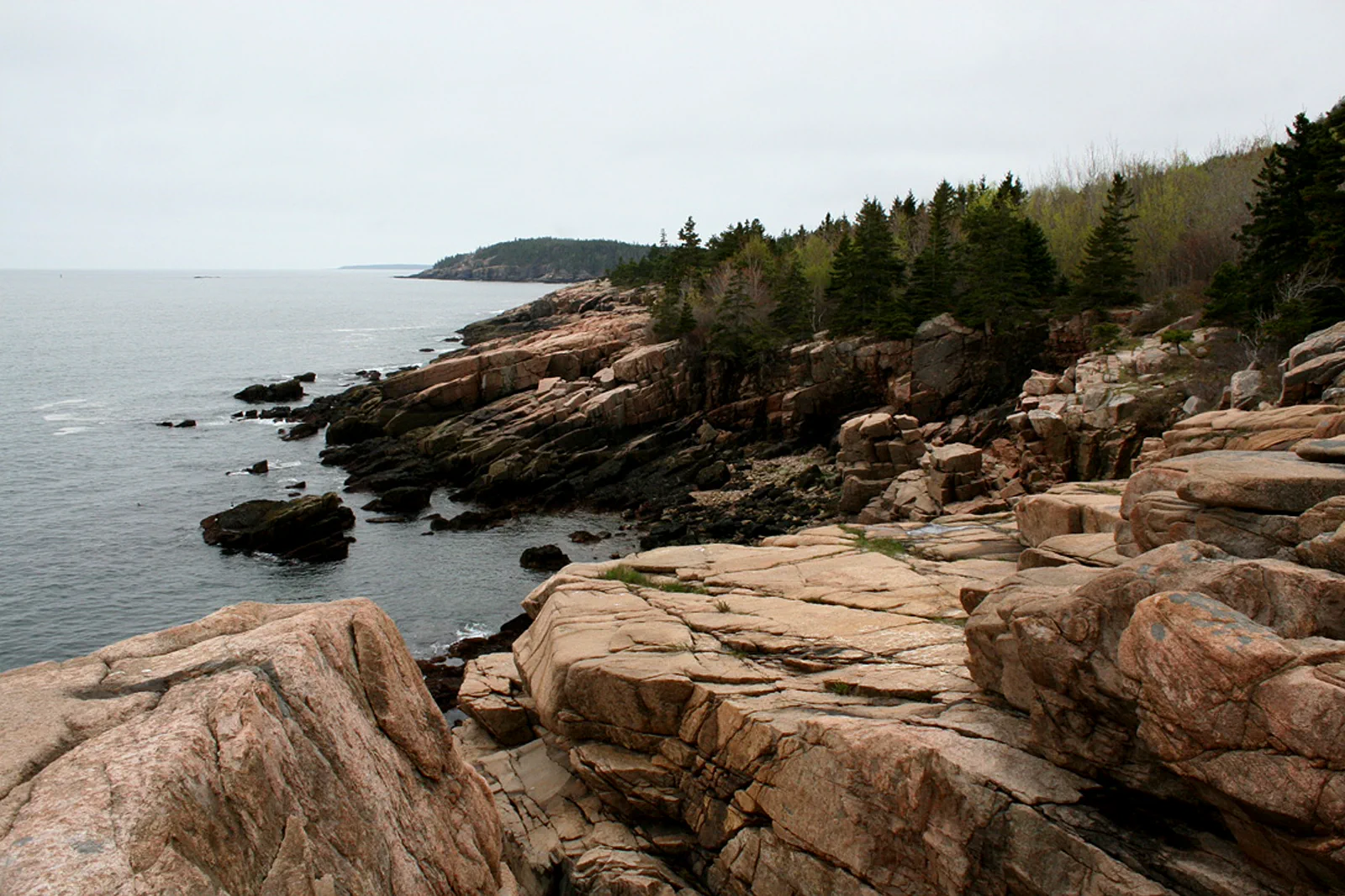
Acadia & Mount Desert Island
Acadia offers rocky shore, carriage roads and mountain viewpoints, but the park and Bar Harbor can be busy in different ways. Choose a walking or scenic-driving priority and check which roads, shuttles and reservations apply to it.
Open guide →References, review and image credits
Source information checked on 11 September 2026. Route order, comparisons and suggested pacing are TripDistill editorial judgments; they are not official operator itineraries.
- U.S. Forest Service: White Mountain scenic drives
- Vermont Tourism: scenic byways
- Vermont Tourism: Stowe and its surrounding roads
- Portland, Maine & Casco Bay — Alex Boykov, CC BY-SA 3.0. Resized, display-cropped and converted to WebP; no other material edits.
- Acadia & Mount Desert Island — Dshadoe, CC BY-SA 3.0. Resized, display-cropped and converted to WebP; no other material edits.
- White Mountains & Vermont Roads — Ascended Dreamer, CC BY-SA 4.0. Resized, display-cropped and converted to WebP; no other material edits.
Editorial review: 11 September 2026. Check current official information before travel.