Yellowstone canyon & wildlife valleys / Choose the road day
A river cuts the canyon.
Distance shapes the visit.
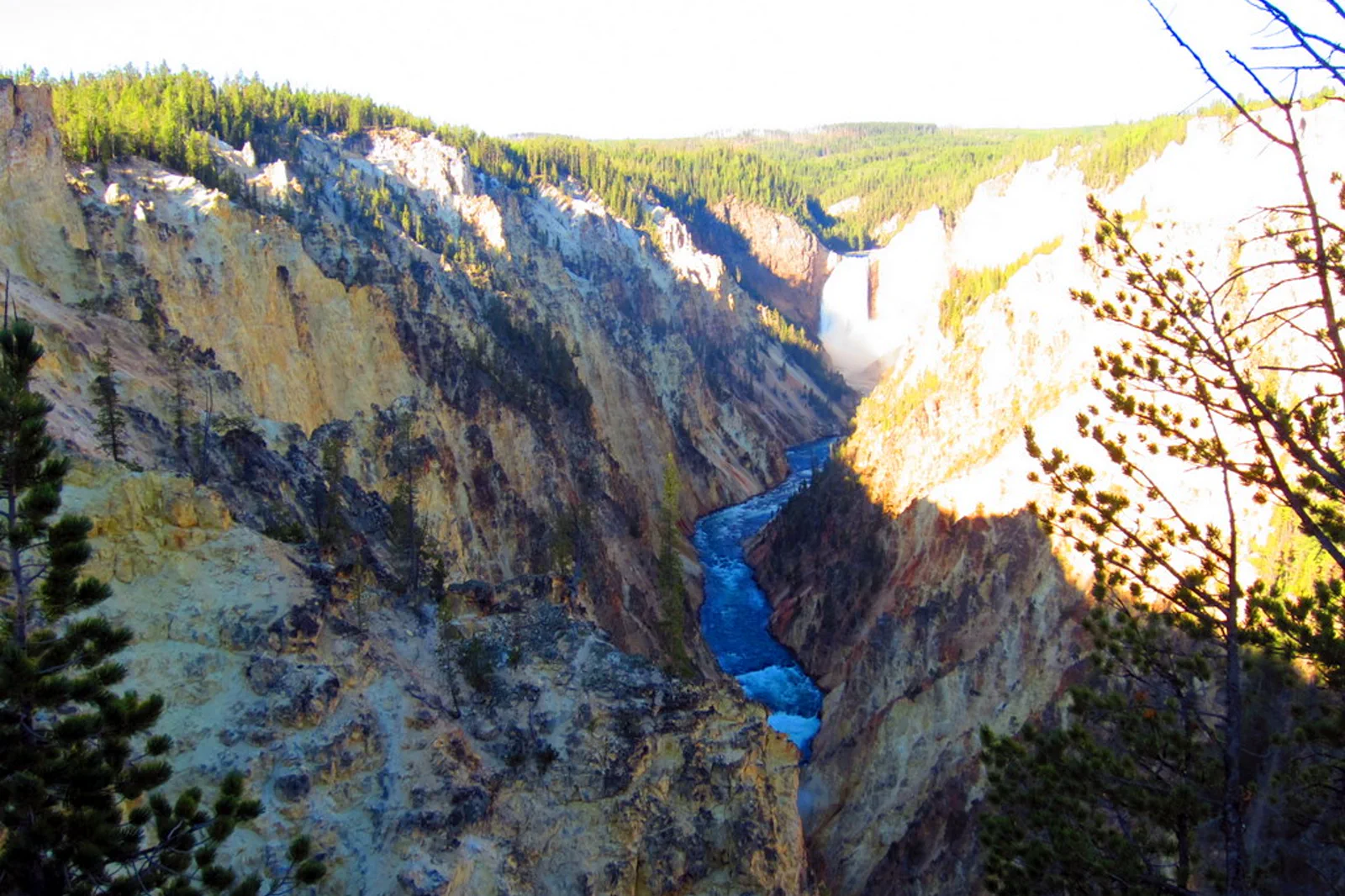
Canyon viewpoints and Hayden Valley can form one selective day. Lamar is a different northern outing, with its own base, observation time and return.
Do not treat Hayden and Lamar as interchangeable stops
NPS: Canyon Village, rim viewpoints and Hayden Valley
NPS: Yellowstone road status and seasonal access
The two valleys are places to observe, not guaranteed wildlife appointments. A morning or evening ambition must still work with the overnight base, road conditions and the group’s ability to drive comfortably. Do not write an early start into the plan without considering the journey needed to reach that starting point.
Artist Point and a brink trail are different visits
NPS identifies Artist Point on the South Rim and Lookout Point on the North Rim among the places to see the Lower Falls. The Brink of the Lower Falls Trail is another, more demanding approach. Choose the actual viewpoint and path rather than following a general waterfall label and discovering the walking commitment after parking.
NPS: Canyon Village, rim viewpoints and Hayden Valley
The Upper and Lower Falls are distinct features, and the canyon bends between them. A view of one should not be captioned as both. Use the official map and current trail information for the selected viewpoint; this guide is a planning comparison rather than turn-by-turn or surveyed accessibility guidance.
A canyon-led sequence with an optional valley portion
Canyon Village → current information
Confirm the chosen rim approach and any closure before setting out. Use the visitor education center when it supports the visit and is open; otherwise retain the verified viewpoint plan rather than assuming every facility follows the same hours.
One rim → a deliberate observation stop
Choose the North or South Rim emphasis first. Look at the falls within the canyon rather than using every stop as another quick camera position. Keep to designated viewpoints and barriers, with the actual return climb included in any trail choice.
Food and reassessment before Hayden
Use the supplies or confirmed facility already arranged. Decide whether a selected Hayden Valley portion still fits. A long wait for parking or a fuller museum visit should reduce the optional driving, not remove the meal and rest.
A legal valley stop → the booked base
Use an appropriate pullout without blocking the road. Observe the river, meadow and any wildlife from the required distance, then keep the full journey back. If no legal stopping place is available, continue rather than creating one in the traffic lane.
This is an editorial day shape, not a claim that every viewpoint and facility will be available. A weather or road change can make the canyon-only version the better day. A wildlife sighting is a bonus within the plan, not a reason to abandon the known return or drive repeatedly between distant valleys.
Give the northern valley its own time
Use the current park road information for the route from the actual northern base toward Lamar. Select a portion that works with the open road and the return; a map showing a through route is not proof of current access. Keep food, fuel and essential supplies arranged before relying on an unconfirmed remote facility.
NPS: Yellowstone road status and seasonal access
A worthwhile observation stop involves waiting and looking over the landscape, preferably with optical equipment rather than moving closer. If a species does not appear, the valley has not failed to deliver a scheduled attraction. Avoid following other visitors off the designated public route or treating a distant animal as an invitation to cross the meadow.
If the purpose is a guided wildlife visit, choose an authorized operator and read the actual pickup, duration, equipment and cancellation terms. A general Yellowstone sightseeing trip may not provide the same amount of stationary observation. No booking should promise that a free-ranging animal will appear at a specific place.
A crowd does not replace the park’s rules
Yellowstone requires at least 100 yards (91 metres) from bears, wolves and cougars, and at least 25 yards (23 metres) from other animals, including bison and elk. Keep farther away when necessary to avoid disturbing wildlife and follow ranger directions. These rules apply to a roadside sighting as well as a planned stop.
NPS: Yellowstone wildlife distances and thermal-area rules
Do not approach, surround, feed or try to move an animal for a photograph. Keep the road usable and remain alert to the actual surroundings rather than looking only through a screen. If the animal comes closer, give it space in accordance with current park guidance; do not treat its approach as permission for a close encounter.
End the observation before the remaining drive becomes an exhausted finish. A selected canyon view and a patient, respectful valley stop can tell a richer story than a long list of places reached hurriedly. Leave another valley for another day when its road and base make sense.
Before the park day
Should I add Lamar after every canyon visit?
No. Compare the full northern approach and return from your base. Canyon and Hayden can form a separate day; Lamar deserves its own deliberate planning.
Does a busy roadside wildlife crowd make it safe to approach?
No. Required distances and non-disturbance rules still apply. Use a legal stopping place, follow ranger directions and do not block traffic.
Choose another park day
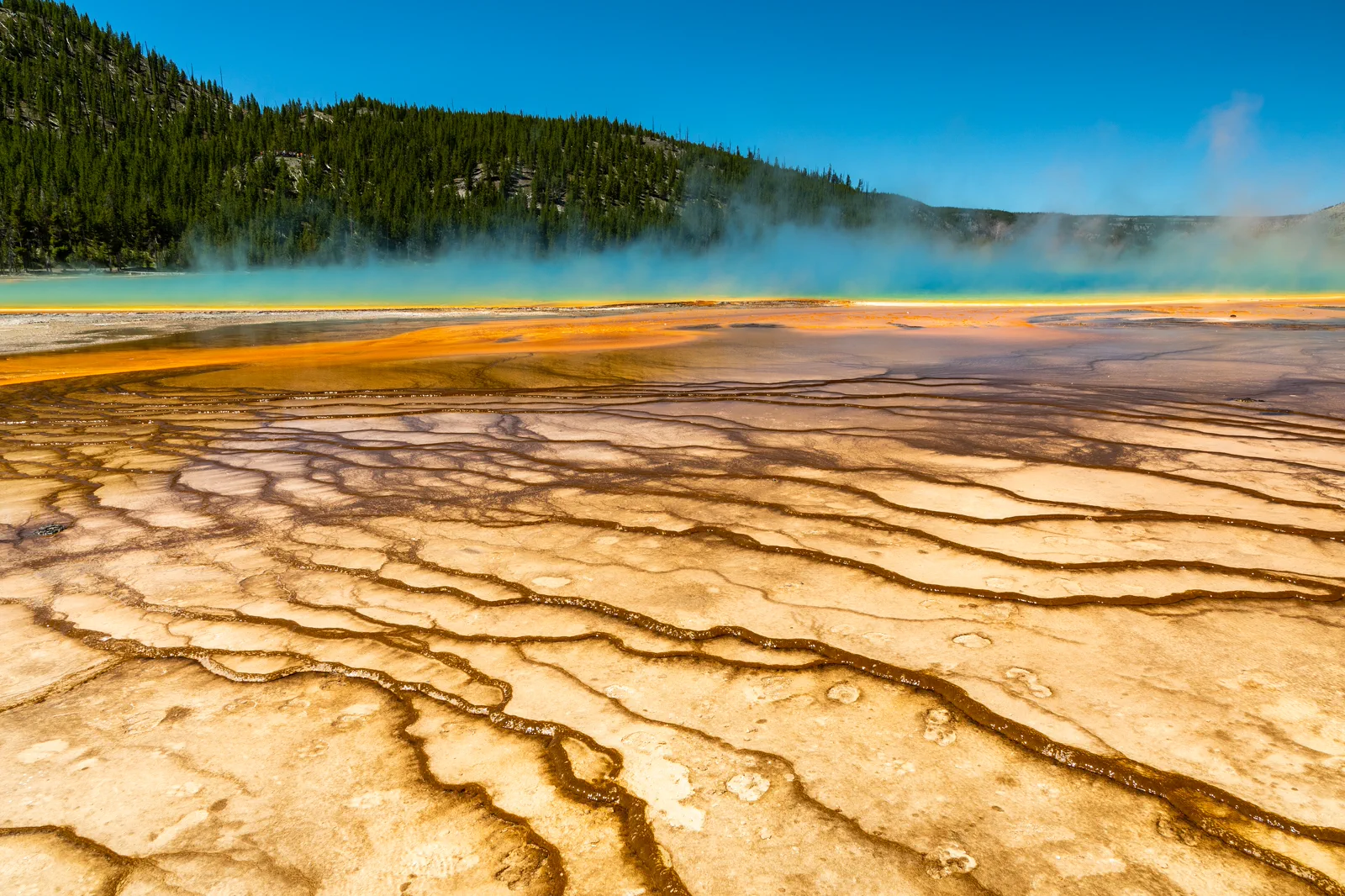
Yellowstone Geyser Basins
The geyser basins are fragile thermal landscapes, not ordinary walking terrain. Boardwalks provide access to dramatic features, and a predicted eruption should be treated as an estimate rather than a guaranteed appointment.
Open guide →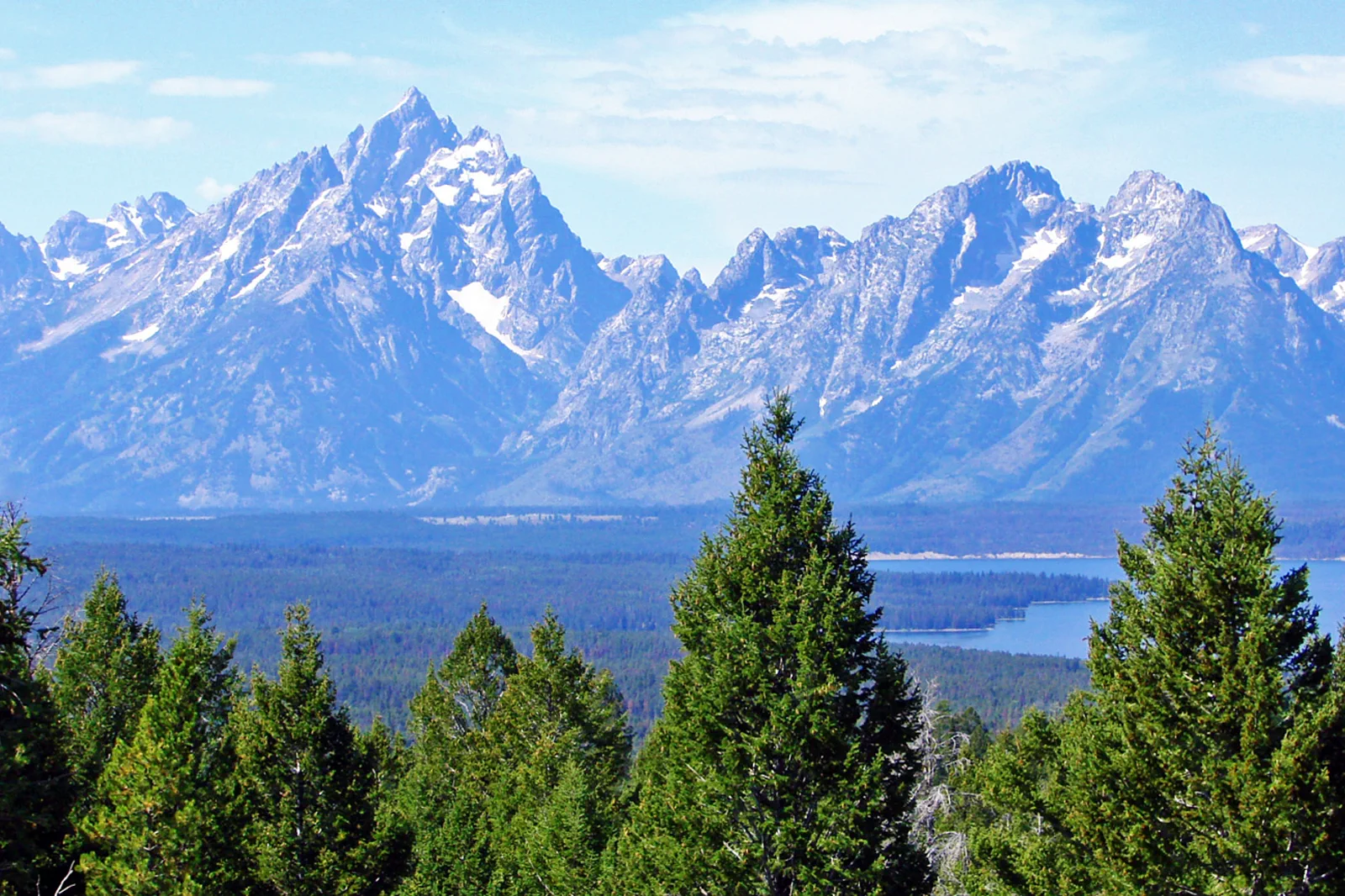
Grand Teton & Jackson
Grand Teton offers mountain views, lakes and substantial hiking, with Jackson as one possible gateway. A scenic roadside visit can stand alone; a boat crossing or mountain trail adds separate schedules and preparation.
Open guide →References, review and image credits
Source information checked on 11 September 2026. Route order, comparisons and suggested pacing are TripDistill editorial judgments; they are not official operator itineraries.
- NPS: Canyon Village, rim viewpoints and Hayden Valley
- NPS: Yellowstone road status and seasonal access
- NPS: Yellowstone wildlife distances and thermal-area rules
- Yellowstone Geyser Basins — Dietmar Rabich, CC BY-SA 4.0. Resized, display-cropped and converted to WebP; no other material edits.
- Yellowstone Canyon & Wildlife Valleys — Roger Sylvia, CC BY-SA 3.0. Resized, display-cropped and converted to WebP; no other material edits.
- Grand Teton & Jackson — Don Graham from Redlands, CA, USA - God bless it!, CC BY-SA 2.0. Resized, display-cropped and converted to WebP; no other material edits.
Editorial review: 11 September 2026. Check current official information before travel.