Smithsonian / Pick the subject before the building
Free entry.
Different addresses.
Different decisions.
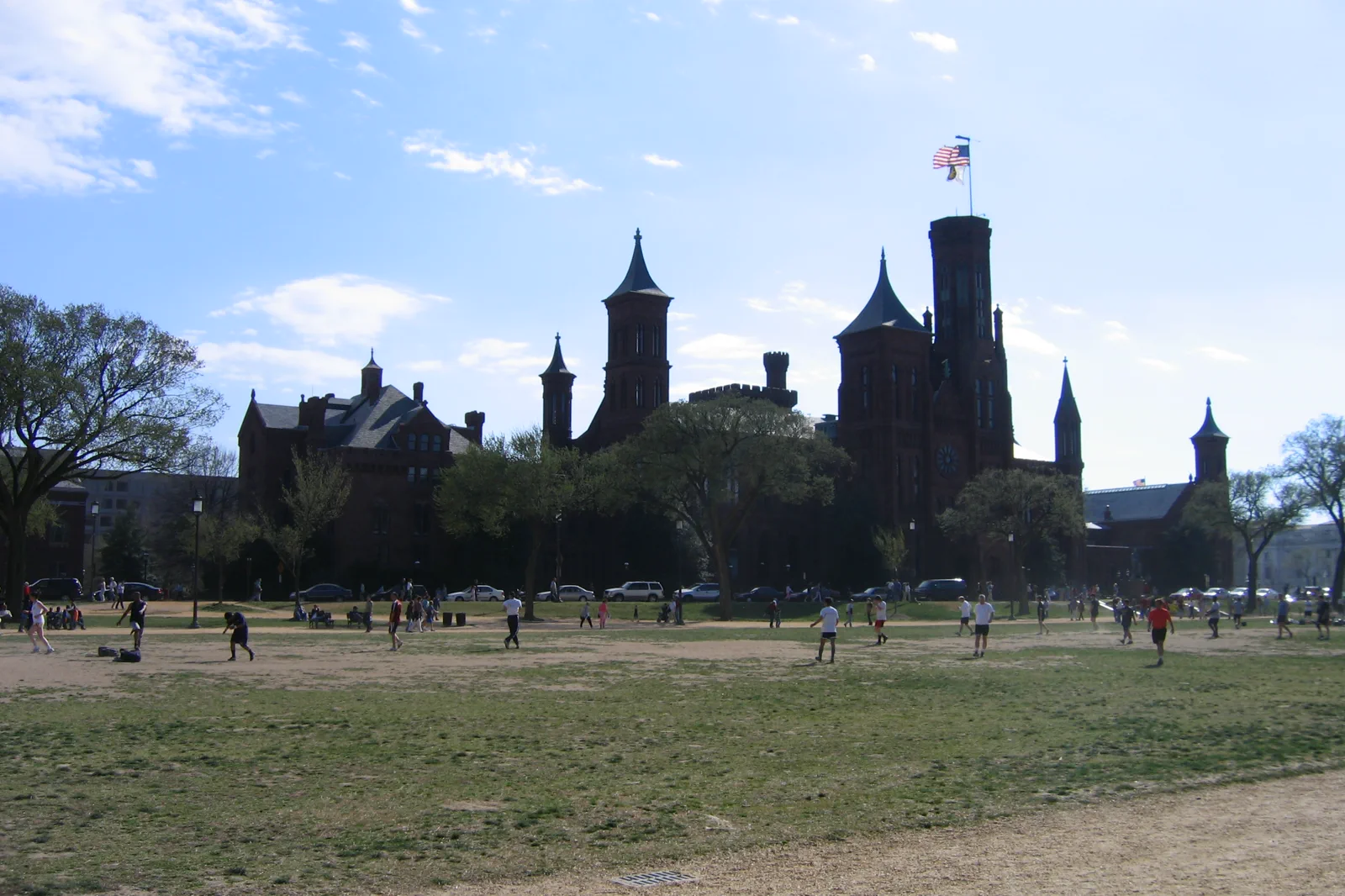
Choose the collection you want to think about
Smithsonian: museums, locations and current access
National Museum of African American History and Culture: visiting
National Air and Space Museum: Washington location and passes
Two concrete collection starting points
Natural History: Hall of Fossils — Deep Time
Natural History: Hope Diamond collection information
American History: Star-Spangled Banner exhibition description
The pass belongs to an institution, not to the word Smithsonian
Read the chosen museum’s current entry page, not only the Smithsonian’s general free-admission statement. A timed pass, special activity and security screening are different requirements. Save the booking and verify the entrance and arrival conditions. If one institution has no suitable slot, choose another subject deliberately rather than buying an unofficial product on the assumption that it provides general priority entry.
The Smithsonian’s visitor page currently lists the Castle as closed for renovation. Its recognizable exterior remains an orientation landmark, not proof that you can walk inside for visitor services. Plan directly for the museum you intend to enter. Likewise, the Air and Space Museum in Washington and the Udvar-Hazy Center near Dulles need different travel plans; a shared institutional name does not make them adjacent galleries.
A museum-led day with a modest second chapter
Before departure
Check the specific building’s date, entrance, screening and bag rules, and save the route from your actual station. Smithsonian station is not necessarily the closest or most useful stop for every Smithsonian institution. Use the address, not the umbrella name, in your journey plan.
Inside · Choose a thread
Start with the collection area that brought you here. Let a few objects and their interpretation carry the visit rather than trying to see every room in equal time. These guides do not promise that any named object is always on display; consult the museum’s current exhibit information for a must-see item.
Midday · Stop properly
Take a seated break and decide whether to eat inside or leave. Check any re-entry implications before heading out. If the group has finished concentrating, ending the museum visit is reasonable; do not turn free admission into pressure to stay until closing.
Afternoon · A short outdoor addition
Choose an immediate Mall section or a return toward your hotel rather than adding the farthest memorial. The outdoor part should fit the location of the museum you selected. If the weather is poor, omit it and preserve the energy for dinner.
Allow most of a usable day for one major collection and a modest addition when the subject matters to you. That is editorial pacing, not a prescribed duration or an assertion of a personally timed visit. A second museum can work when it is a genuinely short, selected interest, but two large collections should not be sold as a relaxed morning.
Capitol Hill: another institution, another appointment
The U.S. Capitol tour is not a Smithsonian museum visit. The Visitor Center recommends reservations and states that its tour does not include the House and Senate galleries. Read the official tour scope before booking; a general building tour is not a promise to watch legislative proceedings. Use the current visitor guidelines for arrival and prohibited items, particularly if carrying lunch, luggage or items allowed at another museum.
U.S. Capitol Visitor Center: tour reservations and scope
If the Capitol is the main objective, make it the fixed point and keep the rest of the day on the eastern side of the monumental area. A short nearby outdoor visit is a more coherent addition than crossing to Georgetown between appointments. If you combine it with a museum, leave time for the full street journey, a break and a new security process. Two free bookings can still create an expensive missed day if they are placed too close together.
For a rail arrival or departure at Union Station, include the station connection and luggage arrangement separately. Do not treat the Capitol Visitor Center as a station facility or assume a building tour provides bag storage. If the available booking forces a rushed connection, choose another time or another day.
Before setting out
Is every Smithsonian visit on the National Mall?
No. Institutions occupy different locations, and some share names across separate sites. Confirm the exact street address before arranging transport; the National Mall Air and Space Museum and Udvar-Hazy are the most important distinction for this plan.
Can I decide everything after arriving?
Some museums are more flexible than others, but popular timed-entry arrangements should be checked beforehand. Choose a viable first institution and keep the optional part flexible instead of arriving with several assumptions about free walk-in access.
Choose another Washington day
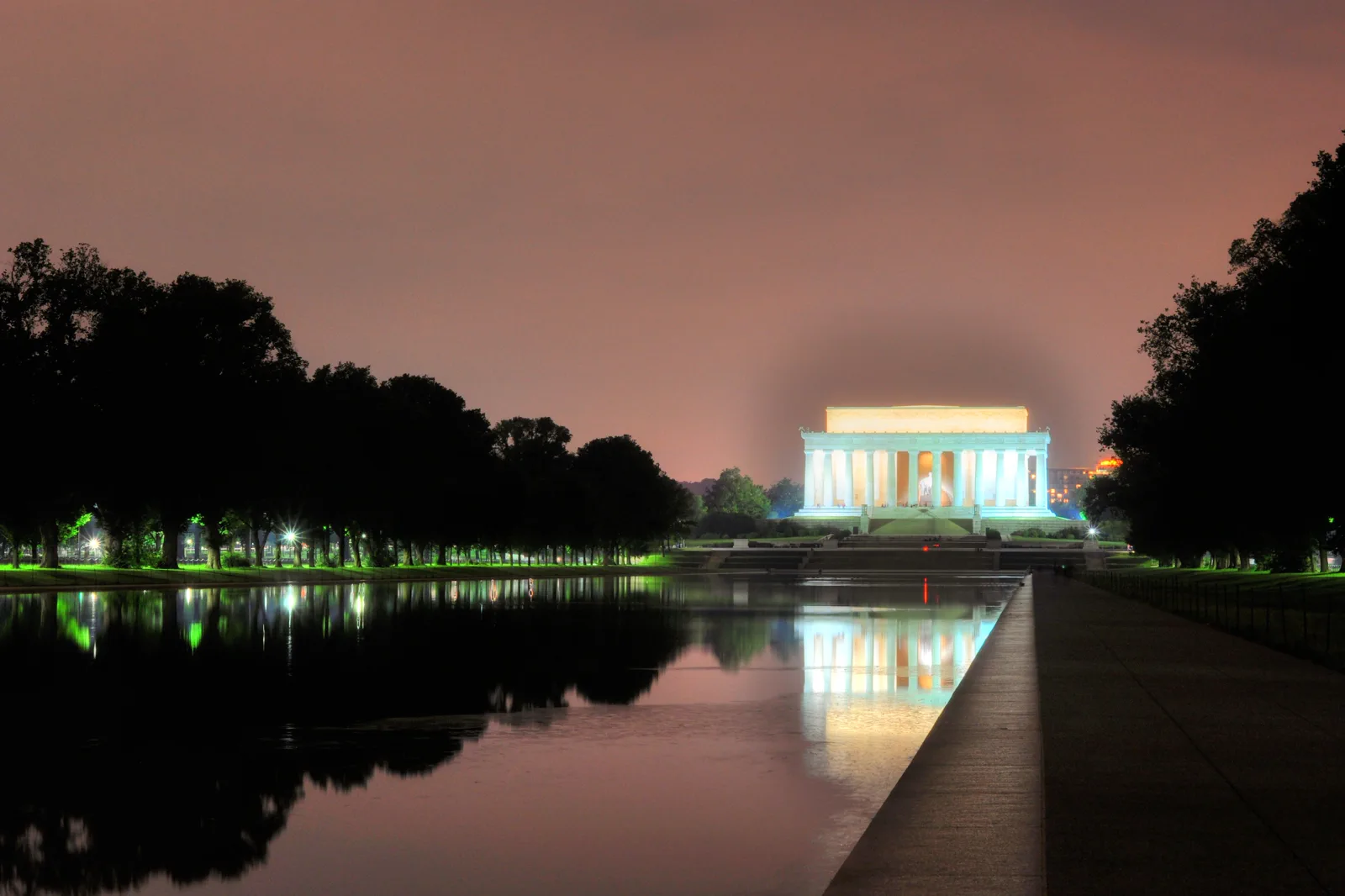
National Mall & Memorials
The Mall looks compact on a map but its memorials are separated by long walks in exposed conditions. Treat commemorative sites as places for reflection and plan water, shade and a transport exit before walking from end to end.
Open guide →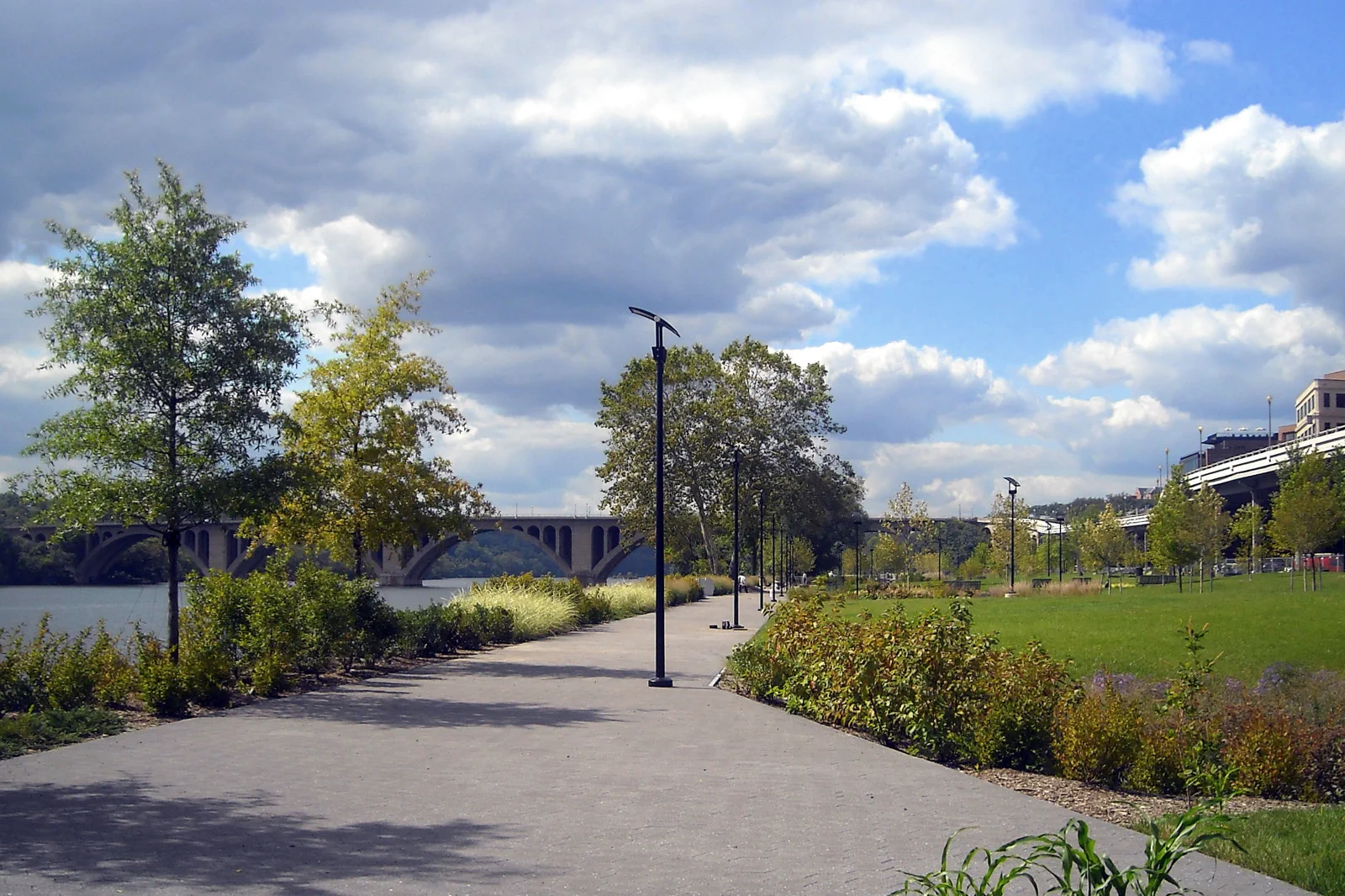
Georgetown & the Potomac
Georgetown offers historic streets, shops and a riverfront setting beyond the monumental core. Hills and the lack of a Metro station in the center make the last part of the journey worth planning, particularly for visitors with limited mobility.
Open guide →References, review and image credits
Source information checked on 11 September 2026. Route order, comparisons and suggested pacing are TripDistill editorial judgments; they are not official operator itineraries.
- Smithsonian: museums, locations and current access
- National Air and Space Museum: Washington location and passes
- National Museum of African American History and Culture: visiting
- U.S. Capitol Visitor Center: tour reservations and scope
- National Mall & Memorials — miketnorton, CC BY 2.0. Resized, display-cropped and converted to WebP; no other material edits.
- Smithsonian Museums & Capitol Hill — Andrew Bossi, CC BY-SA 3.0. Resized, display-cropped and converted to WebP; no other material edits.
- Georgetown & the Potomac — AgnosticPreachersKid, CC BY-SA 3.0. Resized, display-cropped and converted to WebP; no other material edits.
Editorial review: 11 September 2026. Check current official information before travel.