Freedom Trail / Choose your stopping point
Follow the red line.
Do not chase every door.
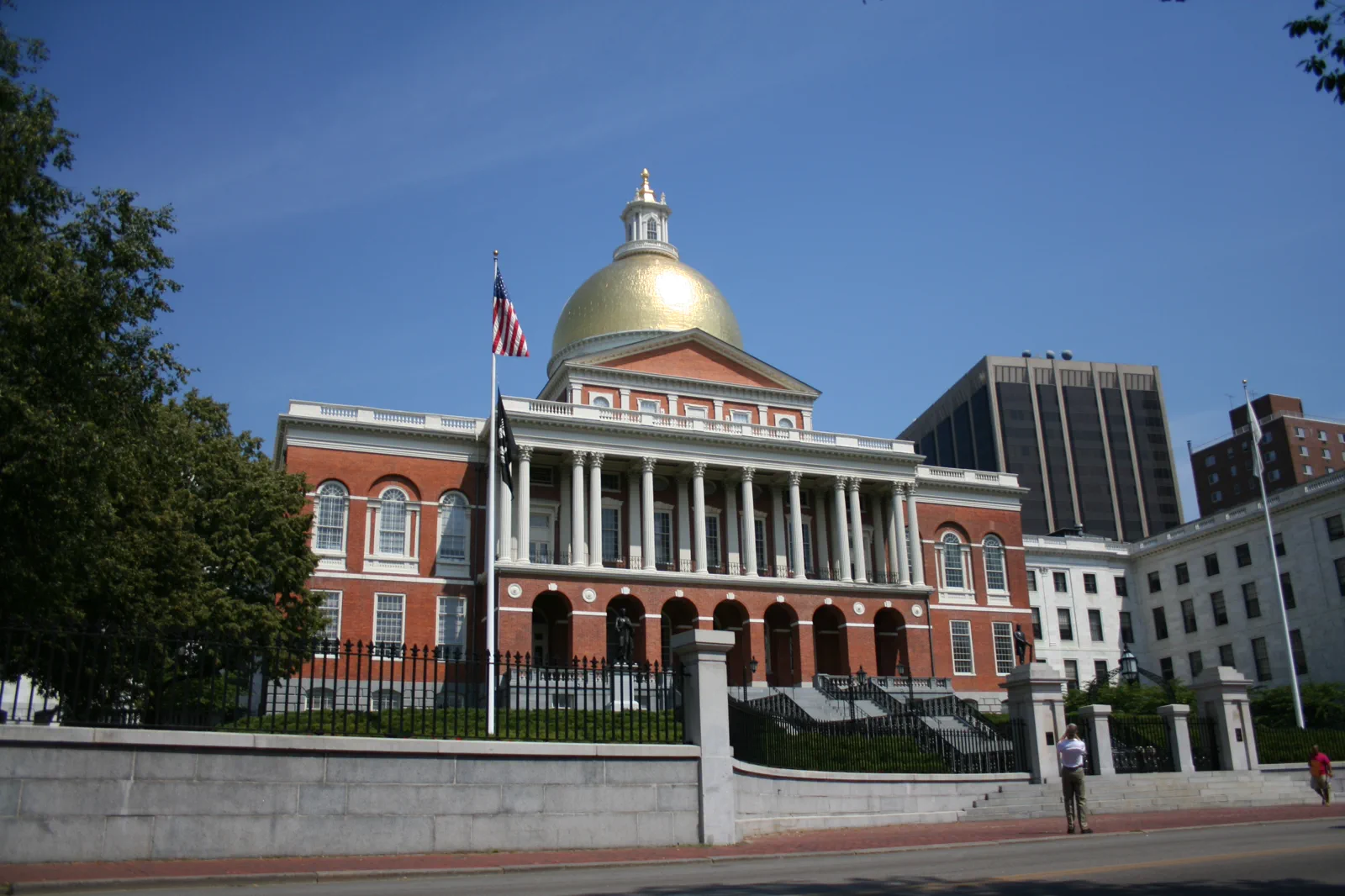
The useful question is not whether you can walk the trail. It is which stories you want time to enter, and where you want the day to end.
A connected trail is not one ticketed attraction
The National Park Service describes a 2.5-mile route connecting downtown Boston, the North End and Charlestown. That number is the trail length, not the total distance from your hotel, every museum interior, lunch and the return journey. A quick exterior walk and a day of historic-site visits therefore have very different requirements. Choose the final neighborhood first, then decide how much of the route belongs in this visit.
National Park Service: walking the Freedom Trail
Downtown only
Boston Common to the Old State House and Faneuil Hall gives a coherent first encounter with civic space, protest and public debate. Allow a half-day editorial block if you want an interior and a relaxed break.
Give up the North End and naval chapter today. You gain time to read and to distinguish the buildings rather than treating each as a photograph.
Downtown plus North End
Continue to the Paul Revere House area and Old North Church, with lunch as the break between the civic and neighborhood parts of the story.
This is the recommended selective walking day, not a promise of admission everywhere. Paid interiors and queues can use the time reserved for the final extension.
Continue to Charlestown
Add the river crossing and choose the Navy Yard or Bunker Hill as the main final objective. Make this the day’s substantial extension.
Do not make a monument climb and a ship visit compulsory at the end of an already full day. Check access first and retain enough energy for the trip back.
A street sequence with natural places to pause
Boston Common → Park Street
Start at the Common near Park Street station, orient yourself with the official trail information and decide whether the State House area is part of the morning. Starting here gives the day a clear direction. It is also the moment to agree whether you are doing exteriors or entering selected sites; otherwise the group will renegotiate at every doorway.
Granary → School Street
Continue through the historic downtown sequence, using Granary Burying Ground and the School Street area as places to read the story rather than simply follow the colored pavement. Burial grounds are not picnic grounds. If a gate is closed, keep the exterior stop brief instead of waiting for an assumed opening.
Old South → Old State House
Use the meeting-house and state-house part of the route to choose one deeper interior visit. Both names appear in revolutionary history, but one ticket does not automatically cover another property. This is a better place to slow down than arriving at every site near closing time.
Faneuil Hall → Greenway
Pause around Faneuil Hall, then cross toward the North End with attention to live traffic signals. The market buildings, food stalls and historic hall are not the same experience. Decide whether you want lunch now or a North End meal; doing both out of habit can turn the route into an expensive sequence of queues.
Paul Revere House area → Old North
Follow the neighborhood streets to the house area and onward toward Old North Church. Keep doorways clear and remember that the surrounding streets remain residential. If an interior matters, use its current admission information before setting your arrival target, not the assumption that following the public trail makes entry free.
Copp’s Hill decision point
Make the final choice here: return toward downtown, find a meal, or commit to Charlestown. The bridge is a continuation of the day rather than an instant jump between attractions. A tired group should finish with a coherent North End visit instead of pushing across the river merely to claim the whole line.
This is a selective editorial sequence, not a replacement for the signed trail or a surveyed walking map. Use the official NPS route for navigation and the current site pages for entrances. Street works and temporary closures can change a crossing even when the broader order still makes sense.
Why stop at the meeting house?
Old South Meeting House is connected with the gathering before the Boston Tea Party in December 1773. That gives the downtown walk a specific question: how did a meeting space become a place of political action? Read the building as a setting for assembly and speech, not as another interchangeable old church. The NPS also describes its later preservation and educational role, which helps explain why the building survives within the modern city.
The Navy Yard and the monument answer different interests
Choose the Charlestown Navy Yard if the naval story is the reason for continuing. USS Constitution is a commissioned Navy ship; the ship, its associated museum and the wider yard are distinct visits. The Navy requires security screening and identification arrangements for boarding. Read its current visitor instructions before leaving the hotel, particularly if your group includes international visitors or anyone who needs step-free access. Do not discover at the gangway that a document or physical requirement changes the plan.
U.S. Navy: USS Constitution visitor requirements
Choose the Bunker Hill area if the battle landscape and monument are the main interest. A monument climb is an additional physical activity, not a necessary proof of completing the walk. Decide against it if the day has already been long, and check current access before walking uphill specifically for that purpose. For the return, compare an operating Charlestown ferry with a walk toward an appropriate subway connection; neither should be assumed available simply because it is drawn on a tourist map.
Keep the plan useful when a doorway is unavailable
Historic sites have different operators, opening patterns and admission rules. Before the day, choose one or two priority interiors and check them individually. A walking-tour booking usually describes a guided route; it is not blanket admission to every building you pass. If a priority site is closed, preserve the geographic sequence and give another open site more time instead of zigzagging around downtown trying to recover the original checklist.
Before you commit
Is the Freedom Trail free?
The public walking route is different from admission to its independently operated sites. Budget for the interiors you actually choose and check each operator. Do not buy a tour expecting it to include unrelated admissions unless its terms explicitly say so.
Should I start at the Navy Yard instead?
That can work when ship access is the priority: check its opening arrangements, visit first, then walk toward the North End and downtown. Reversing the route is an editorial choice, not a requirement to finish every site before dinner.
Choose another Boston day
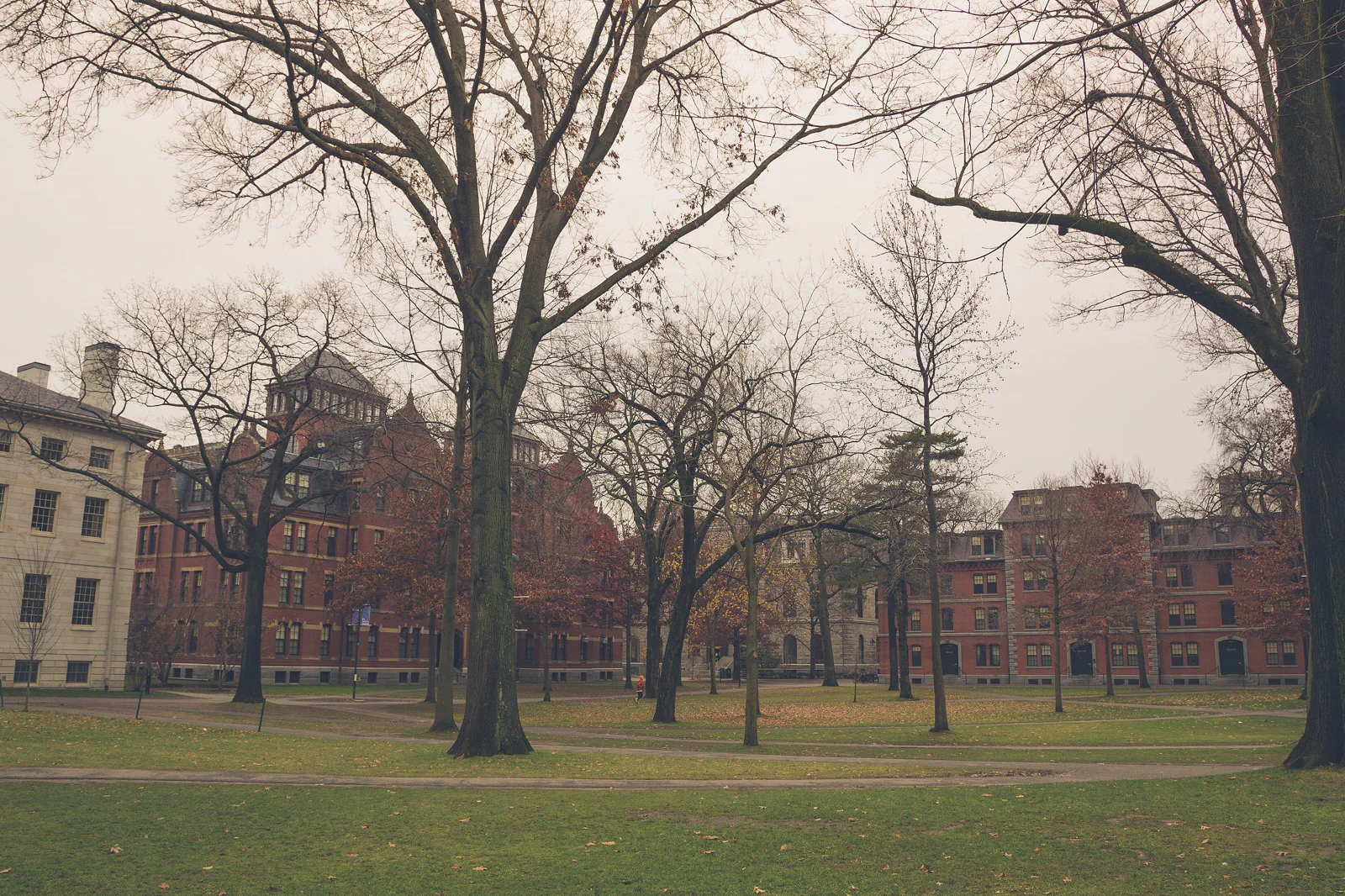
Cambridge & Harvard Square
Cambridge is a university city rather than an unrestricted campus attraction. Public streets, museums and river paths provide a full visit, while residence halls, classrooms and research spaces have their own boundaries.
Open guide →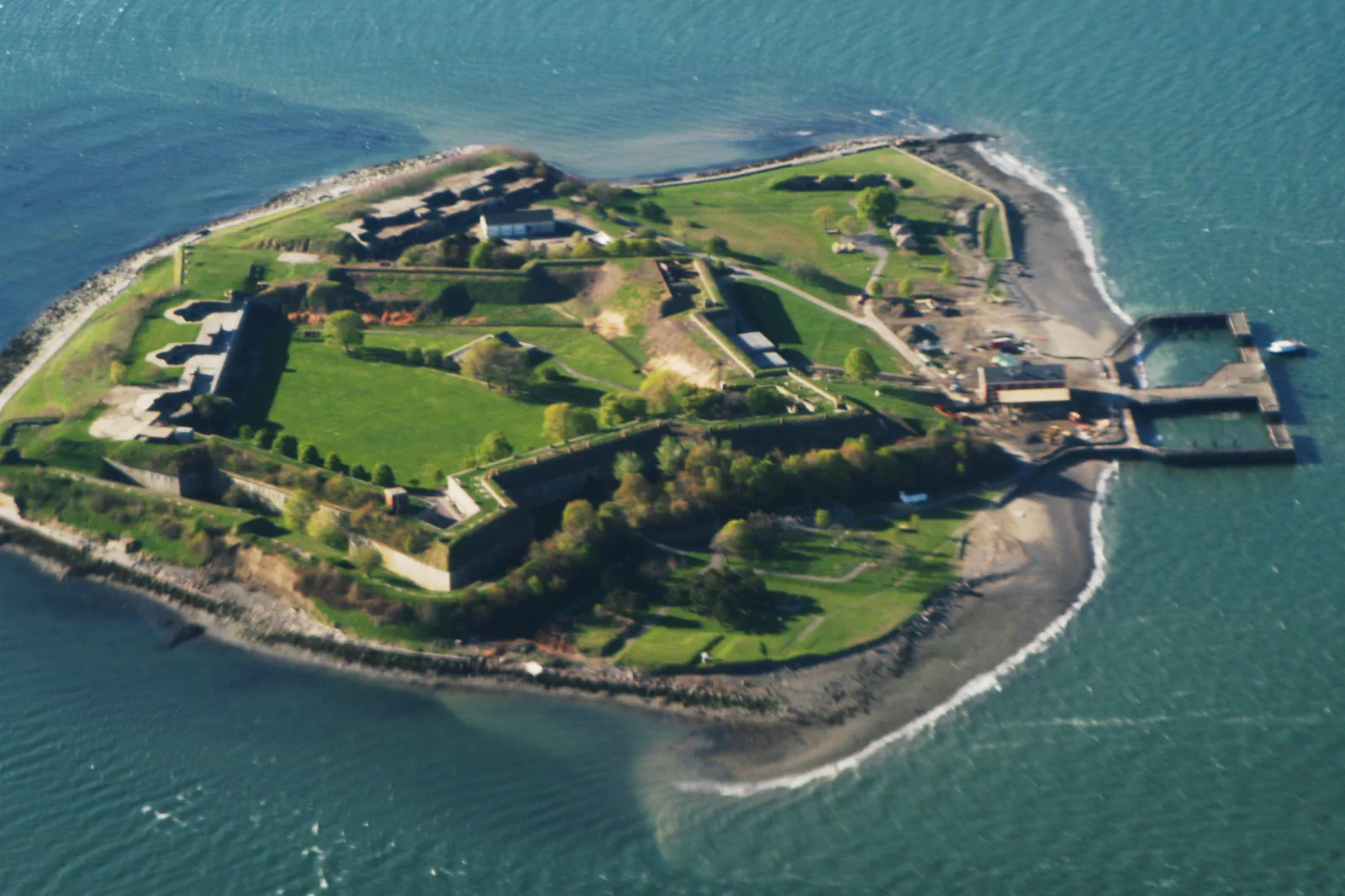
Boston Harbor & Islands
Boston Harbor can mean a waterfront walk, an island landing or a cruise without a stop. Decide which experience you want before choosing a ticket, and treat the seasonal island ferry as a real transport connection.
Open guide →References, review and image credits
Source information checked on 11 September 2026. Route order, comparisons and suggested pacing are TripDistill editorial judgments; they are not official operator itineraries.
- National Park Service: walking the Freedom Trail
- Boston National Historical Park: individual site access
- U.S. Navy: USS Constitution visitor requirements
- MBTA: journey planner and service alerts
- Freedom Trail & North End — Stefan Schulze ( Audience ), CC BY-SA 3.0. Resized, display-cropped and converted to WebP; no other material edits.
- Cambridge & Harvard Square — Tony Webster, CC BY-SA 4.0. Resized, display-cropped and converted to WebP; no other material edits.
- Boston Harbor & Islands — Doc Searls from Santa Barbara, USA, CC BY 2.0. Resized, display-cropped and converted to WebP; no other material edits.
Editorial review: 11 September 2026. Check current official information before travel.