Cambridge / Campus is not a museum ticket
Choose a collection.
Leave room for the square.
A rewarding Harvard visit combines one clear interest with the streets around it. Public museum access, campus tours and entry to university buildings are separate questions.
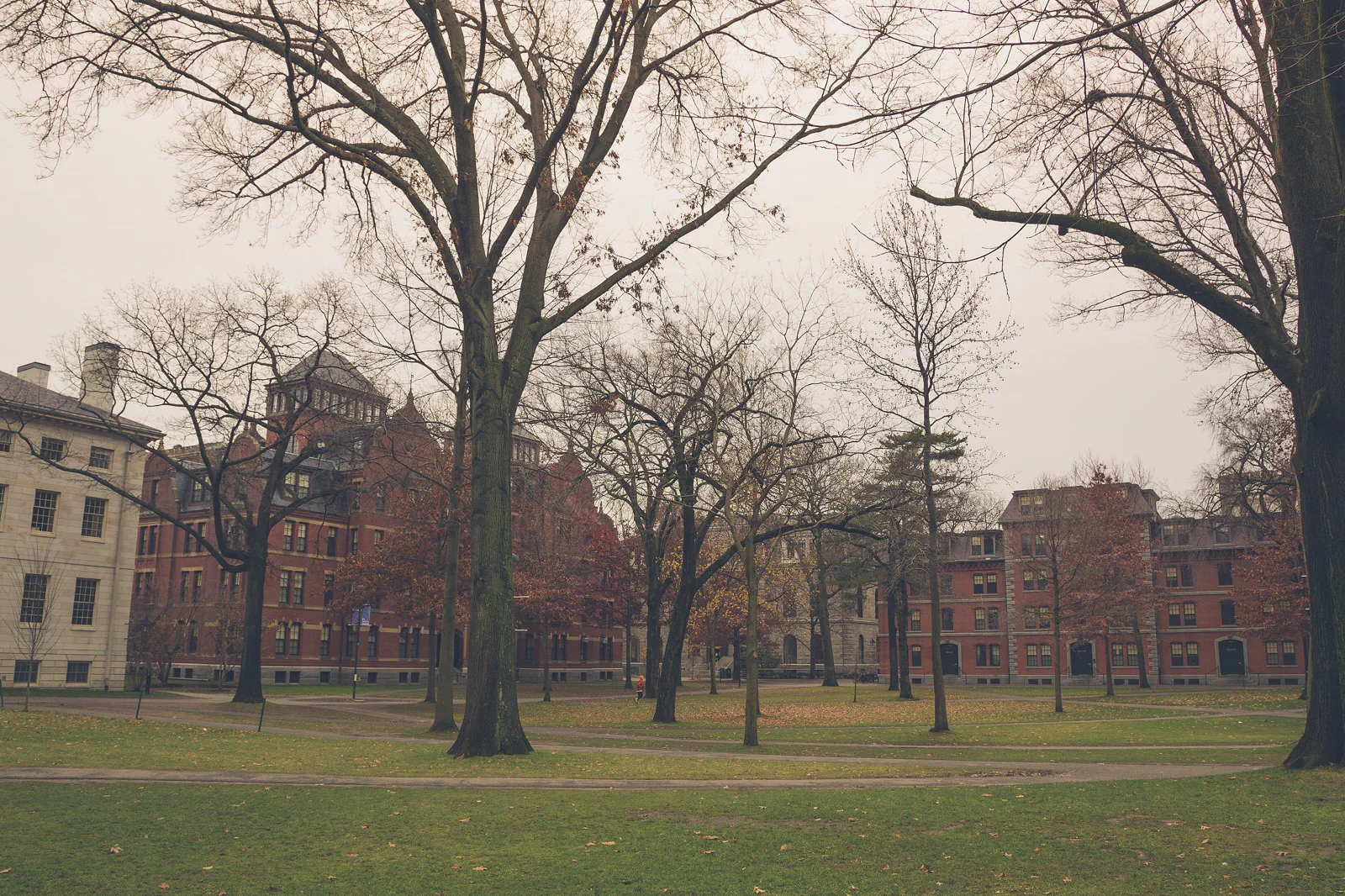
Begin at Harvard Square, not a random campus gate
Take the Red Line to Harvard and come above ground to orient yourself around the square. The university’s official tour information identifies the Smith Campus Center at 1350 Massachusetts Avenue as the starting point for its self-guided mobile tour. Check the current guided-tour booking and campus rules before you travel. A public walking tour does not grant entry to teaching rooms, residences or libraries, and an open gate is not permission to follow students into a building.
Harvard: official campus tours
Agree on a visible meeting place in the square before splitting up. “At Harvard” is too broad, especially when one person means the subway entrance and another means the Yard. Keep your museum address saved separately from the tour starting point. Campus access can change for events or university operations; a museum-first plan remains useful even when a preferred yard walk is unavailable.
Choose the museum by what you want to look at
Art · A collection-led afternoon
Harvard Art Museums at 32 Quincy Street suits a visit organized around paintings, objects and the chance to compare a few rooms closely. Pick a theme or exhibition rather than trying to give every gallery equal time. The museum’s visitor page currently lists free admission and Monday closure; recheck the date you intend to visit.
Choose this when looking slowly is the point. Free admission does not make it a five-minute detour, and a closed Monday cannot be repaired by arriving at another campus gate.
Natural history · A specimen-led visit
The Harvard Museum of Natural History belongs to the university’s science-and-culture museum group. Its natural-history displays offer a different kind of visit from the art collections. Use the science museums’ own visitor and admission information; the art museum’s free-entry arrangement is not a general Harvard museum pass.
Choose this for a science-focused outing. Check the exact museum entrance and ticket terms, and leave time to interpret the exhibits rather than treating a famous display as the only reason to enter.
Campus walk · An outdoor introduction
An official tour or self-guided route can give the university setting context without turning the day into two museum admissions. Keep it within the permitted public route and build a meal break around Harvard Square.
Choose this for a lighter day. It is not a substitute for the collections, and outdoor campus access can be affected by operations, weather or events.
A reason to choose natural history: the Glass Flowers
The natural-history museum’s Glass Flowers are botanical models made in glass, not fresh flowers preserved in a case. Looking closely at a leaf or flower before reading the label turns the display into a question about how science communicates form. Pair that attention with a different kind of specimen in the museum rather than rushing straight from a famous display to the exit. The museum identifies the collection as the Ware Collection of Blaschka Glass Models of Plants; check current display information when that is the reason for your visit.
Two plans, not one overfilled checklist
The Charles is an extension; MIT is another destination
For an outdoor finish, work toward the Charles on the south side of the Harvard Square area and choose a modest stretch of the public river path. Decide where to turn back before walking away from your subway connection. The river is not a shortcut that places MIT immediately beside Harvard; adding Kendall Square changes the day’s geography and return station.
If MIT is the main interest, treat it as a separate stop reached through an appropriate Kendall/MIT connection, with its own current visitor information. Do not advertise a quick two-campus tour by overlooking the transfer and the fact that building access differs. For this Harvard-centered day, returning to Harvard station is the clearest finish; adding a second campus should replace another section, not silently extend an already full afternoon.
Before you commit
Can I enter Harvard’s libraries as a tourist?
Do not assume so. A campus walking tour and a public museum visit do not provide general access to academic buildings. Check the current rules for the specific building or event you intend to visit.
Is one afternoon enough?
It can be enough for a selected museum and a brief look around the square. It is not the same as a guided campus tour, two museums, lunch, the Charles and MIT. Choose the reason for the visit first and remove the competing plans.
Should I stay in Cambridge for this visit?
Not solely for one afternoon. Compare the entire trip: Harvard Square is a useful base when several appointments or evenings are here, while a downtown Boston base can be more convenient for the history and harbor days.
Choose another Boston day
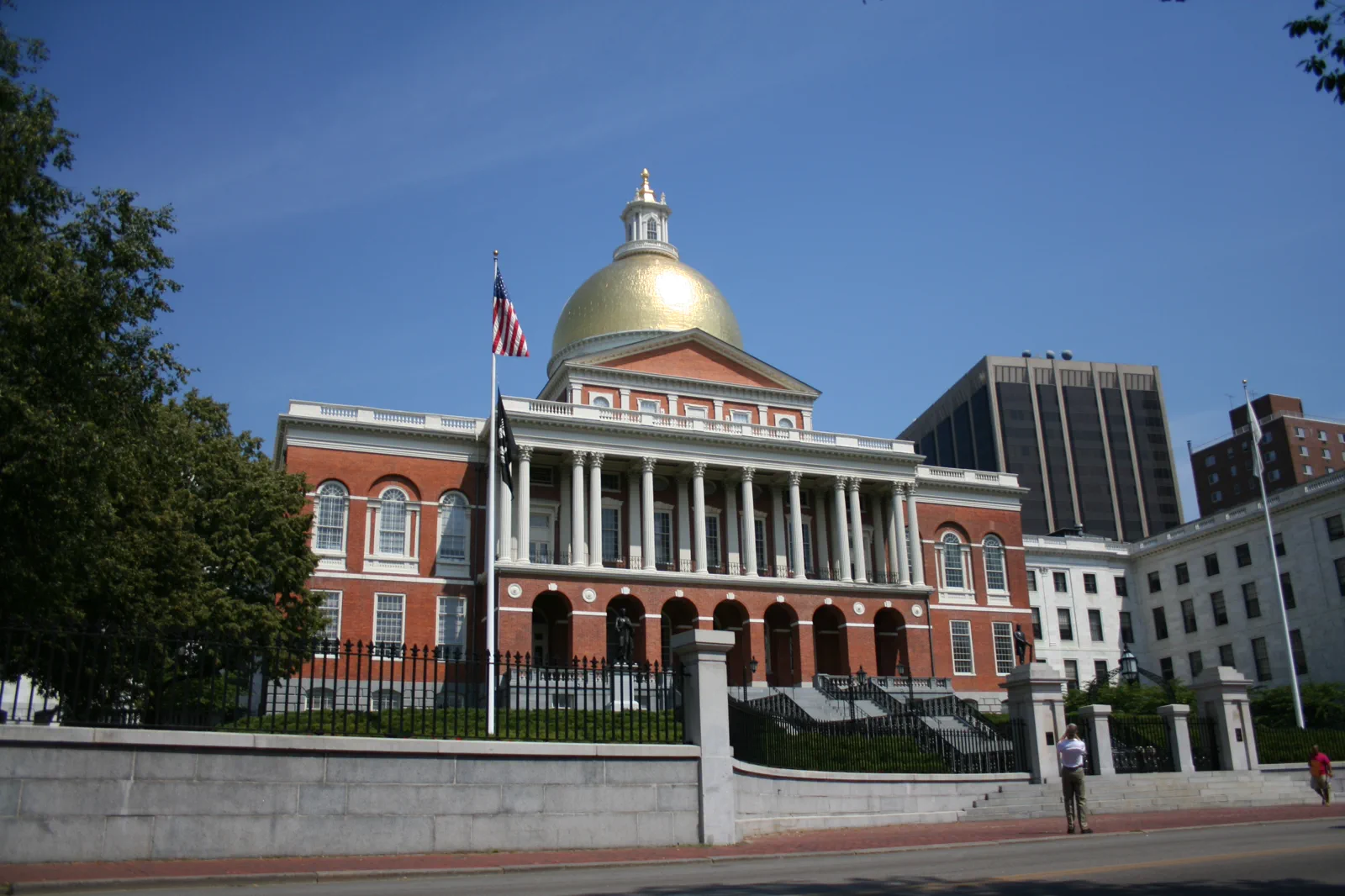
Freedom Trail & North End
The Freedom Trail links places with different histories, admission arrangements and opening hours. Following the entire line is less useful than choosing sites whose interpretation you can actually absorb, then leaving time for the North End as a living neighborhood.
Open guide →
Boston Harbor & Islands
Boston Harbor can mean a waterfront walk, an island landing or a cruise without a stop. Decide which experience you want before choosing a ticket, and treat the seasonal island ferry as a real transport connection.
Open guide →References, review and image credits
Source information checked on 11 September 2026. Route order, comparisons and suggested pacing are TripDistill editorial judgments; they are not official operator itineraries.
- Harvard: official campus tours
- Harvard: campus maps and directions
- Harvard Art Museums: admission and visiting
- Harvard Museums of Science & Culture: visiting
- MBTA: journey planner and service alerts
- Freedom Trail & North End — Stefan Schulze ( Audience ), CC BY-SA 3.0. Resized, display-cropped and converted to WebP; no other material edits.
- Cambridge & Harvard Square — Tony Webster, CC BY-SA 4.0. Resized, display-cropped and converted to WebP; no other material edits.
- Boston Harbor & Islands — Doc Searls from Santa Barbara, USA, CC BY 2.0. Resized, display-cropped and converted to WebP; no other material edits.
Editorial review: 11 September 2026. Check current official information before travel.