Washington Park / Choose the garden, then the connection
One park.
Different ways
to look at plants.
A designed garden, a rose-testing landscape and a tree collection offer different visits. Washington Park station is the beginning of the decision, not the entrance to all three.
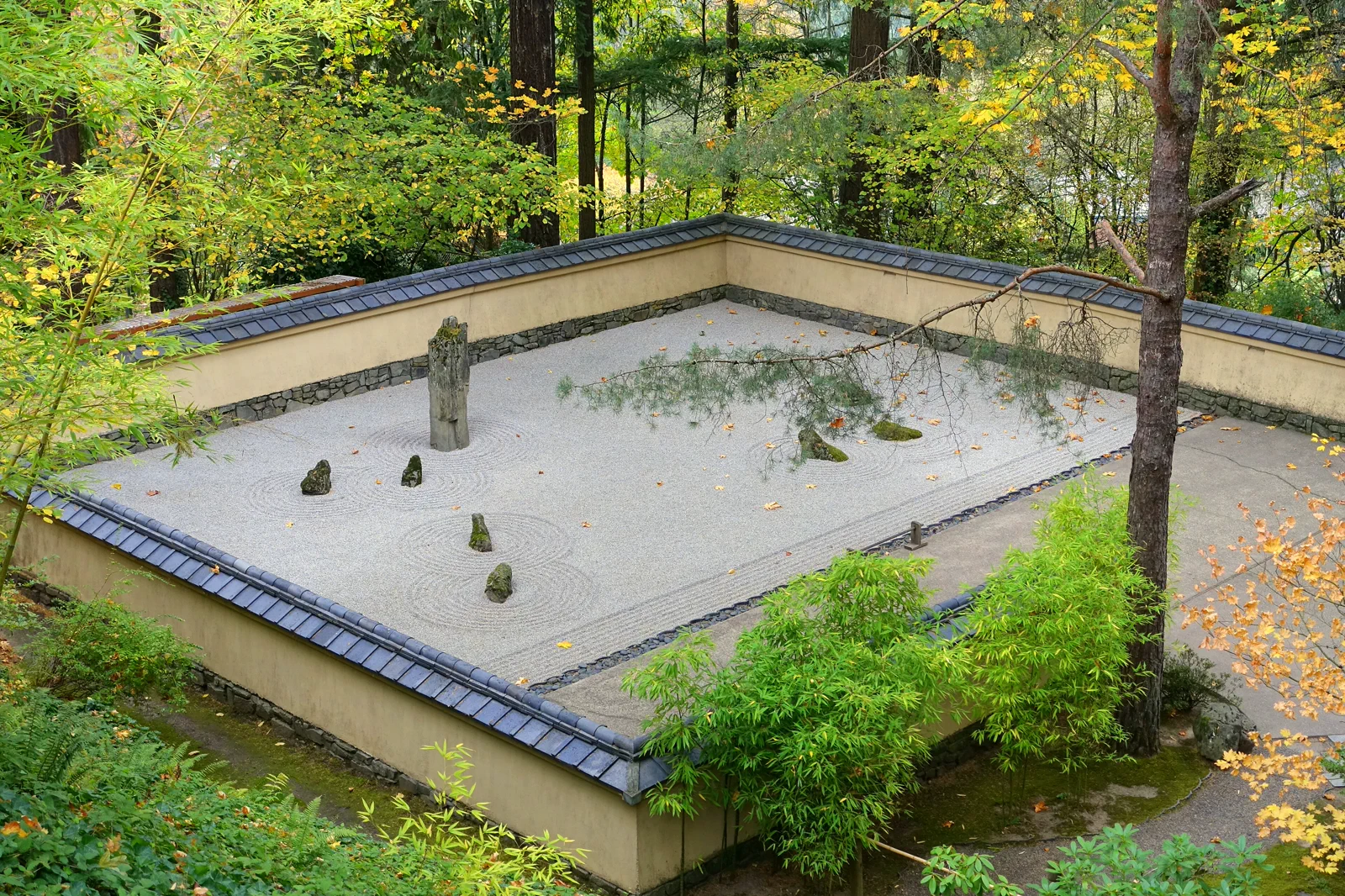
Washington Park station is beside the zoo side of the park
Explore Washington Park identifies the MAX Blue and Red lines at Washington Park station, near the Oregon Zoo and World Forestry Center entrances. The Japanese Garden and Rose Test Garden are different destinations within the hilly park. Use the current park map and shuttle information rather than assuming the station elevator opens at the garden gate.
Explore Washington Park: transit and park connections
Washington Park: accessible text map
The free park shuttle can connect major attractions during its published operating hours. Match the stop and final service to the garden you choose, and keep a return route that does not depend on walking farther than your group can manage. The shuttle’s free fare does not include admission to a separately ticketed institution.
Three plant-focused visits, plus a separate zoo day
Portland Japanese Garden: public hours and admission
Two garden-day versions that do not require every attraction
Japanese Garden plus a selective rose stop
Choose the paid garden’s entry first
Confirm the public date and available entry time, then arrange the park connection around it. Do not use member-only morning hours as a general visitor arrival target. If the garden is closed, choose another day or make the public garden or arboretum the day’s main purpose.
Let the designed spaces set the pace
Give the paths and views time, keeping entrances and narrow sections clear. Check the garden’s own accessibility information for the areas you want to visit. A camera stop should not prevent someone else from using the path, and an attractive viewpoint does not make every route suitable for every mobility need.
Add roses only if the day still has room
Use the current connection to the Rose Test Garden for a selected visit, especially when the seasonal display interests you. If the first garden has already filled the available time, return for a meal instead. Two adjacent-sounding names do not require two complete visits.
Arboretum and a shorter outdoor day
Begin with the visitor map
Choose a tree collection or a modest loop that matches current conditions and ability. Note the return junction and the connection to your transport. The word “arboretum” does not make every path flat or paved.
Look at a few trees closely
Use the labels and collection setting to compare what you see rather than trying to walk every branch of the network. The changing season can be part of the interest even when the rose beds are not at their peak.
Return before extending by habit
Finish at the planned station or shuttle connection. If another institution is a genuine priority, give it a separate admission and time decision; otherwise let the wooded walk and a relaxed meal be the complete outing.
A park-wide map is not a blanket accessibility promise
Check the exact entrance, path surface, gradient and lift or shuttle arrangement for the destination you chose. The park’s accessible text map is useful for locating facilities, while each institution supplies its own more specific guidance. A nearby attraction can still require a slope or a connection that changes the visit for your group.
Washington Park: accessible text map
In wet conditions, keep the walk within paths suited to the day and shorten the outdoor part before fatigue becomes the main experience. For children, one garden or collection with time to pause can work better than a long succession of gates. For an off-season visit, choose a landscape that interests you without depending on a particular flower display.
Before adding another destination
Does the MAX stop directly at the Japanese Garden?
Washington Park station is near the zoo and World Forestry Center side. Use the park’s current shuttle or an appropriate walking connection for the Japanese Garden, rather than assuming the station is at its gate.
Does a Tuesday garden closure mean all Washington Park is closed?
No. The Japanese Garden has its own operating calendar. Check the public park, Rose Test Garden, arboretum or other institution separately; they do not share one admission or closure rule.
Choose another Portland-area day
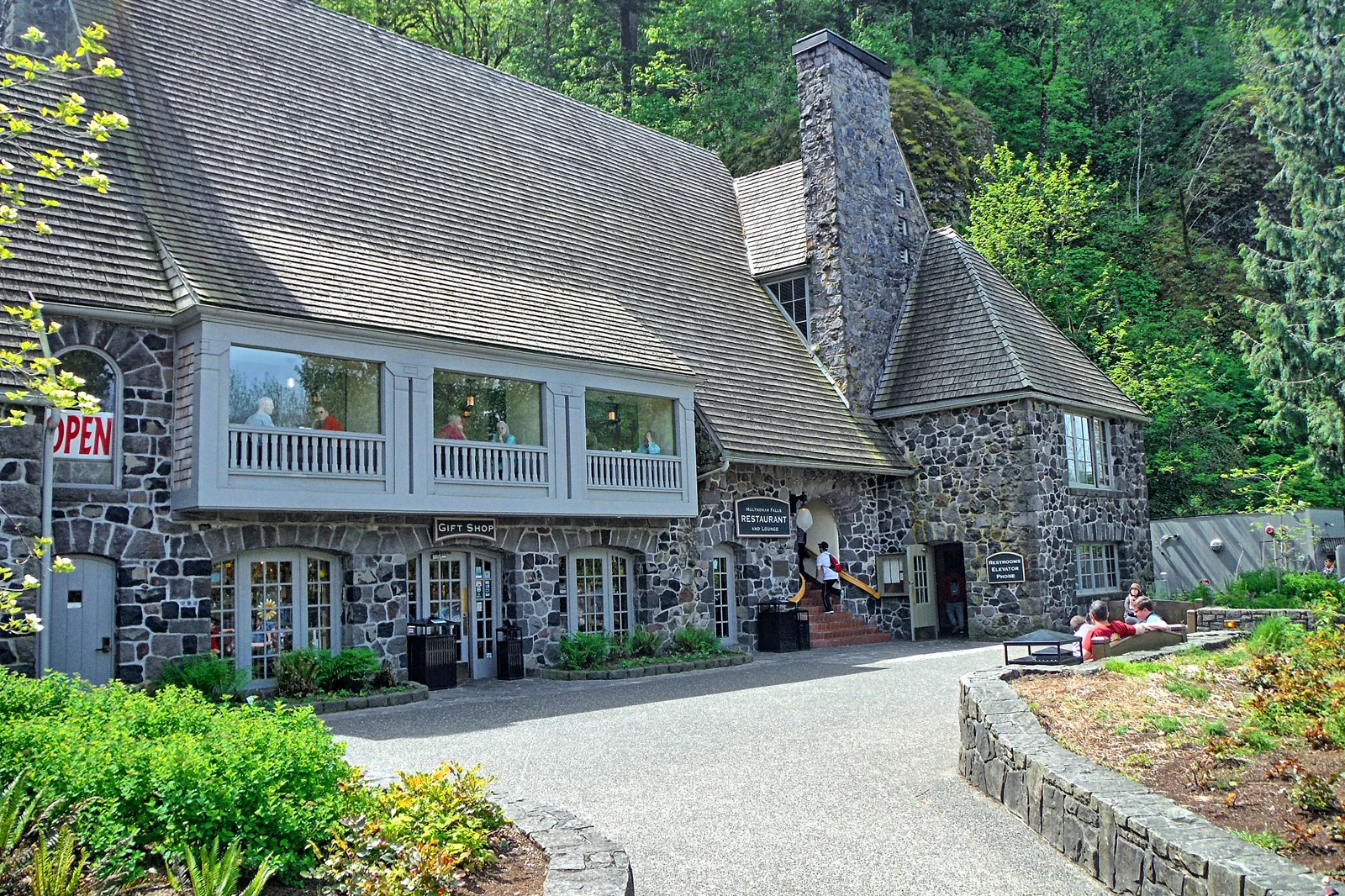
Columbia River Gorge
The Gorge is a landscape of waterfalls, cliffs and a working transport corridor. Popular stops need parking or shuttle planning, and a short viewpoint visit is different from a steep trail or a cross-river road circuit.
Open guide →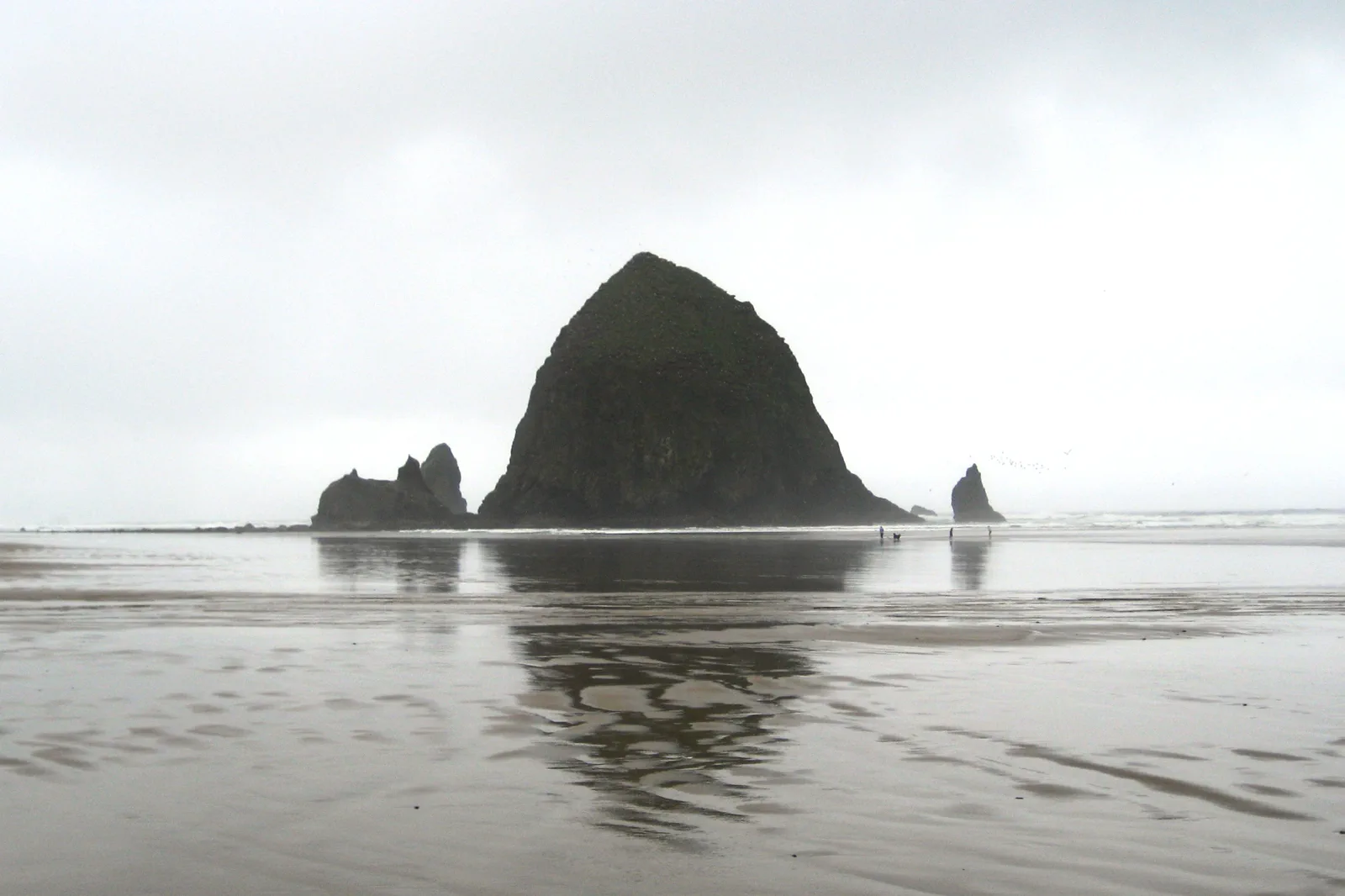
Cannon Beach & the Oregon Coast
The coast is a separate weather system from Portland. Cannon Beach offers a walkable base and striking sea stacks, while a longer coastal drive needs overnight stops and enough time to enjoy the shoreline.
Open guide →References, review and image credits
Source information checked on 11 September 2026. Route order, comparisons and suggested pacing are TripDistill editorial judgments; they are not official operator itineraries.
- Explore Washington Park: transit and park connections
- Washington Park: accessible text map
- Portland Japanese Garden: public hours and admission
- Portland Parks: International Rose Test Garden
- Hoyt Arboretum: trails and visitor information
- Washington Park & Portland Gardens — Daderot, CC0. Resized, display-cropped and converted to WebP; no other material edits.
- Columbia River Gorge — Kirt Edblom from Corvallis, Oregon, United States, CC BY-SA 2.0. Resized, display-cropped and converted to WebP; no other material edits.
- Cannon Beach & the Oregon Coast — M.O. Stevens, CC BY-SA 3.0. Resized, display-cropped and converted to WebP; no other material edits.
Editorial review: 11 September 2026. Check current official information before travel.