China choose a region before counting cities
China is too large for a checklist itinerary. Build the first trip around one geographic argument, prepare the passport-and-phone layer before arrival, then let high-speed rail connect only the stops that earn their transfer.
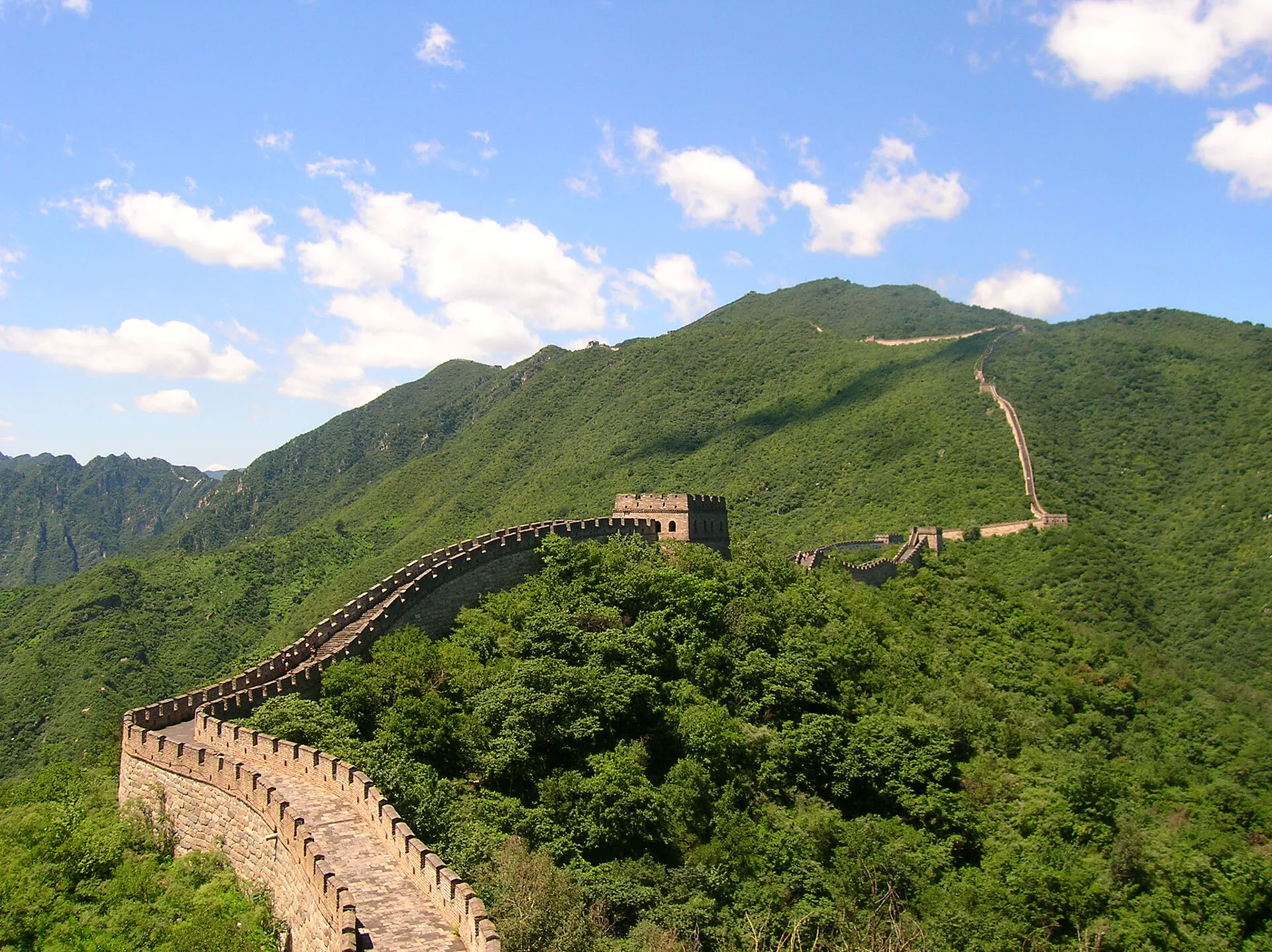
Think in regions, not pins
A short flight or fast train is still a hotel exit, station approach, identity check, boarding window and new last mile. Count complete transfer cost.
Give a city depth
Beijing needs several separate days because the imperial core, hutongs, west gardens, contemporary east and Great Wall do not collapse into one loop.
Add by purpose
Choose a second region for a real contrast—water town, mountain landscape, food culture or archaeology—not because a map label is famous.
Protect the exit
Keep the final night near the international departure city and preserve margin around major holidays, long rail days and weather-sensitive routes.
Verify the legal route before the scenic route
Visa-free entry, bilateral exemptions and 240-hour transit are different mechanisms. Transit requires an eligible nationality, approved port, permitted area and confirmed onward movement to a third country or region. Never infer your status from another traveler's passport.
A four-document departure check
- Entry basis: save the exact official rule that applies to nationality, purpose and stay.
- Onward proof: keep confirmed tickets and the first accommodation address available offline.
- Passport consistency: use the same name and document for rail, attraction reservations and hotel registration.
- Late recheck: verify again near departure because eligible countries and ports can change.
This guide is planning help, not immigration advice. The National Immigration Administration and the responsible Chinese embassy or visa center are the decision sources.
Prepare connectivity, payment and identity together
Official guidance supports overseas bank cards in major mobile wallets and keeps bank-card and RMB-cash routes available. The practical goal is redundancy, not an app collection.
Install and verify
Set up the services you intend to use, complete any identity steps and confirm the issuing bank will approve overseas transactions.
Secure data first
Choose roaming, eSIM where compatible or a local SIM path before depending on live translation, ride-hailing or reservation screens.
Carry three layers
Use a prepared mobile wallet, an international card and some RMB cash. A successful test transaction is more useful than an online assumption.
Save the hard parts
Keep Chinese addresses, booking QR codes, passport details, train numbers and the accommodation phone number accessible without a connection.
Let 12306 define the train, not a reseller screenshot
China Railway identifies 12306 as its official customer-service channel and allows foreign passengers to use valid passports for real-name ticketing. Station names, passport spelling and document checks deserve the same care as departure time.
Match the exact station
Large cities have multiple terminals. Compare station location and final metro or taxi leg before choosing the fastest-looking train.
Mirror the passport
Keep document number and name consistent. Use the same original passport at the station and retain the booking record offline.
Budget station process
Allow time for security, document handling and finding the correct waiting area, especially at a terminal you have not used before.
Avoid brittle same-day chains
Do not place an irreplaceable international flight immediately after a long domestic rail movement without a defensive buffer.
Start with depth, then choose a geographic contrast
Beijing, Shanghai and Hangzhou retain their eight-chapter city clusters. Twenty-seven complete single-page guides now extend the route through the north and central plains, east and lower Yangtze, Pearl River and coast, southwest, Silk Road and Tibetan Plateau—each with its own planning instrument and visual rhythm.
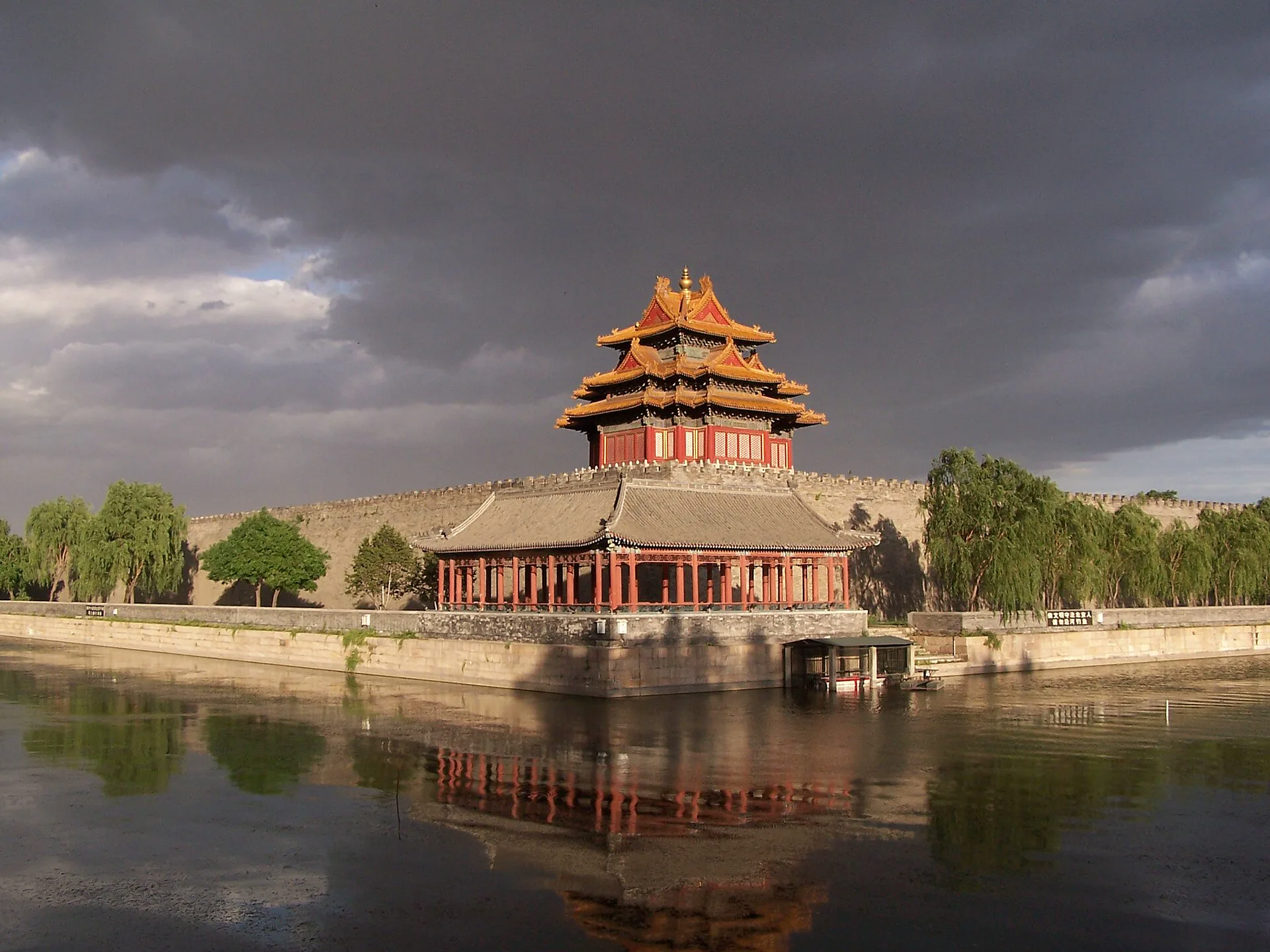
Beijing begins with an axis, not a bucket list
The Beijing system separates reservation-heavy palace space, hill-and-lake orientation, ceremonial south, hutong time, living religion, contemporary art, a west-side garden day and a full Great Wall expedition.
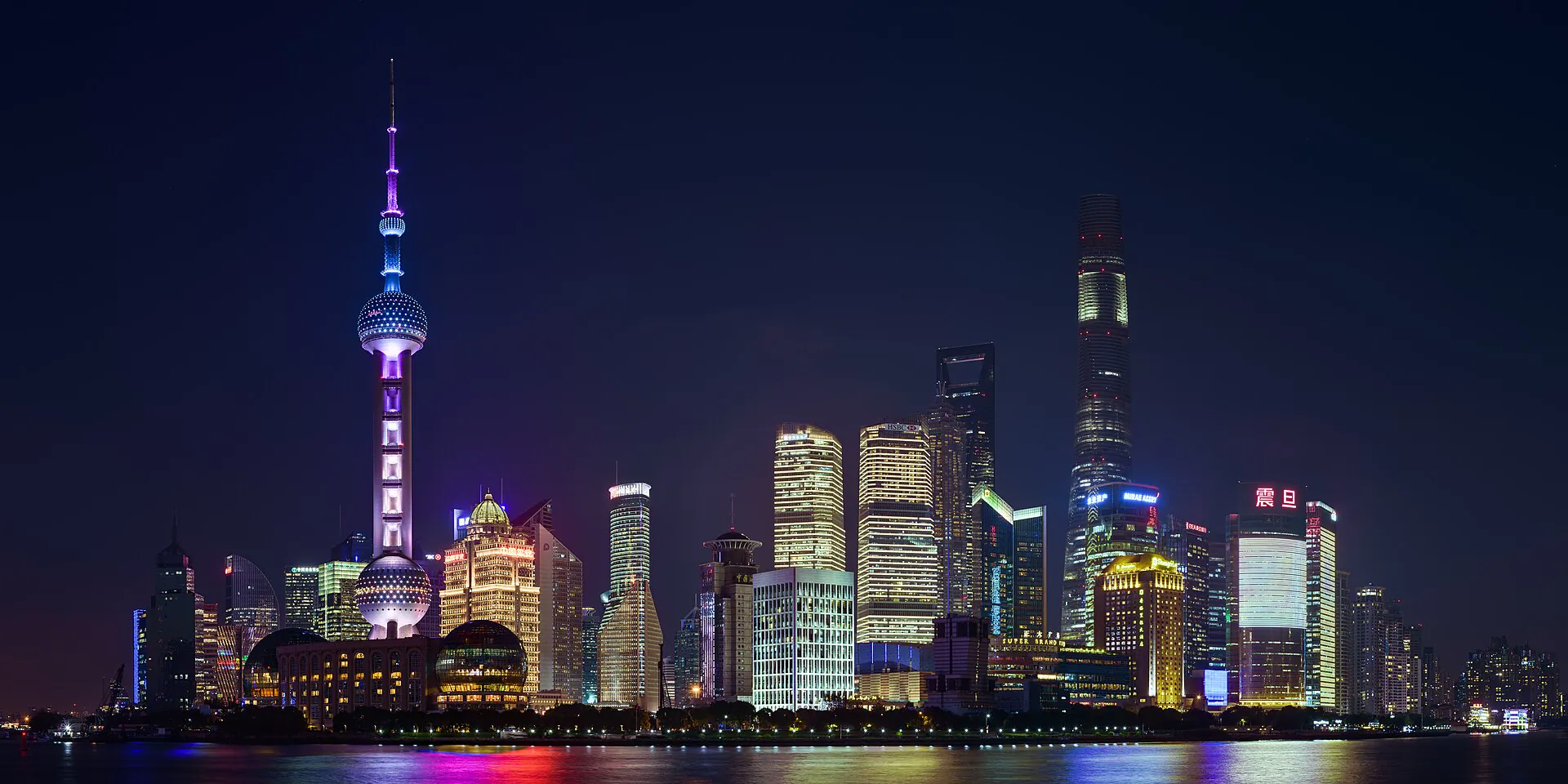
Shanghai reads differently on each bank
The Shanghai system uses facade, skyline, garden, street, museum, memory, industrial and water-town instruments. It covers the Bund, Lujiazui, Yuyuan, Xuhui, People's Square, Hongkou, West Bund and Zhujiajiao.
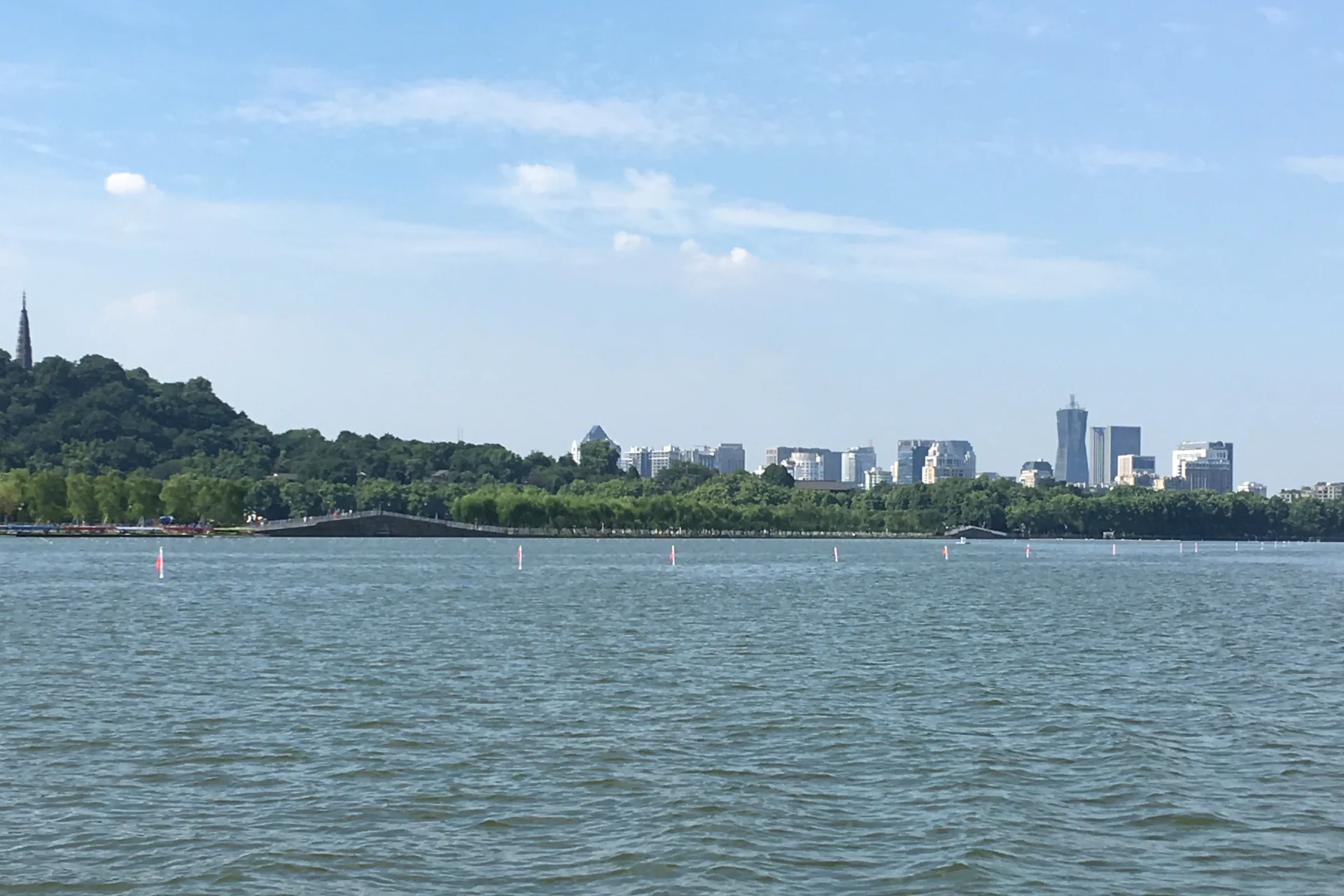
Hangzhou moves by water, threshold and contour
The Hangzhou system separates West Lake's north and south shores, Lingyin, Longjing tea country, the Grand Canal, Southern Song streets, Xixi Wetland and Liangzhu's archaeological landscape.
Choose by geography and purpose
This is a planning directory, not a demand to visit everything. All thirty entries now open complete guides; use the regional groupings as route arguments to compare before building a first trip.
Capitals, cave art, walls and long historical sequences
Beijing
Central Axis, imperial complexes, hutong neighborhoods, western gardens, contemporary art and a separate Great Wall day.
Open 9-page guide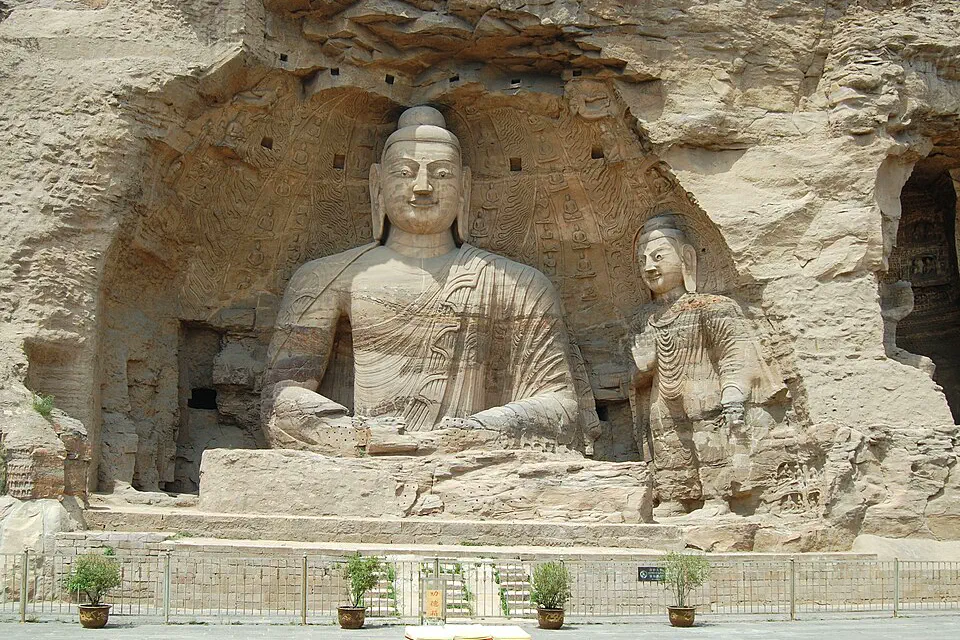
Datong
Use Yungang Grottoes as the anchor, then verify the long road logic for Hanging Temple and the surrounding plateau.
Open complete guide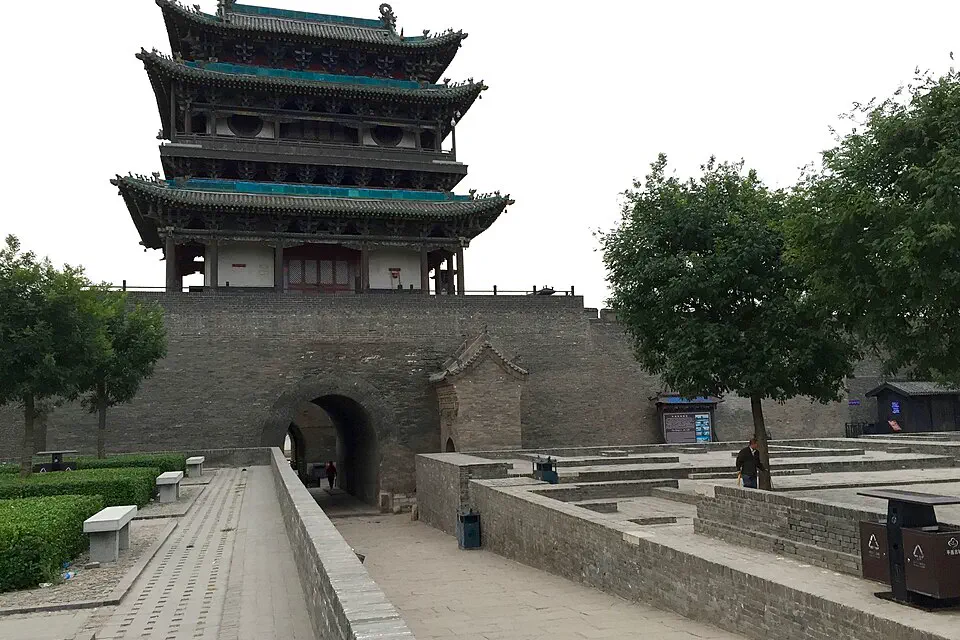
Pingyao
A preserved historic core and merchant history that work best as an overnight rail chapter, not a platform-side photo stop.
Open complete guide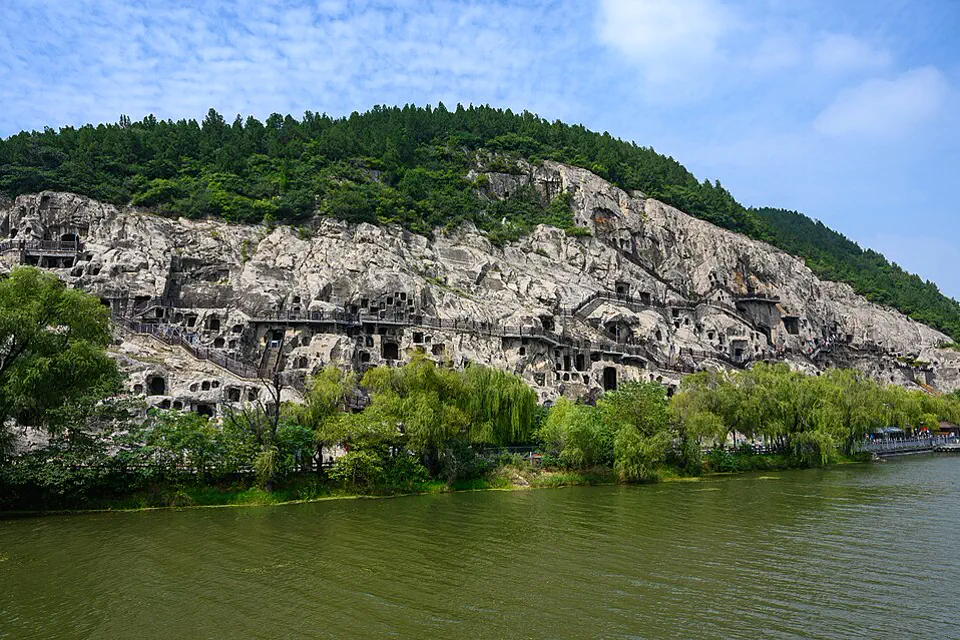
Luoyang
Longmen Grottoes, museums and seasonal peony demand separate timing from any farther Shaolin or ancient-capital excursion.
Open complete guide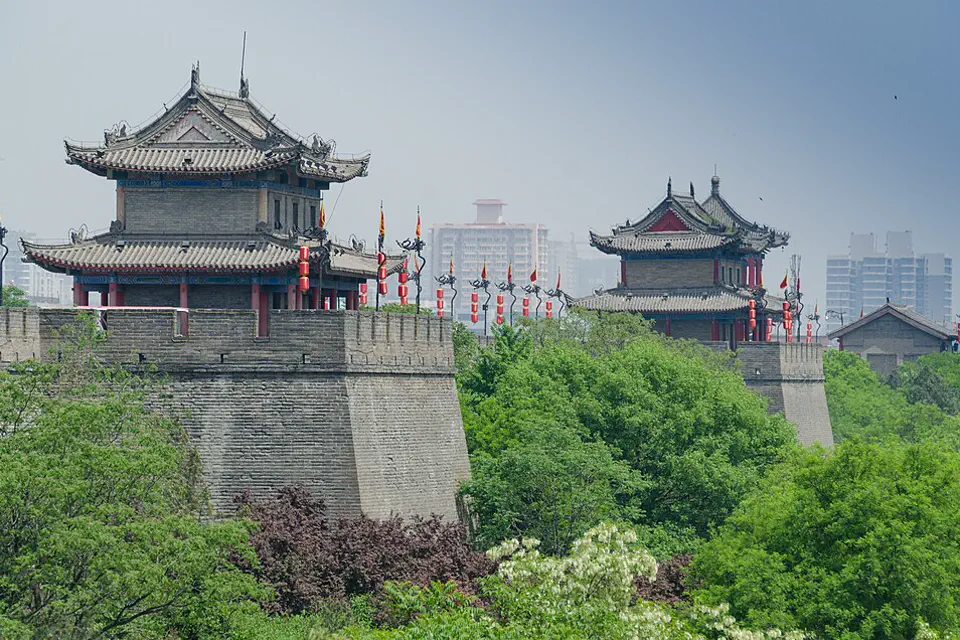
Xi'an
City walls, major museums, Muslim Quarter context and the Terracotta Army form an archaeology-led multi-day cluster.
Open complete guide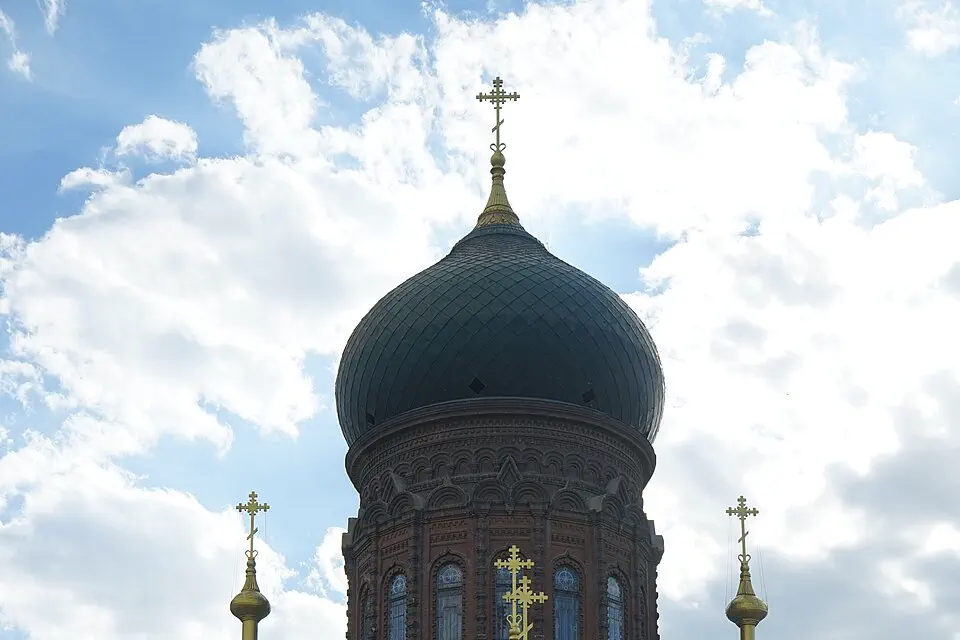
Harbin
Architecture, ice-and-snow events and extreme cold make this a seasonal equipment and event-calendar decision.
Open complete guide
Hohhot & Inner Mongolia
Build around real distance, season and a reputable grassland or desert operator rather than a generic nomadic-day package.
Open complete guideGlobal cities, gardens, canals, mountains and fast-rail contrasts
Shanghai
Huangpu river logic, historic facades, skyline, gardens, museums, residential streets, memory and water-town timing.
Open 9-page guide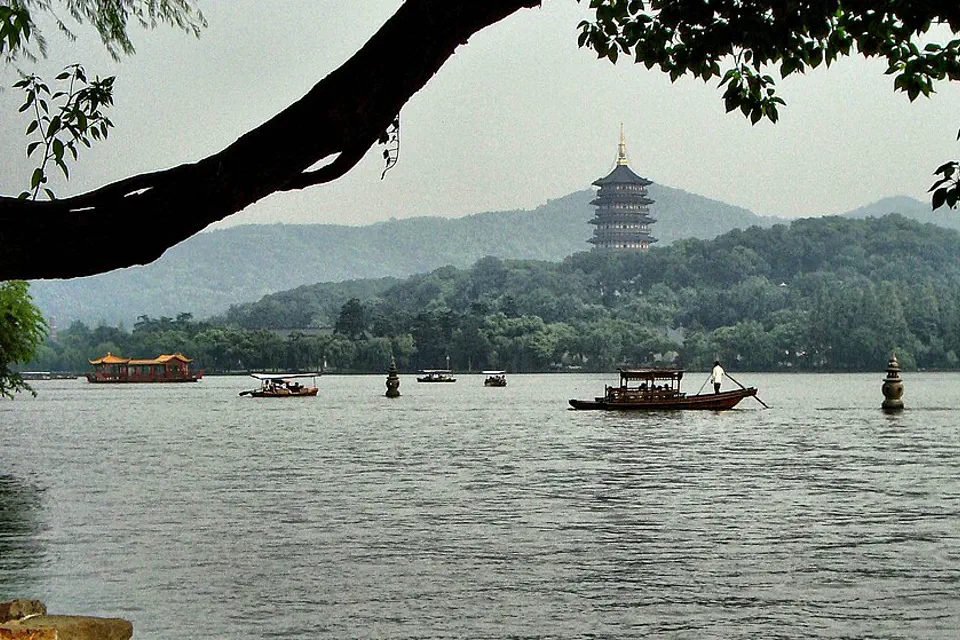
Hangzhou
West Lake shores, Lingyin thresholds, Longjing tea contours, the Grand Canal, Southern Song streets, Xixi and Liangzhu.
Open 9-page guide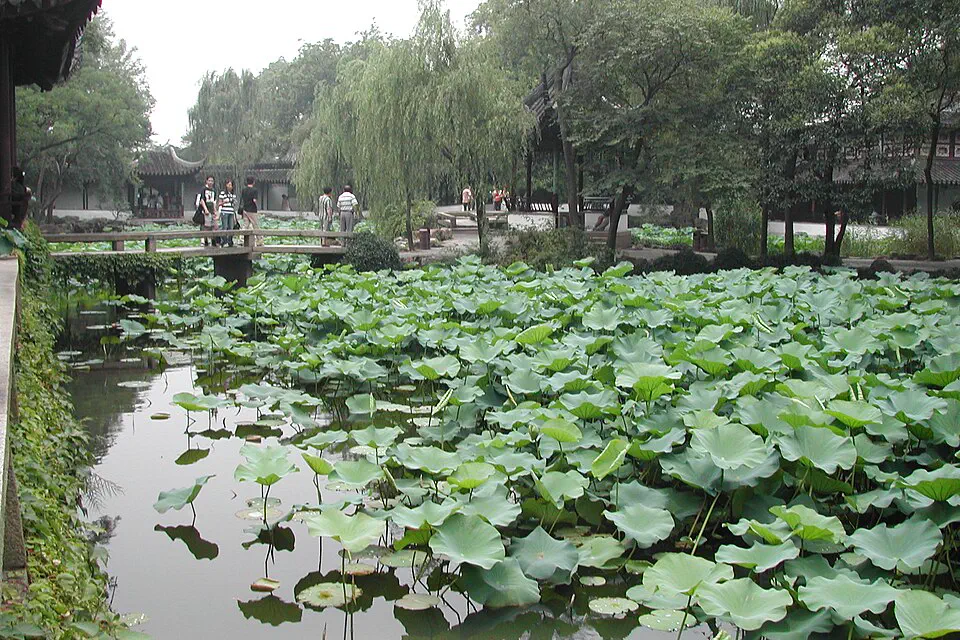
Suzhou
Choose a small number of classical gardens, then add canal, museum or nearby water-town texture without collecting tickets.
Open complete guide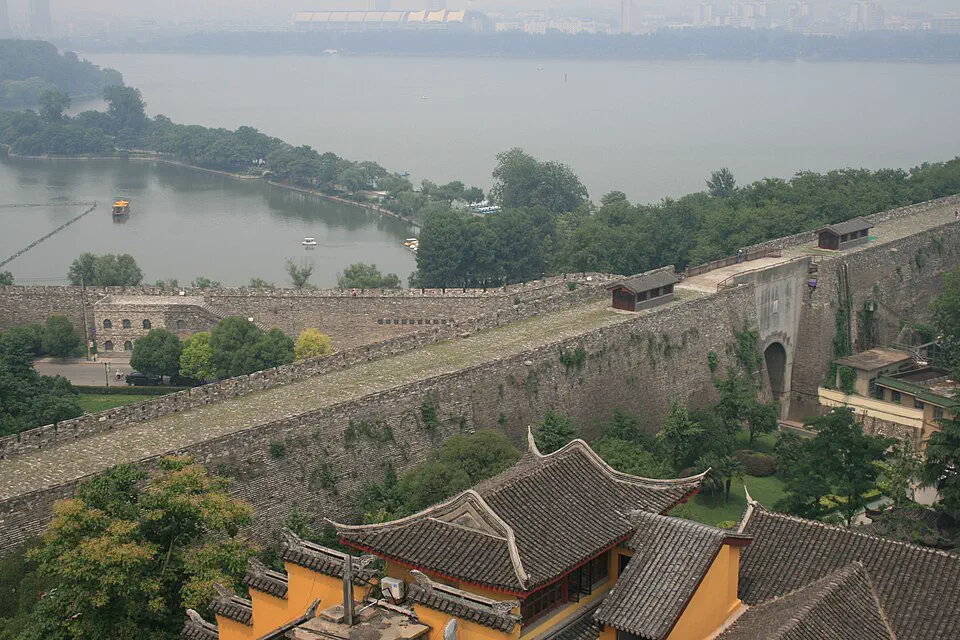
Nanjing
Ming city fabric, major museums, republican history and documented memorial sites require a careful multi-day sequence.
Open complete guide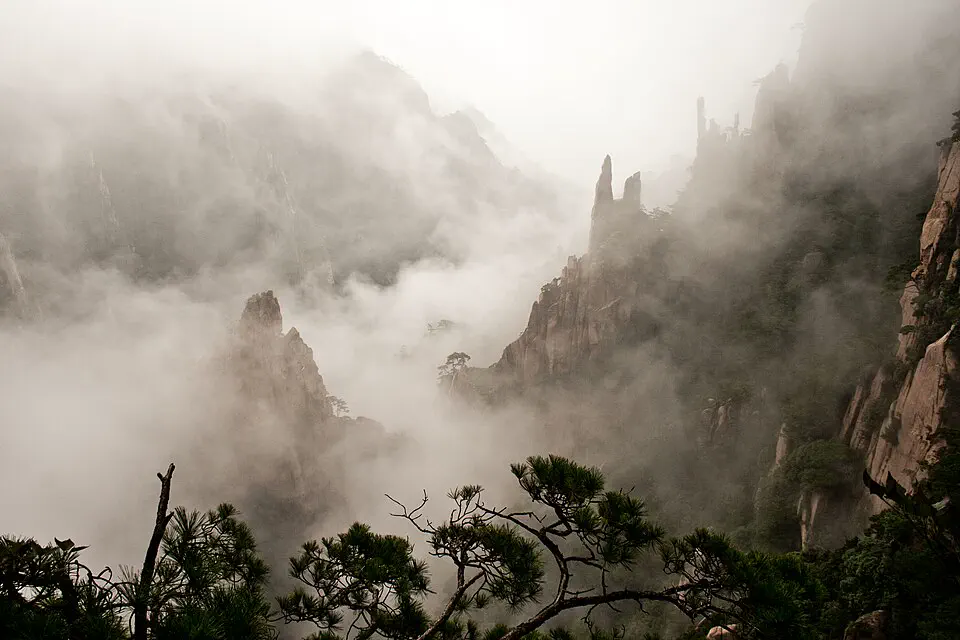
Huangshan
Weather, cableway status, summit lodging and trail direction matter more than the fastest rail arrival to the gateway city.
Open complete guide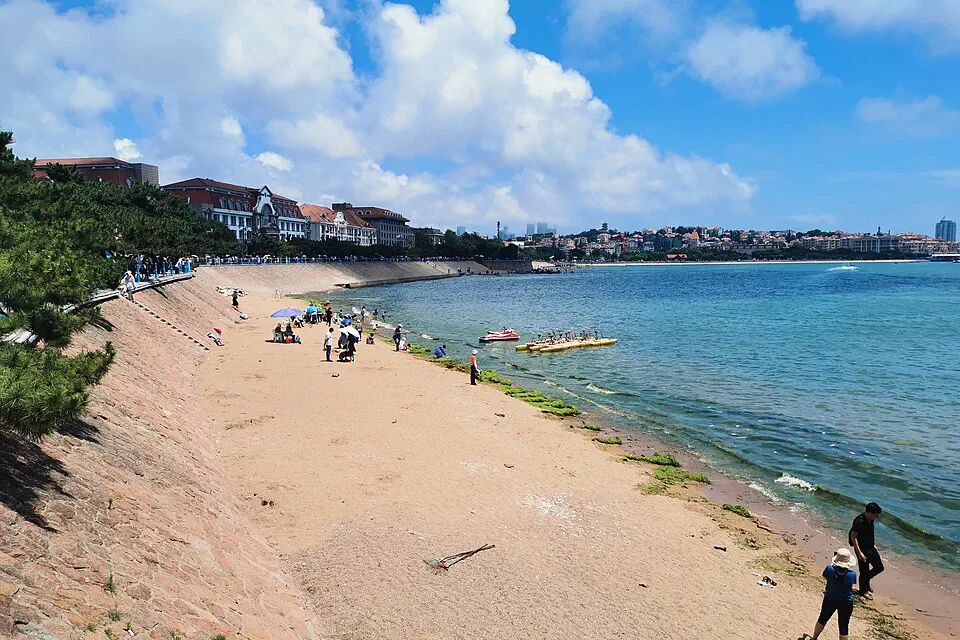
Qingdao
Historic urban fabric, hills, beaches and beer culture work as a coastal city break with strong seasonal differences.
Open complete guideDelta megacities, karst routes, island climate and food regions
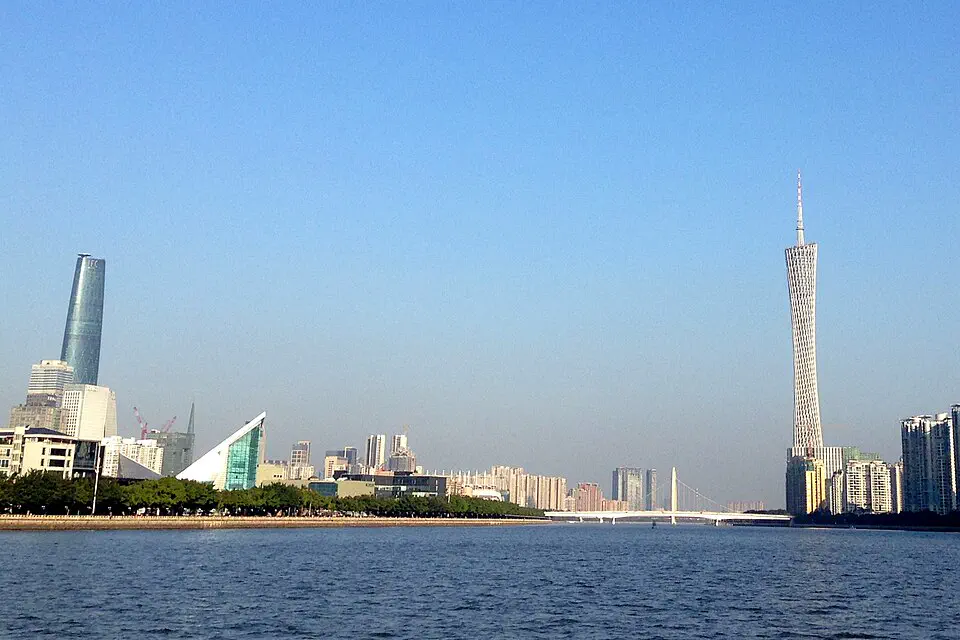
Guangzhou
Use markets, museums, Lingnan architecture and Cantonese dining as city chapters, with the exact rail station kept visible.
Open complete guide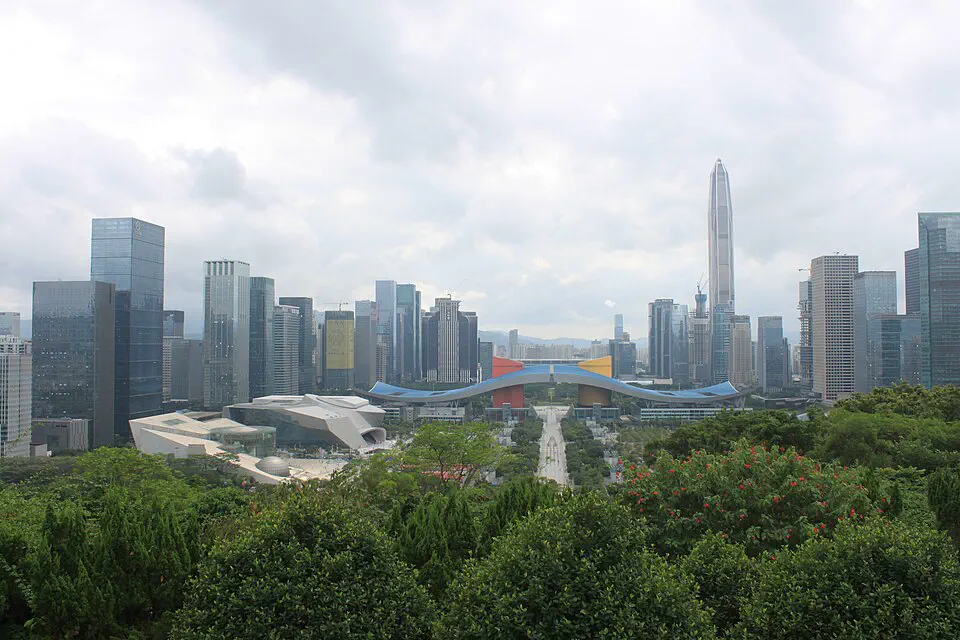
Shenzhen
Contemporary design, urban villages, technology and coast form a modern-city argument beside a separate border system.
Open complete guide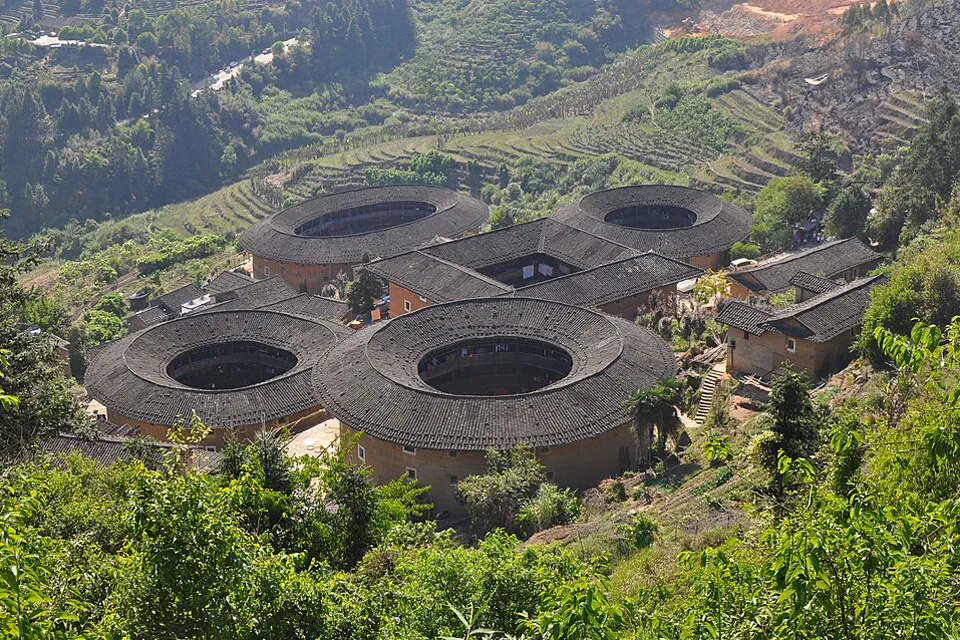
Xiamen & Fujian Tulou
Keep the walkable island-port city separate from the long rural road day needed for selected tulou clusters.
Open complete guide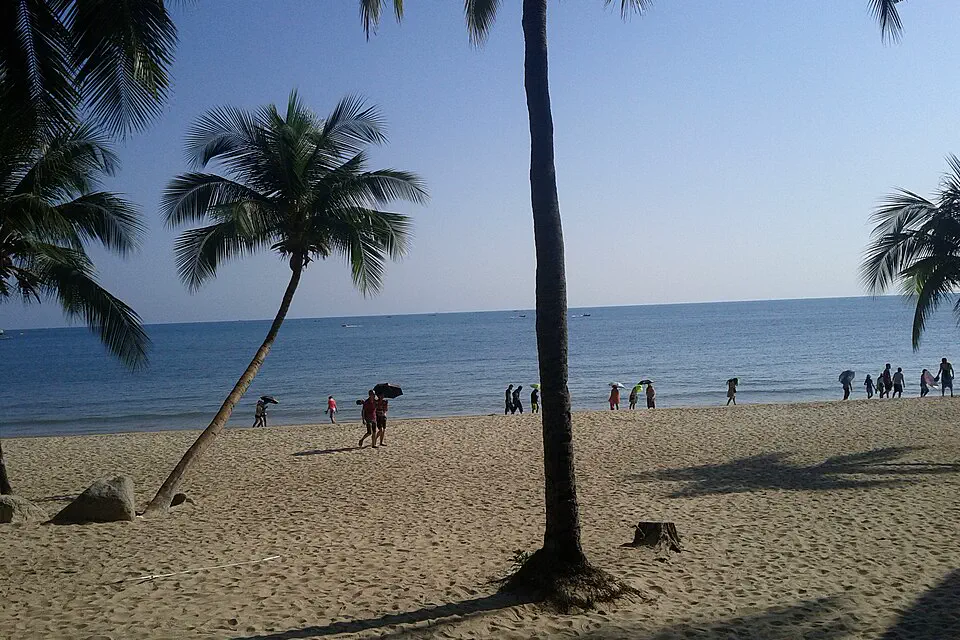
Sanya & Hainan
Choose coast by season, beach condition and resort access; typhoon and holiday demand can completely reshape the stay.
Open complete guide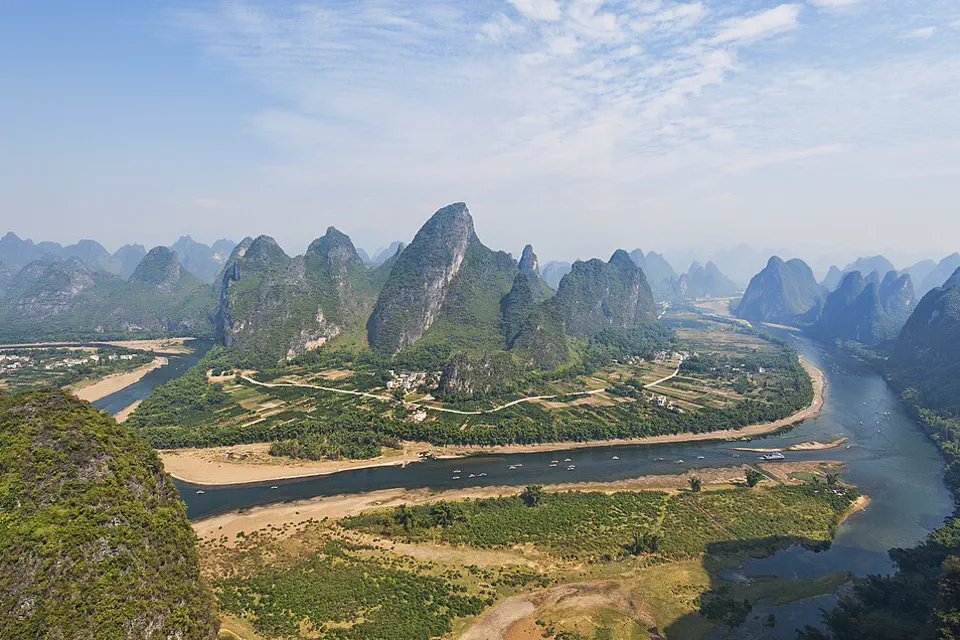
Guilin & Yangshuo
River cruises, rural roads and limestone viewpoints require weather-aware choices rather than treating the two bases as one stop.
Open complete guide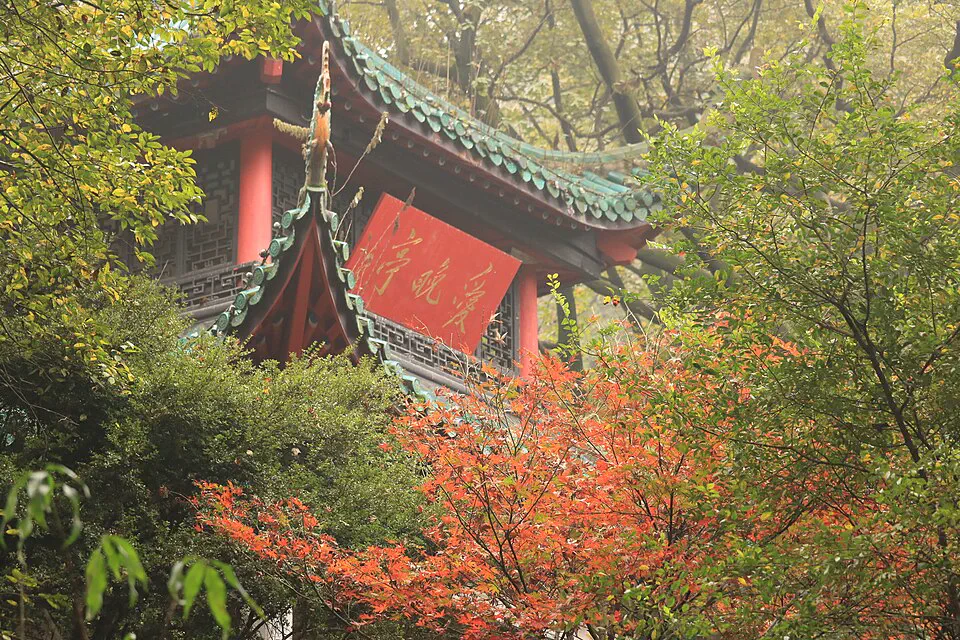
Changsha
Night food, museums and Yuelu Mountain make a city chapter that can connect by rail to a separate Zhangjiajie landscape leg.
Open complete guide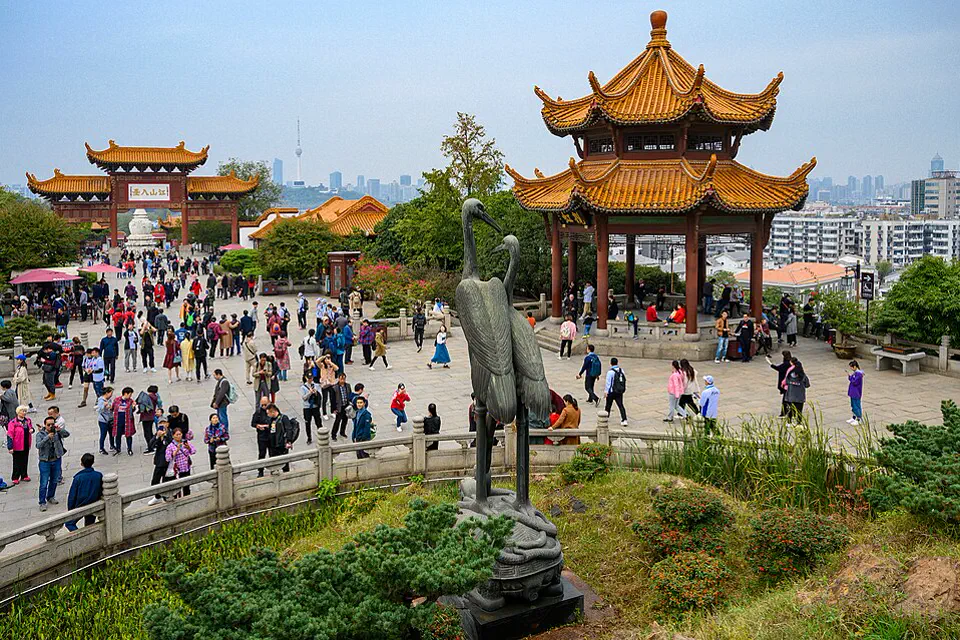
Wuhan
Three historic towns, Yangtze crossings, major museums and lake scale reward a route built around the correct bank.
Open complete guideFood basins, mountain weather, long roads and access-sensitive frontiers

Chengdu
Panda conservation visits, teahouse life, cuisine and museums form a city base for carefully selected Sichuan excursions.
Open complete guide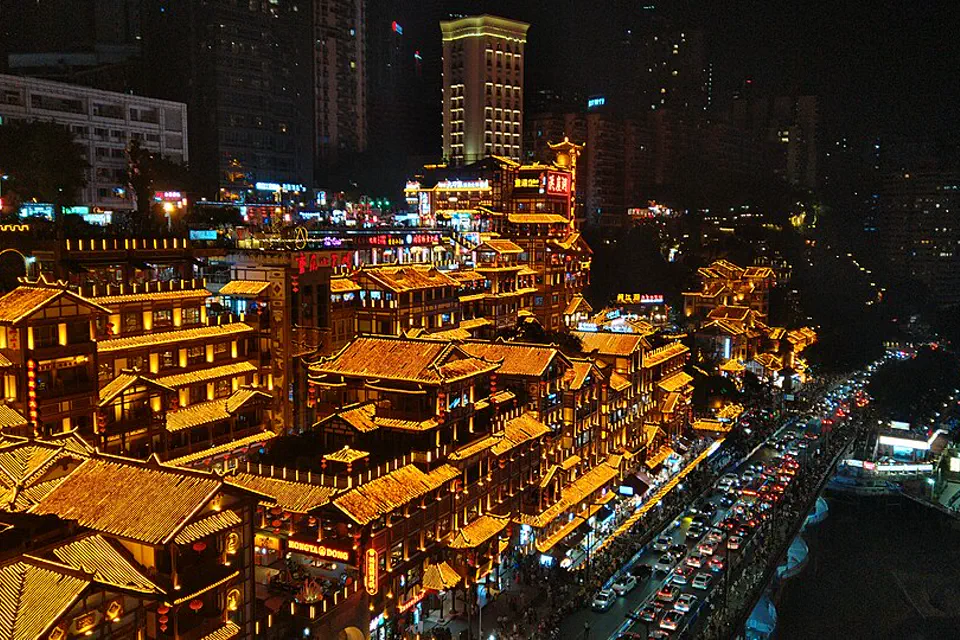
Chongqing
River confluence, hillside transit, night views and hotpot require elevation-aware routing and precise station exits.
Open complete guide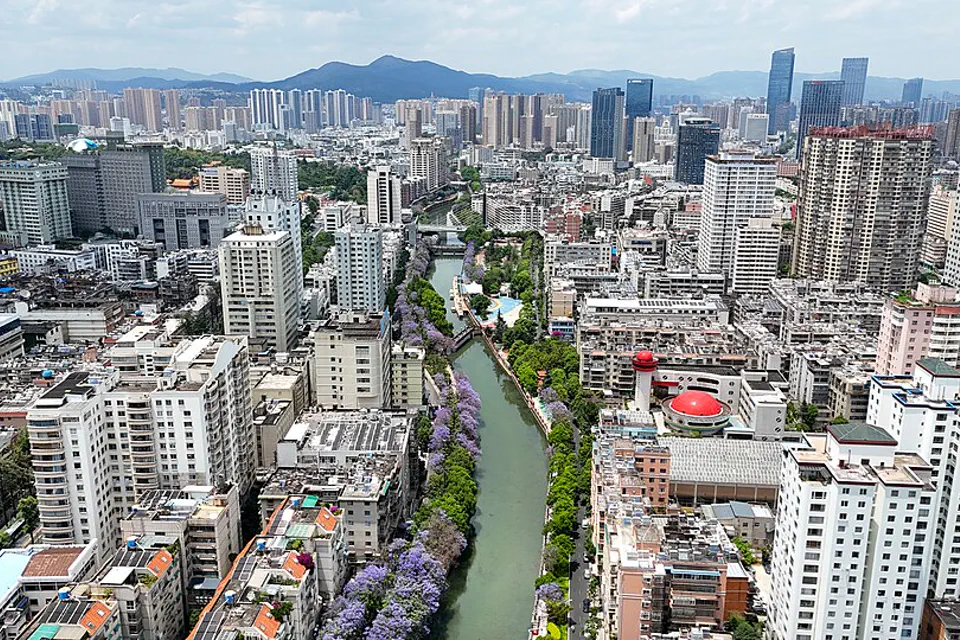
Kunming
A mild-weather arrival base, major regional museum city and transport hinge for separate Dali, stone-forest or farther routes.
Open complete guide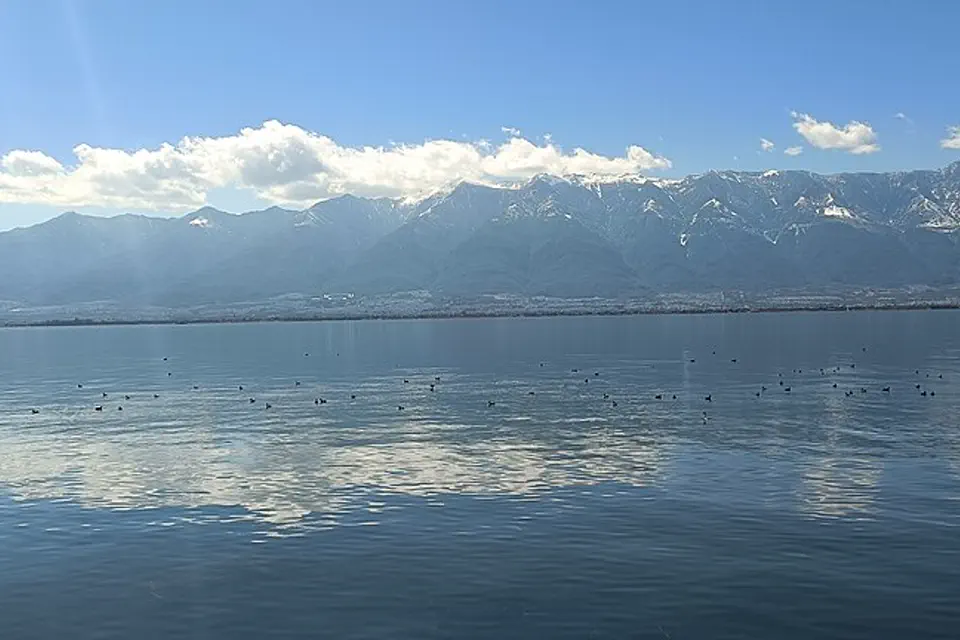
Dali
Erhai scale, old-town pressure, villages and mountain weather call for a base decision rather than a single ring-road day.
Open complete guide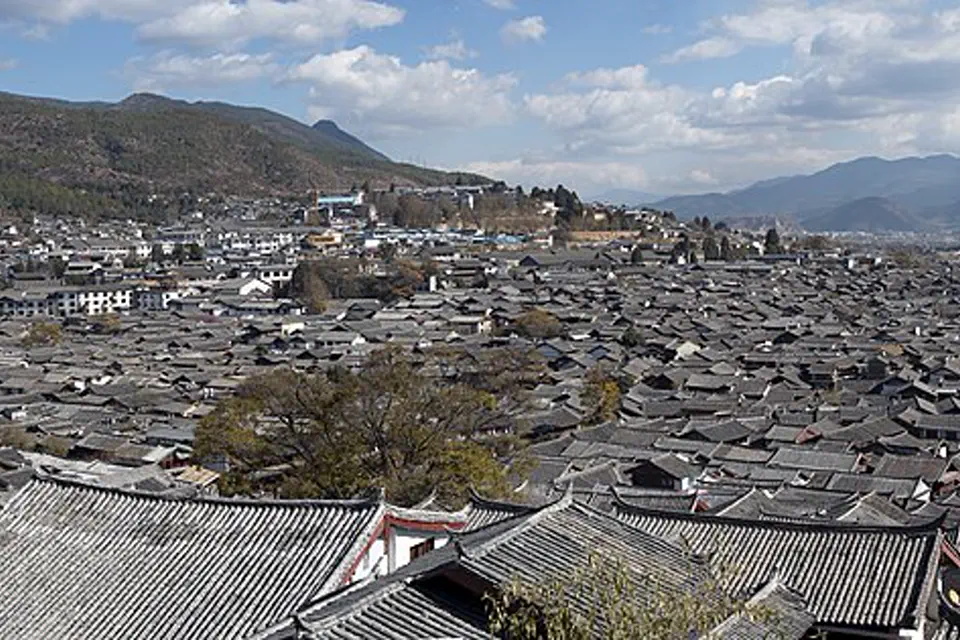
Lijiang & Shangri-La
Separate heritage-city crowds from higher-altitude landscapes; acclimatization and weather must control the northward route.
Open complete guide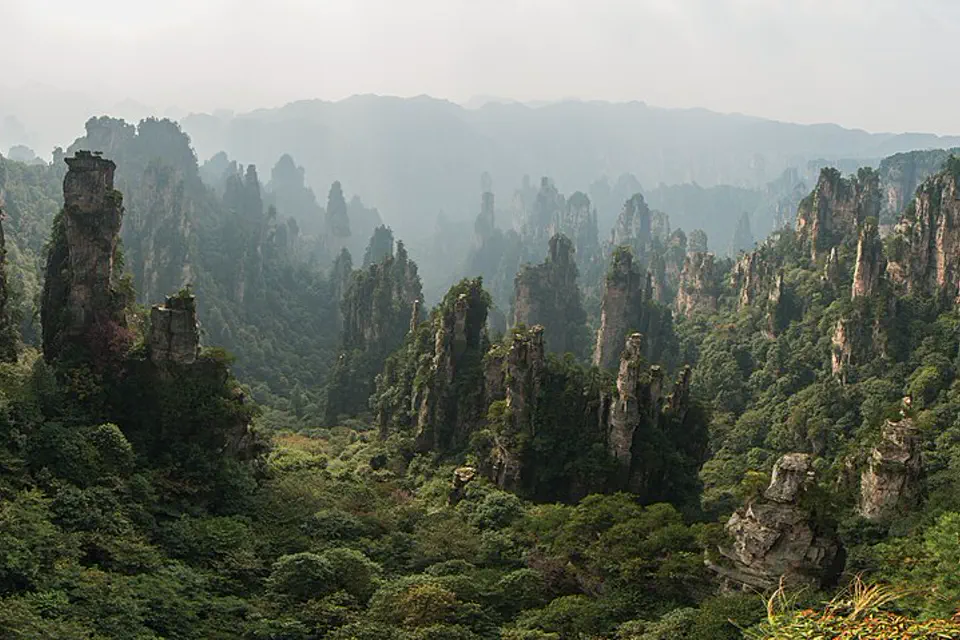
Zhangjiajie
Park gates, cableways, shuttle systems, fog and cliff exposure determine the itinerary more than the hotel label.
Open complete guide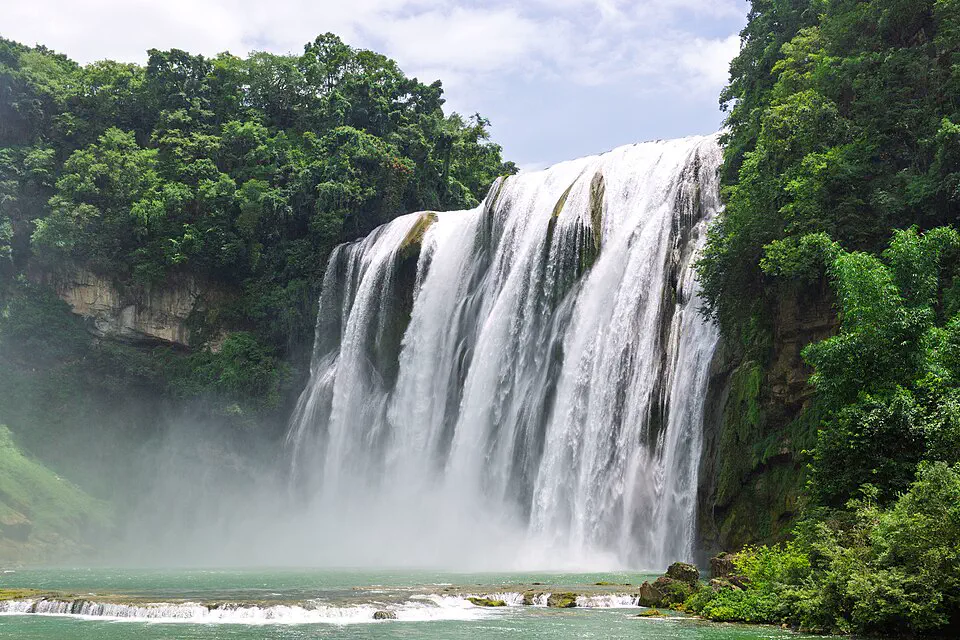
Guiyang & Guizhou
Use Guiyang as a transport base, then choose minority-culture, waterfall or karst routes with realistic road distance and consent.
Open complete guide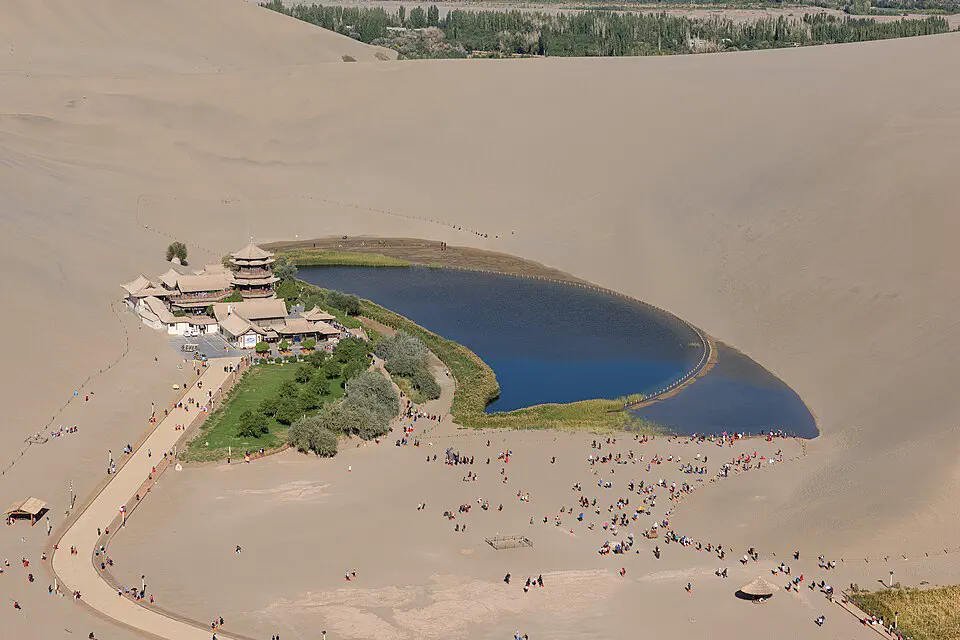
Dunhuang & Hexi Corridor
Mogao Cave reservations, desert climate and long rail distances make Dunhuang a protected chapter within a wider Gansu route.
Open complete guide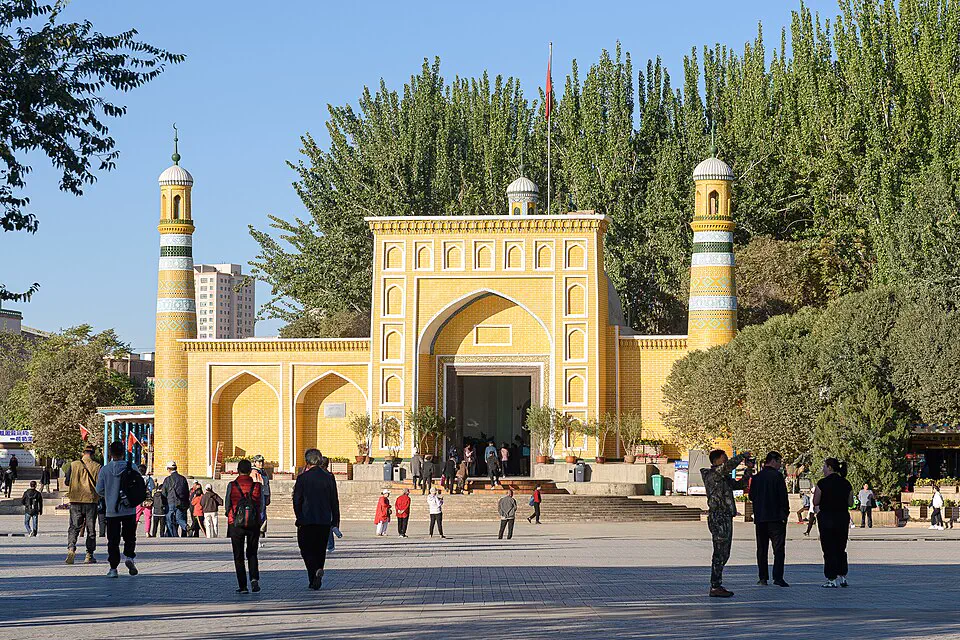
Urumqi, Turpan & Kashgar
Xinjiang is larger than many countries. Select one geographic corridor, verify open border areas and build in flight, rail and road buffers.
Open complete guide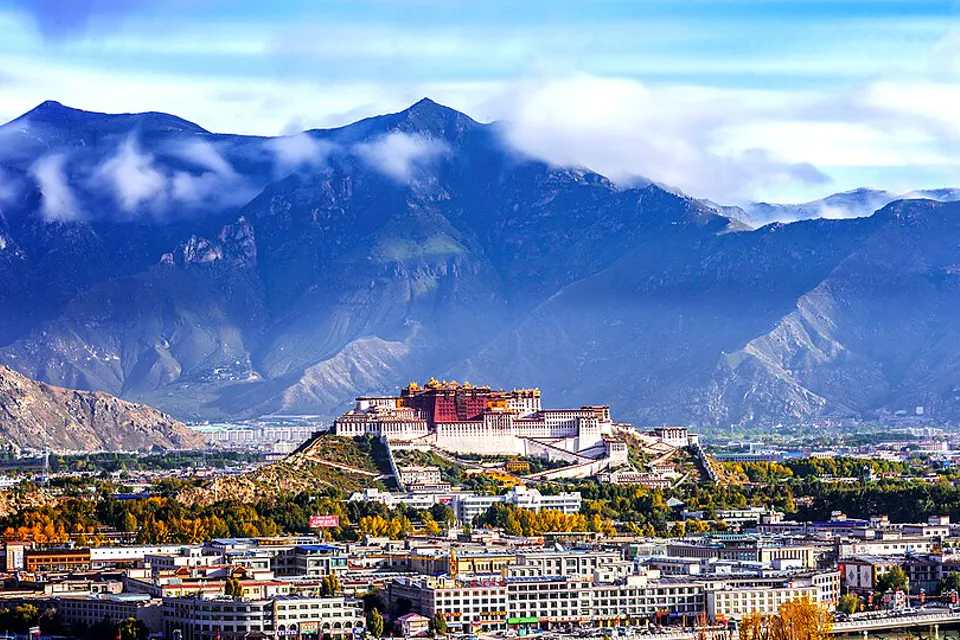
Lhasa & Tibetan Plateau
Foreign-visitor permits, approved arrangements and gradual altitude adaptation must be solved before scenic ambitions.
Open complete guideHong Kong and Macau need separate planning
They use separate immigration, currency and transport systems from the Chinese mainland. A rail or road connection is also a border crossing; verify entry eligibility and onward documents for every part of the route.
China planning FAQ
How many cities fit into a first trip?
One major city plus one strong regional contrast works well for a week to ten days. With roughly two weeks, two well-connected regions are usually more satisfying than a rapid national sampler.
Does 240-hour transit work like a general ten-day visa?
No. It is a transit mechanism with nationality, port, permitted-area and onward-route conditions. Check the current NIA policy and make sure the itinerary genuinely continues to a third country or region.
Can I use a passport on China Railway?
China Railway says eligible foreign passengers can buy real-name tickets with valid passports through official channels. Keep the original document and use identical details in the booking.
Should I rely only on mobile payment?
No. Prepare a mobile-wallet route, an international card and RMB cash. Acceptance, issuer verification, limits and individual transactions can differ.
Official sources and photo credits
Planning facts and licenses were reviewed on 28 August 2026. Entry eligibility, transit ports, payment support, rail procedures and local reservations change; verify with the linked authority close to travel. Images were resized and converted to WebP; visible framing may crop the display.
- National Immigration Administration - current visa-free transit policy.
- State Council - guide to working and living in China, including entry, payment, SIM and transport services.
- China Railway 12306 - official ticketing and passport guidance.
- Xinjiang Department of Culture and Tourism - official public travel services.
- Ministry of Commerce - official guide for foreign nationals, including restricted-area permit guidance.
- UNESCO World Heritage Centre - China property directory.
- Great Wall in July - Velatrix, CC0 1.0; resized and converted to WebP, display crop.
- Forbidden City corner tower at sunset - kallgan, CC BY-SA 3.0; resized and converted to WebP, display crop.
- Pudong Shanghai panorama - King of Hearts, CC BY-SA 4.0; resized and converted to WebP, display crop.
- West Lake and Hangzhou panorama — Bjoertvedt, CC BY-SA 4.0.
Destination card photo credits (28)
Each linked Wikimedia Commons image was resized, center-cropped where needed and converted to a 960 × 640 WebP card; no other material changes were made.
- Yungang Grottoes, Datong - Marcin Białek, CC BY-SA 4.0.
- Yingxun Gate, Pingyao - Bairuilong, CC BY-SA 4.0.
- Longmen Grottoes, Luoyang - xiquinhosilva, CC BY 2.0.
- Xi'an City Wall - xiquinhosilva, CC BY 2.0.
- Saint Sophia Cathedral, Harbin - Amarespeco, CC BY-SA 4.0.
- Hulun Buir grassland - Emmazzye, CC BY-SA 4.0.
- West Lake and Leifeng Pagoda, Hangzhou - Haluk Comertel, CC BY 3.0.
- Classical Gardens of Suzhou - Francesco Bandarin, CC BY-SA 3.0 IGO.
- Nanjing City Wall and Xuanwu Lake - Gary Todd, CC0 1.0.
- Huangshan in mist - eviltomthai, CC BY 2.0.
- Qingdao waterfront - Vitsuha, CC BY-SA 4.0.
- Pearl River and Canton Tower - Gzdavidwong, CC BY-SA 3.0.
- Shenzhen skyline from Futian - Huangdan2060, CC BY 3.0.
- Fujian tulou cluster - Scott Edmunds, CC BY 2.0.
- Sanya beach - Huangdan2060, CC0 1.0.
- Li River karst near Guilin and Yangshuo - chensiyuan, CC BY-SA 4.0.
- Aiwan Pavilion, Changsha - Junchong, CC BY-SA 4.0.
- Yellow Crane Tower grounds, Wuhan - xiquinhosilva, CC BY 2.0.
- Giant panda in Chengdu - George Lu, CC BY 2.0.
- Hongya Cave at night, Chongqing - Jonashtand, CC BY-SA 4.0.
- Kunming skyline - 瑞丽江的河水, CC BY-SA 4.0.
- Erhai Lake and Cangshan, Dali - Kcx36, CC BY-SA 4.0.
- Lijiang Old Town - chensiyuan, CC BY-SA 4.0.
- Wulingyuan sandstone pillars, Zhangjiajie - chensiyuan, CC BY-SA 4.0.
- Huangguoshu Waterfall, Guizhou - Kcx36, CC BY-SA 4.0.
- Crescent Lake, Dunhuang - N509FZ, CC BY-SA 4.0.
- Id Kah Mosque, Kashgar - N509FZ, CC BY-SA 4.0.
- Potala Palace, Lhasa - Lhasa Government, CC BY-SA 4.0.